
Course Lessons: 3
Minutes of Learning: 90
Cost: $85
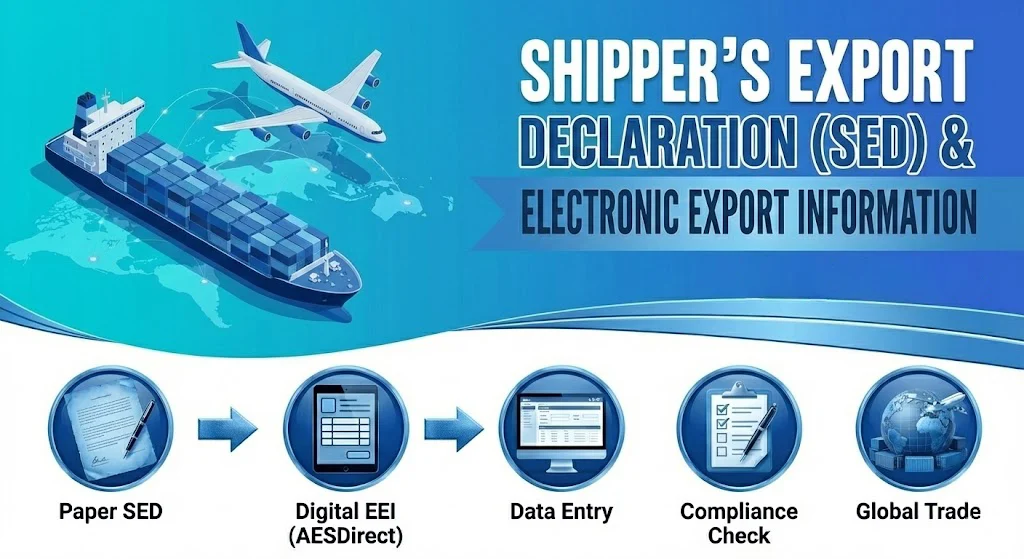
This course provides a comprehensive foundation for determining when Electronic Export Information (EEI) must be filed and how to meet all related U.S. export compliance obligations. Learners will understand the core criteria that trigger AES filing requirements, the shipment types that always require EEI, and the exemptions available for certain destinations, low-value goods, in-transit cargo, personal effects, and other specialized scenarios. The course also clarifies the correct use of AES Exemption and Exclusion Legends, including proper annotation on transport documents and the limitations on when exemptions may be applied. Finally, learners will explore how U.S. export authorization is determined using the Commerce Control List (CCL) and ECCNs, the responsibilities of the USPPI and foreign parties in routed export transactions, and the importance of accurate EEI, export authorization reporting, and confidentiality. Together, these lessons equip exporters and forwarding agents to identify filing requirements, apply exemptions correctly, and ensure full compliance with U.S. export regulations.
