

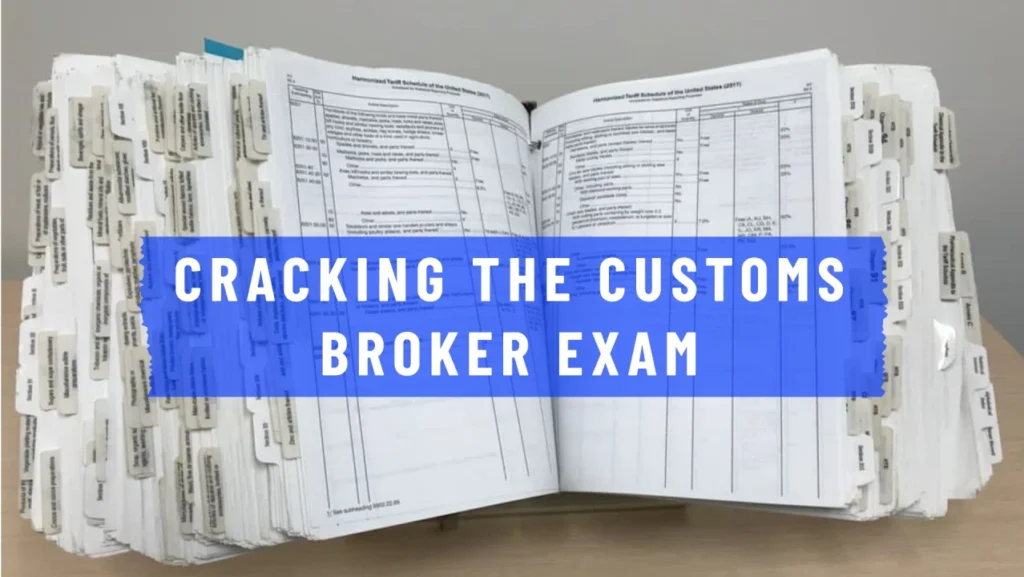
The customs broker exam is renowned for its difficulty, often considered one of the most challenging professional exams in the United States. This assessment serves as a critical gatekeeper for individuals seeking to become licensed customs brokers, allowing them to legally conduct customs business on behalf of others. The complexity and rigor of the exam reflect the intricate nature of customs regulations, international trade policies, and the responsibilities entrusted to customs brokers. To understand why the customs broker exam is so hard, we must explore several key factors:
1. Legal and Regulatory Complexity
Customs regulations are extensive and constantly evolving. Brokers must possess a deep understanding of these regulations to ensure compliance on behalf of their clients. The exam covers a wide array of topics, including tariff classification, valuation methods, country-of-origin rules, and trade agreements. Mastery of these subjects requires not only memorization but also a comprehensive understanding of how they apply in various real-world scenarios.
2. Volume of Material
The amount of material covered in the customs broker exam is daunting. Candidates must study numerous volumes of regulations, rulings, and guidelines issued by U.S. Customs and Border Protection (CBP) and other relevant agencies. This includes understanding not only the regulations themselves but also their interpretations and applications through CBP rulings and court decisions.
3. Case Studies and Practical Scenarios
The exam doesn’t just test theoretical knowledge; it also evaluates candidates’ ability to apply that knowledge to practical scenarios. Case studies presented in the exam require critical thinking and analytical skills to navigate complex customs issues and make informed decisions. This practical aspect adds another layer of difficulty beyond simple memorization.
4. High Failure Rate
The pass rates for the customs broker exam are notoriously low. Historically, only a fraction of candidates pass each exam cycle. This reflects both the difficulty of the material and the stringent grading standards applied to ensure that only those fully qualified to serve as customs brokers receive licensure.
5. Multidisciplinary Nature
Being a customs broker requires knowledge from various disciplines, including law, economics, logistics, and international trade. Candidates must integrate these diverse fields of knowledge to understand the broader implications of customs regulations and effectively advise clients on compliance issues.
6. Continual Evolution of Trade Practices
Global trade is dynamic, with changes occurring regularly due to shifts in political landscapes, international agreements, and economic conditions. The customs broker exam must therefore adapt to reflect these changes, ensuring that candidates are prepared to handle the latest challenges and developments in international trade.
7. Professional Responsibility
As licensed professionals, customs brokers bear significant responsibility. They act as intermediaries between importers/exporters and government authorities, ensuring that all customs procedures are correctly followed to facilitate the smooth flow of goods across borders. The exam rigorously assesses candidates’ understanding of these responsibilities and their ability to uphold them in practice.
Conclusion
In conclusion, the difficulty of the customs broker exam stems from its comprehensive coverage of complex regulations, its practical and case-based approach, its multidisciplinary nature, and the high standards required for professional responsibility. Successfully passing the exam demonstrates not only a deep understanding of customs laws and procedures but also the ability to apply that knowledge effectively in the fast-paced world of international trade. As such, while challenging, the customs broker exam serves a crucial role in ensuring that only highly qualified individuals are entrusted with the responsibilities of facilitating lawful and efficient trade operations.
The customs broker exam is renowned for its difficulty, often considered one of the most challenging professional exams in the United States. This assessment serves as a critical gatekeeper for individuals seeking to become licensed customs brokers, allowing them to legally conduct customs business on behalf of others. The complexity and rigor of the exam reflect the intricate nature of customs regulations, international trade policies, and the responsibilities entrusted to customs brokers. To understand why the customs broker exam is so hard, we must explore several key factors:
1. Legal and Regulatory Complexity
Customs regulations are extensive and constantly evolving. Brokers must possess a deep understanding of these regulations to ensure compliance on behalf of their clients. The exam covers a wide array of topics, including tariff classification, valuation methods, country-of-origin rules, and trade agreements. Mastery of these subjects requires not only memorization but also a comprehensive understanding of how they apply in various real-world scenarios.
2. Volume of Material
The amount of material covered in the customs broker exam is daunting. Candidates must study numerous volumes of regulations, rulings, and guidelines issued by U.S. Customs and Border Protection (CBP) and other relevant agencies. This includes understanding not only the regulations themselves but also their interpretations and applications through CBP rulings and court decisions.
3. Case Studies and Practical Scenarios
The exam doesn’t just test theoretical knowledge; it also evaluates candidates’ ability to apply that knowledge to practical scenarios. Case studies presented in the exam require critical thinking and analytical skills to navigate complex customs issues and make informed decisions. This practical aspect adds another layer of difficulty beyond simple memorization.
4. High Failure Rate
The pass rates for the customs broker exam are notoriously low. Historically, only a fraction of candidates pass each exam cycle. This reflects both the difficulty of the material and the stringent grading standards applied to ensure that only those fully qualified to serve as customs brokers receive licensure.
5. Multidisciplinary Nature
Being a customs broker requires knowledge from various disciplines, including law, economics, logistics, and international trade. Candidates must integrate these diverse fields of knowledge to understand the broader implications of customs regulations and effectively advise clients on compliance issues.
6. Continual Evolution of Trade Practices
Global trade is dynamic, with changes occurring regularly due to shifts in political landscapes, international agreements, and economic conditions. The customs broker exam must therefore adapt to reflect these changes, ensuring that candidates are prepared to handle the latest challenges and developments in international trade.
7. Professional Responsibility
As licensed professionals, customs brokers bear significant responsibility. They act as intermediaries between importers/exporters and government authorities, ensuring that all customs procedures are correctly followed to facilitate the smooth flow of goods across borders. The exam rigorously assesses candidates’ understanding of these responsibilities and their ability to uphold them in practice.
Conclusion
In conclusion, the difficulty of the customs broker exam stems from its comprehensive coverage of complex regulations, its practical and case-based approach, its multidisciplinary nature, and the high standards required for professional responsibility. Successfully passing the exam demonstrates not only a deep understanding of customs laws and procedures but also the ability to apply that knowledge effectively in the fast-paced world of international trade. As such, while challenging, the customs broker exam serves a crucial role in ensuring that only highly qualified individuals are entrusted with the responsibilities of facilitating lawful and efficient trade operations.

CEO @ FreightPath Inc. | CSCMP Corporate Member | We Deploy The Industry’s Most Comprehensive Global Supply Chain Curriculum | 500+ Course Library | gofreightpath.com/course-catalog

