Continuing Education in Global Logistics: A Powerful Catalyst for Career Growth

In today’s rapidly evolving global economy, supply chains are no longer static, behind-the-scenes functions. They are dynamic, technology-driven networks that influence everything from business profitability to national economies. As industries shift, regulations tighten, and technology advances, professionals working in logistics, freight forwarding, and supply chain management face an undeniable truth: standing still means falling behind.

That’s why continuing education has become an essential tool for anyone seeking to excel in the global logistics field. Whether you’re new to the industry or a seasoned professional aiming for leadership, investing in lifelong learning can help you remain relevant, unlock new opportunities, and stay competitive in a market that thrives on agility and expertise.

The Global Logistics Landscape Is Evolving

Global logistics has transformed dramatically over the last decade. E-commerce growth, automation, artificial intelligence, geopolitical challenges, and climate change have all placed unprecedented pressure on supply chains. Companies now expect logistics professionals not just to move goods but to optimize networks, manage risk, leverage data analytics, and navigate cultural, political, and regulatory complexities across multiple regions.

Employers seek talent with a high degree of adaptability, technical skills, and leadership qualities. Professionals who once relied on hands-on experience alone now find that certifications, advanced courses, and professional credentials are vital for advancing their careers. Continuing education bridges this gap, helping logistics workers gain confidence, credibility, and a clear path forward in a fast-moving industry.

Why Continuing Education Matters for Logistics Professionals

1. Enhanced Skills and Knowledge

Continuing education provides structured, up-to-date knowledge that keeps pace with industry innovation. Logistics professionals can gain expertise in:

•    International trade regulations and compliance

•    Emerging technologies like AI, IoT, and blockchain in supply chains

•    Customs clearance, freight forwarding, and global transportation strategies

•    Risk management and resilience planning

By mastering these complex areas, professionals can become indispensable to their employers and clients. In many cases, these skills are not only desirable but essential, especially for companies that operate on a global scale.

2. Increased Career Opportunities

The logistics field is vast and diverse, with opportunities spanning procurement, warehousing, shipping, consulting, and supply chain strategy. Employers often view continuing education as a mark of initiative and ambition, signaling that an employee is prepared to take on greater responsibility. Certifications and credentials act as a professional “stamp of approval,” distinguishing candidates in a competitive market.

The Council of Supply Chain Management Professionals (CSCMP), for example, offers industry-recognized certifications that demonstrate deep expertise and leadership readiness. Professionals holding CSCMP’s SCPro™ Certification are often prioritized for senior-level roles because the credential proves both applied knowledge and strategic thinking ability.

3. Greater Earning Potential

According to the U.S. Bureau of Labor Statistics, advanced education correlates with higher salaries and lower unemployment. In logistics, this is especially true: those who hold advanced credentials or specialized certifications frequently command higher wages because they bring immediate value to their organizations.

Employers understand that a well-trained workforce leads to smoother operations, fewer costly errors, and improved efficiency—making investment in skilled professionals a strategic decision.

4. Adaptability in a Shifting Industry

Supply chains are global by nature, and professionals must be prepared to navigate changing trade policies, shipping disruptions, and emerging technologies. Continuing education fosters adaptability by introducing new perspectives, best practices, and innovative strategies. Logistics professionals who embrace learning are better equipped to respond to crises, such as port closures or unexpected demand surges, and to leverage tools that make businesses more resilient.

CSCMP and FreightPath: Partners in Professional Growth

While continuing education is essential, finding the right programs is equally important. CSCMP and FreightPath are two industry leaders working together to provide the knowledge, tools, and resources that logistics professionals need to thrive.

CSCMP: A Global Standard of Excellence

For over six decades, the Council of Supply Chain Management Professionals (CSCMP) has set the bar for logistics education and leadership development. With a mission to connect, educate, and develop supply chain professionals around the world, CSCMP offers programs that are designed to elevate careers at every stage.

CSCMP’s SCPro™ Certification Program is widely regarded as one of the most comprehensive and respected certifications in the industry. It emphasizes real-world problem-solving, requiring participants to demonstrate their ability to apply supply chain principles to complex challenges. This hands-on approach equips professionals with practical skills that are immediately applicable in their roles.

Additionally, CSCMP provides access to global networking opportunities, industry research, and conferences, allowing professionals to stay ahead of trends and build valuable connections.

FreightPath: A Complete Learning Ecosystem for Logistics

FreightPath, a pioneering education company in supply chain and freight forwarding, offers one of the largest collections of logistics courses in the world—over 500 modular courses totaling 2,300+ hours of content. These courses are accredited by CSCMP and U.S. Customs & Border Protection, ensuring that students gain credible, industry-recognized knowledge.

FreightPath’s courses cover every aspect of logistics, from freight forwarding fundamentals to advanced trade compliance, global sourcing strategies, and cutting-edge technologies shaping the industry. Because of the modular structure, learners can choose courses based on specific roles, whether they are customs brokers, supply chain analysts, or executives looking to sharpen their strategic perspective.

One of FreightPath’s greatest strengths is accessibility. Courses are available online, making it possible for professionals worldwide to learn on their own schedules. The platform is designed to support learners at every stage of their careers, providing both foundational training for newcomers and advanced expertise for seasoned leaders.

A Pathway to Career Confidence and Leadership

Beyond technical knowledge, continuing education builds confidence and leadership skills. FreightPath’s curriculum, paired with CSCMP’s certifications, empowers professionals to not only understand their work but also lead teams, negotiate effectively, and make data-driven decisions.

Employers are increasingly looking for employees who demonstrate initiative, a global mindset, and the ability to anticipate trends. With credentials from trusted names like CSCMP and FreightPath, logistics professionals can confidently position themselves as leaders in a field that plays a critical role in shaping the global economy.

The Personal and Professional Benefits of Lifelong Learning

The benefits of continuing education in logistics extend far beyond career advancement. Professionals who embrace learning often experience:

•    Personal Fulfillment: There’s a deep satisfaction that comes from mastering new skills and seeing tangible results in your work.

•    Expanded Networks: Many courses, certifications, and conferences create opportunities to meet peers from across industries, fostering connections that lead to mentorships and collaborations.

•    Job Security: In an industry marked by rapid change, those with advanced skills and certifications are more likely to retain their positions and be considered for internal promotions.

•    Global Perspective: Exposure to international case studies and best practices helps professionals think beyond their local markets, a skill highly valued in multinational organizations.

Investing in Your Future

The global logistics industry is at the heart of the modern economy, and professionals who continually invest in their education position themselves to thrive no matter how the market evolves. Whether your goal is to step into a management role, transition into a specialized area, or simply gain a deeper understanding of your field, continuing education is the key to unlocking your potential.

Programs offered by CSCMP and FreightPath provide a clear roadmap to success. With high-quality courses, recognized certifications, and global networking opportunities, these organizations equip professionals to not just keep pace with the industry but to lead it.

In logistics, where every decision affects global trade, customer satisfaction, and company performance, education isn’t just a competitive advantage—it’s a necessity. Take the next step, invest in your growth, and watch your career soar in one of the world’s most dynamic industries.


Select FreightPath Courses Now Accredited through CBP

FreightPath now offers an impressive suite of 20+ U.S. Customs‑accredited courses tailored for licensed customs brokers seeking continuing education (CE) credits. These compelling e‑learning modules count directly toward brokers’ annual CBP requirements, helping them maintain their licences with ease.

Under CBP’s current Continuing Education rule, brokers must complete 36 credit hours across each three-year cycle; for the current 2024–2027 period, the required minimum is 20 credits earned by January 31, 2027. FreightPath’s offerings are accredited through CBP‑approved educational bodies, meaning brokers can confidently take these courses knowing they will satisfy the regulatory obligation.

Topics range from customs broker operations (covering cargo release, bond management, importer‑broker relationships, and ABI entry systems) to broader logistics topics such as Ocean Freight, Air Freight, Import/Export requirements, and Cargo Risk Management. Each course combines interactive lessons, practical case studies, and knowledge checks to reinforce the material.

By integrating these accredited courses into their professional development plans, customs brokers streamline the CE process, logging essential credits through trusted, flexible online learning that fits around their schedules. Plus, with record‑keeping simplified and compliance assured, brokers can focus on skill-building that enhances both their expertise and their client service.

Ultimately, FreightPath’s accredited curriculum transforms regulatory obligation into a smart, practical opportunity—empowering brokers to earn required CE credits efficiently, stay current with evolving CBP rules, and continue delivering top-tier customs services.

FreightPath Launches Storefront

FreightPath has launched its brand-new online storefront, making it easier than ever for professionals to purchase industry-recognized supply chain and logistics courses directly. This user-friendly platform offers immediate access to a growing catalog of self-paced, online courses designed for freight brokers, customs professionals, and supply chain specialists.

Learners can now browse, select, and enroll in courses with just a few clicks—no third-party enrollment required. Upon successful completion, each participant receives a digital certificate, providing tangible proof of their achievement that can be shared with employers or added to professional profiles.

What sets the FreightPath storefront apart is the credibility and accreditation behind its offerings. Many courses are recognized by the Council of Supply Chain Management Professionals (CSCMP), a leading global authority in logistics education. Additionally, select modules are U.S. Customs-accredited, meaning licensed customs brokers can earn continuing education (CE) credits required by CBP regulations.

Whether you’re building a career in freight brokerage, aiming to meet regulatory requirements, or expanding your logistics knowledge, the new FreightPath storefront provides a direct, streamlined path to high-quality training. It’s professional education designed for real-world application—available on demand, on your schedule. Visit the storefront today and take the next step in your logistics career.

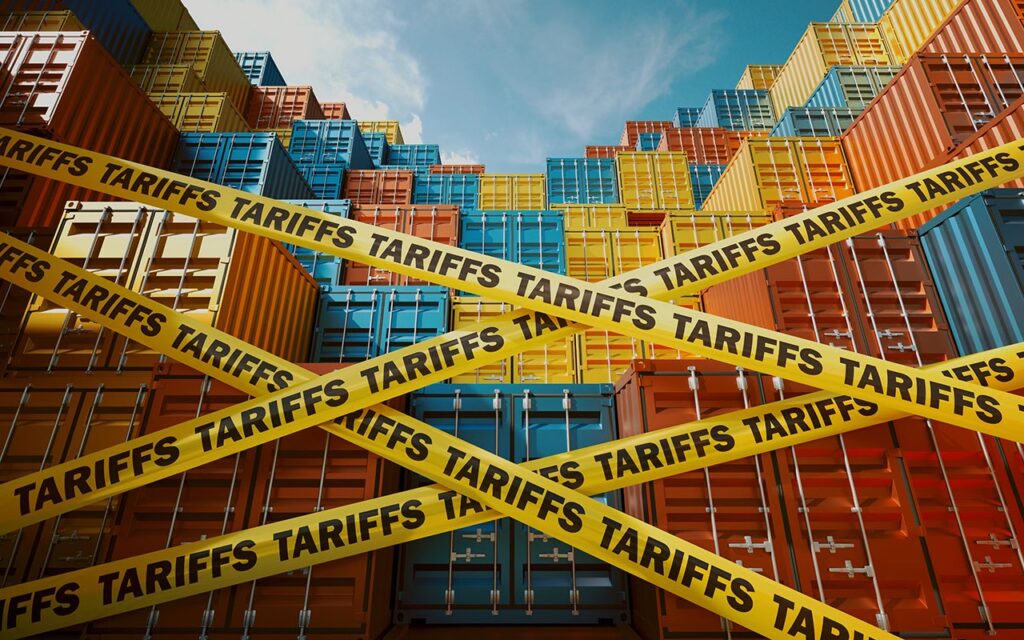
Tariffs: The Upside

When you hear the word tariffs, what comes to mind? If you’re like most people, you probably think of trade wars, higher prices at the store, or tense negotiations between countries. And that’s fair—tariffs have earned a bit of a bad rep over the years. But here’s the thing: while tariffs can be controversial, they’re not all doom and gloom. In fact, under the right conditions, they can be a pretty powerful tool for economic growth, national security, and long-term prosperity.

So, let’s break it down. What are tariffs, really? Why do countries use them? And more importantly, what are the upsides? Buckle up—we’re about to dive into a side of tariffs that doesn’t get nearly enough airtime.

What Exactly Are Tariffs?

At their core, tariffs are taxes imposed by a government on goods imported from other countries. Think of them as a kind of “entry fee” for foreign products crossing a border. For example, if the U.S. puts a 25% tariff on imported steel, that means foreign steel companies have to pay a 25% tax to sell their steel in the U.S.

The immediate result? Those foreign goods become more expensive. And that’s kind of the point—tariffs are meant to give a leg up to domestic producers by making their foreign competition a little pricier.

But like most things in economics, it’s not that simple. There are ripple effects, countermeasures, and a whole lot of debate. Still, it’s worth exploring the reasons why governments might actually want to use tariffs—and how, in some cases, they can really pay off.

1. Protecting Infant Industries

Let’s start with a classic argument for tariffs: protecting “infant industries.”

Imagine a country trying to develop a local solar panel industry. Local manufacturers are just getting started—they’re hiring workers, investing in factories, building supply chains. But there’s a problem: they can’t compete with cheaper, more established foreign companies that have been making solar panels for decades.

Without some kind of protection, the local industry could collapse before it even has a chance to grow. That’s where tariffs come in. By taxing foreign solar panels, the government makes them more expensive, giving the local companies a fighting chance.

This approach isn’t just theoretical—it’s been used throughout history. The United States, Germany, South Korea, and even China have all used tariffs to nurture homegrown industries before exposing them to full-blown global competition.

Tariffs give breathing room. And when used strategically, they can create the foundation for a thriving domestic industry that later competes globally on its own merits.

2. Boosting National Security

Let’s be real—there are some industries you just don’t want to outsource, no matter how cheap the foreign version is. We’re talking about defense, energy, food production, critical technology—stuff you absolutely need to function as a sovereign nation.

Tariffs can help ensure that these essential industries don’t get hollowed out by cheaper foreign competition. Take steel and aluminum, for example. These are materials used in everything from military vehicles to infrastructure. If a country loses its ability to produce them domestically, it becomes vulnerable in times of crisis.

That’s one reason you’ll often see national security cited as a reason for tariffs. It’s not just about economics—it’s about making sure a nation can stand on its own two feet if global trade gets disrupted.

3. Creating Jobs at Home

Here’s another benefit that gets a lot of attention: tariffs can help keep jobs from being shipped overseas.

Let’s say a U.S.-based textile factory is struggling because it’s cheaper to make clothes in Bangladesh or Vietnam. If the government imposes tariffs on imported clothing, suddenly the playing field shifts. Domestic factories become more competitive, and companies might choose to keep their operations in the U.S. instead of moving them abroad.

That means more jobs at home—and not just in the factories themselves. You get a ripple effect: more work for suppliers, more demand for local services, more money circulating in the local economy.

Now, it’s true that tariffs can raise prices on some goods. But for communities that have seen jobs disappear over the years, the stability and dignity of work can outweigh the added cost at the checkout counter.

4. Encouraging Domestic Investment

Tariffs can also encourage businesses to invest more in domestic production. If companies know they’ll be protected from cutthroat foreign competition, they’re more likely to build factories, expand operations, and train workers at home.

That investment pays off in the long run. Not only do you get more robust supply chains, but you also build expertise and innovation that keep your industries competitive on a global scale.

For example, when the U.S. imposed tariffs on imported solar panels in 2018, it spurred new investments in domestic solar manufacturing. Companies that were once hesitant to build in the U.S. suddenly had a reason to do so—and that meant more jobs, more innovation, and more energy security.

5. Balancing the Trade Playing Field

Not every country plays by the same rules when it comes to trade. Some governments heavily subsidize their industries, manipulate their currencies, or impose hidden barriers to protect their markets while enjoying open access to others.

Tariffs can be a way to push back. They send a message: if you want fair access to our market, you’ve got to play fair too.

In that sense, tariffs can be a tool of negotiation. Countries sometimes use them as leverage to get better trade deals, force reforms, or even protect intellectual property.

The goal isn’t always to keep tariffs forever—it’s to use them as a bargaining chip to fix imbalances that harm domestic industries.

6. Building Resilient Supply Chains

We all learned a tough lesson during the COVID-19 pandemic: when global supply chains break down, things get ugly fast.

Countries realized that relying too heavily on other nations—especially for essential goods like medicine, semiconductors, or PPE—was risky business.

Tariffs can help bring some of that production back home, or at least encourage companies to diversify where they get their stuff. That makes the whole system more resilient. It’s not about isolationism—it’s about being smart and prepared.

7. Supporting Green Transitions

Here’s a newer twist: tariffs can support environmental goals.

Say a country wants to move toward clean energy. If cheap, polluting products flood the market from countries with weak environmental standards, it becomes harder for cleaner, greener alternatives to compete.

Enter carbon tariffs—taxes on imported goods based on their carbon footprint. They level the playing field and reward companies that invest in sustainability.

The European Union has already started down this path with its Carbon Border Adjustment Mechanism, and other countries are considering similar moves. Tariffs like these could help accelerate the shift to cleaner production—without letting foreign polluters undercut progress.

8. Preserving Cultural and Strategic Industries

Sometimes, it’s not about economics—it’s about values.

Countries may want to protect industries that are central to their culture, heritage, or way of life. That could be family farming, traditional crafts, or even media and entertainment.

Tariffs can offer a buffer against cultural erosion in a globalized world. They give space for unique identities to survive and thrive, even when global megacorporations dominate the landscape.

It’s Not All Roses: A Quick Reality Check

Okay, before we get too carried away—it’s important to acknowledge that tariffs aren’t a magic solution. They can lead to trade disputes, retaliatory tariffs, and higher prices for consumers. They can strain diplomatic relationships and create inefficiencies in the economy.

In other words: tariffs are a double-edged sword.

The key is using them strategically, not reflexively. They should be part of a broader economic vision—not a knee-jerk reaction to every trade imbalance or political pressure.

So, When Do Tariffs Work?

Tariffs tend to be most effective when they are:

•    Targeted: Focused on specific industries, not sweeping across the board.

•    Time-limited: Used as a temporary boost, not a permanent crutch.

•    Transparent: Backed by clear goals and honest communication with the public.

•    Complemented: Paired with investments in innovation, education, and infrastructure.

When used wisely, tariffs can strengthen economies, protect communities, and support national goals. They’re not about isolation—they’re about smart, strategic engagement with the global economy.

The Bottom Line

Tariffs have a reputation problem—and maybe some of that’s deserved. But they also have an upside that’s worth paying attention to. In a world of shifting power dynamics, climate change, and economic uncertainty, tariffs can be a tool for resilience, fairness, and growth.

They’re not a cure-all, but they’re not a villain either. Sometimes, they’re just what a country needs to level the playing field, invest in itself, and protect its future.

So the next time you hear about tariffs in the news, remember: there’s more to the story than just sticker shock. Sometimes, a little protection goes a long way.


John Delgado

Exploring the Role of Intrapreneurs: Innovation Drivers Within Organizations

In today’s rapidly evolving business landscape, the concept of intrapreneurship has emerged as a critical driver of innovation and growth within organizations. An intrapreneur, often described as an entrepreneur within a larger corporation, plays a pivotal role in identifying new opportunities, developing innovative solutions, and driving change from within. This article explores what it means to be an intrapreneur, their characteristics, roles, importance to organizations, challenges they face, and real-world examples of successful intrapreneurial initiatives.

Understanding Intrapreneurship

Intrapreneurship can be defined as the act of behaving like an entrepreneur while working within a large organization. Unlike traditional employees who may adhere strictly to established processes and procedures, intrapreneurs are proactive, innovative, and driven to create value by taking calculated risks and pursuing new ideas. They embody an entrepreneurial mindset, often displaying traits such as creativity, resilience, and a willingness to challenge the status quo.

Characteristics of Intrapreneurs

1. Creativity and Innovation

Intrapreneurs are known for their ability to think creatively and generate innovative ideas that address challenges or capitalize on opportunities within their organization. They thrive in environments that encourage experimentation and reward novel solutions.

2. Risk-Taking and Initiative

Unlike conventional employees, intrapreneurs are willing to take calculated risks to achieve strategic objectives or introduce disruptive innovations. They demonstrate initiative by proactively seeking out opportunities for improvement and growth.

3. Visionary Leadership

Intrapreneurs often exhibit visionary leadership qualities, inspiring and mobilizing teams to rally behind ambitious goals or transformative projects. They are adept at communicating their vision and gaining buy-in from stakeholders across different organizational levels.

4. Resilience and Adaptability

Navigating corporate bureaucracy and overcoming organizational challenges require resilience and adaptability. Intrapreneurs persevere in the face of setbacks, learn from failures, and adapt their strategies to achieve long-term success.

5. Passion for Impact

Driven by a passion for making a meaningful impact, intrapreneurs are motivated by more than just financial rewards. They are committed to creating positive change within their organization, improving processes, and delivering value to customers and stakeholders.

Roles and Responsibilities of Intrapreneurs

1. Identifying Opportunities

Intrapreneurs actively scan the business environment for emerging trends, market gaps, or inefficiencies that present opportunities for innovation and growth. They leverage insights and data analytics to identify strategic opportunities aligned with organizational goals.

2. Developing and Implementing Innovations

Once an opportunity is identified, intrapreneurs develop innovative solutions or initiatives to address the identified need or challenge. They collaborate with cross-functional teams, conduct feasibility studies, and pilot test new ideas before scaling successful innovations.

3. Driving Change and Transformation

Intrapreneurs play a pivotal role in driving organizational change and transformation initiatives. They champion new technologies, processes, or business models that disrupt industry norms and position their organization for future success.

4. Influencing Culture and Mindset

By embodying an entrepreneurial mindset, intrapreneurs influence organizational culture and mindset. They inspire colleagues to embrace innovation, take calculated risks, and adopt a continuous improvement mindset that fosters agility and resilience.

5. Measuring Impact and ROI

Intrapreneurs are accountable for measuring the impact of their initiatives on key performance metrics such as revenue growth, cost savings, customer satisfaction, and market share. They analyze data, gather feedback, and iterate on their strategies to optimize outcomes and demonstrate return on investment (ROI).

Importance of Intrapreneurs to Organizations

1. Driving Innovation and Competitive Advantage

Intrapreneurs inject fresh perspectives and innovative solutions into organizations, driving continuous innovation and maintaining competitive advantage in rapidly changing markets. Their ability to identify and capitalize on opportunities for growth fuels organizational success and sustainability.

2. Catalyzing Organizational Growth

Intrapreneurs play a pivotal role in catalyzing organizational growth by introducing new products, services, or business models that expand market reach and diversify revenue streams. Their initiatives contribute to business expansion and market diversification strategies.

3. Enhancing Employee Engagement and Retention

Organizations that cultivate an intrapreneurial culture attract and retain top talent who are motivated by opportunities to innovate, grow professionally, and make a significant impact. Intrapreneurial initiatives empower employees to take ownership of their work and contribute to organizational success.

4. Staying Ahead of Market Disruption

Intrapreneurs are proactive in anticipating market trends, disruptive technologies, and competitive threats. By fostering a culture of innovation and agility, organizations can adapt quickly to changing market dynamics and position themselves as industry leaders.

5. Building Resilience and Adaptability

Intrapreneurial initiatives build organizational resilience and adaptability by encouraging experimentation, learning from failures, and embracing change. Intrapreneurs help organizations navigate uncertainty and capitalize on emerging opportunities in a rapidly evolving business environment.

Challenges Faced by Intrapreneurs

1. Navigating Corporate Bureaucracy

Intrapreneurs often encounter resistance to change and bureaucratic hurdles that can impede progress and innovation. Overcoming internal barriers requires perseverance, strategic alignment with organizational priorities, and effective stakeholder management.

2. Securing Resources and Support

Securing adequate resources, funding, and executive sponsorship is crucial for intrapreneurial initiatives to succeed. Intrapreneurs must effectively communicate the value proposition of their ideas and garner support from key stakeholders to secure buy-in and resources.

3. Balancing Risk and Reward

Taking calculated risks is inherent to intrapreneurship, but balancing risk with potential rewards requires careful consideration and risk management strategies. Intrapreneurs must assess the financial, operational, and reputational implications of their initiatives to minimize downside risks.

4. Maintaining Momentum and Innovation

Sustaining momentum and innovation over the long term requires continuous engagement, stakeholder alignment, and adaptation to evolving market conditions. Intrapreneurs must stay abreast of industry trends, customer preferences, and technological advancements to remain competitive.

5. Overcoming Resistance to Change

Resistance to change from colleagues, departments, or organizational silos can pose challenges to intrapreneurial initiatives. Building coalitions, fostering cross-functional collaboration, and demonstrating the tangible benefits of innovation are essential for overcoming resistance and driving organizational change.

Real-World Examples of Successful Intrapreneurial Initiatives

1. 3M Post-it Notes

In the 1970s, 3M employee Arthur Fry used adhesive developed by colleague Spencer Silver to create the iconic Post-it Note. Fry’s initiative to transform a modest invention into a globally recognized product demonstrates the power of intrapreneurship in driving innovation within established organizations.

2. Google’s Gmail

Google’s Gmail was developed by a small team of engineers as an intrapreneurial project to reinvent email with enhanced storage, search capabilities, and user interface. Gmail’s success illustrates how intrapreneurs within large tech companies can innovate and disrupt traditional markets.

Conclusion

Intrapreneurs play a vital role in driving innovation, growth, and organizational resilience within large corporations. By fostering an entrepreneurial mindset, embracing creativity, and championing transformative initiatives, intrapreneurs create value, inspire colleagues, and position their organizations for long-term success. Organizations that cultivate a culture supportive of intrapreneurship benefit from enhanced innovation, competitive advantage, and employee engagement. Embracing and empowering intrapreneurs is essential for organizations seeking to thrive and innovate in an era of rapid technological advancement and market disruption.


John Delgado

Mastering Productivity: A Guide to Being More Effective While Working from Home

In recent years, the concept of remote work has gained significant traction, with more individuals and organizations embracing the flexibility and advantages it offers. The ability to work from home provides opportunities for autonomy, improved work-life balance, and increased productivity. However, it also presents unique challenges that can impact one’s effectiveness and performance.

Today, my goal is to equip you with practical strategies, tips, and best practices to maximize your productivity and effectiveness while working from home. Whether you’re new to remote work or looking to enhance your current setup, this article will cover everything from setting up a conducive workspace to managing distractions and maintaining work-life boundaries.

Section 1: Setting Up Your Workspace

1. Designating a Dedicated Workspace

Establishing a dedicated workspace is crucial for creating a productive environment. Choose a quiet area in your home where you can focus without interruptions. Ideally, this space should be separate from areas associated with relaxation or leisure activities.

2. Ergonomic Considerations

Invest in ergonomic furniture and equipment to support your physical well-being. Ensure your desk and chair are comfortable and promote good posture. Adjust your computer monitor to eye level to prevent strain on your neck and eyes.

3. Organizing Your Workspace

Keep your workspace organized and clutter-free to minimize distractions and enhance productivity. Use storage solutions such as shelves, drawers, or bins to maintain a tidy environment. Keep essential tools and supplies within reach to avoid unnecessary interruptions.

4. Personalizing Your Environment

Personalize your workspace with inspiring decor, plants, or motivational quotes that boost your mood and creativity. Create a space that reflects your personality and inspires you to stay focused and productive throughout the day.

Section 2: Establishing a Routine

1. Setting Clear Work Hours

Establish a consistent work schedule that aligns with your peak productivity hours and organizational expectations. Communicate your availability to colleagues and clients to maintain effective communication and collaboration.

2. Creating a Morning Routine

Start your day with a morning routine that prepares you mentally and physically for work. This may include exercise, meditation, journaling, or enjoying a nutritious breakfast to enhance your energy levels and focus.

3. Prioritizing Tasks

Create a daily or weekly to-do list to prioritize tasks and manage your workload effectively. Identify high-priority tasks that align with your goals and deadlines. Break down larger projects into smaller, manageable tasks to maintain momentum and track progress.

4. Implementing Time Management Techniques

Utilize time management techniques such as the Pomodoro Technique, time blocking, or task batching to maximize productivity and minimize distractions. Allocate focused work intervals followed by short breaks to maintain concentration and avoid burnout.

Section 3: Maintaining Focus and Productivity

1. Minimizing Distractions

Identify potential distractions in your environment and take proactive steps to minimize their impact. Use noise-canceling headphones, set boundaries with family members or roommates, and turn off non-essential notifications during work hours.

2. Implementing Digital Discipline

Manage digital distractions by organizing your digital workspace and limiting time spent on non-work-related websites or social media. Use productivity tools or browser extensions to block distracting websites or schedule focused work sessions.

3. Staying Connected and Engaged

Maintain regular communication with your team and colleagues through virtual meetings, instant messaging platforms, or email. Stay informed about project updates, deadlines, and organizational goals to foster collaboration and accountability.

4. Taking Breaks and Practicing Self-Care

Prioritize breaks throughout the day to recharge and prevent mental fatigue. Engage in activities that promote relaxation and stress management, such as stretching, walking, or practicing mindfulness. Incorporate regular exercise and healthy eating habits to support overall well-being.

Section 4: Enhancing Communication and Collaboration

1. Effective Virtual Meetings

Prepare for virtual meetings by reviewing agendas, gathering necessary materials, and testing technology in advance. Actively participate in discussions, ask clarifying questions, and contribute ideas to demonstrate engagement and teamwork.

2. Utilizing Collaboration Tools

Explore collaboration tools and software platforms that facilitate remote work, such as project management systems, shared documents, and video conferencing tools. Leverage these tools to streamline communication, track progress, and coordinate tasks with colleagues.

3. Building Virtual Relationships

Foster meaningful connections with colleagues through virtual coffee breaks, team-building activities, or informal check-ins. Maintain professional relationships by actively listening, offering support, and celebrating team achievements remotely.

4. Seeking Feedback and Continuous Improvement

Request feedback from supervisors, peers, or clients to assess your performance and identify areas for growth. Implement constructive feedback to refine your skills, enhance productivity, and contribute to organizational success.

Section 5: Maintaining Work-Life Balance

1. Establishing Boundaries

Set clear boundaries between work and personal life to maintain balance and prevent burnout. Define specific work hours and designate time for personal activities, hobbies, and relaxation to recharge and unwind.

2. Creating a Shutdown Ritual

Develop a shutdown ritual at the end of each workday to signal the transition from work mode to personal time. This may involve reviewing your accomplishments, organizing tasks for the next day, and mentally disengaging from work-related concerns.

3. Disconnecting from Work

Practice digital detoxes or screen-free activities during non-work hours to promote mental clarity and relaxation. Avoid checking work emails or messages outside of designated work hours to preserve personal time and well-being.

4. Seeking Support

Reach out to colleagues, mentors, or support networks for guidance, encouragement, and advice on managing remote work challenges. Share experiences, strategies, and resources to promote mutual support and professional development.

Section 6: Overcoming Challenges and Adapting to Change

1. Managing Remote Work Challenges

Acknowledge and address common remote work challenges, such as isolation, communication barriers, or technology issues. Seek solutions collaboratively with colleagues and supervisors to enhance team cohesion and effectiveness.

2. Adapting to Changing Work Environments

Stay adaptable and resilient in response to changing work environments, organizational priorities, or industry trends. Embrace continuous learning, upskill in relevant technologies, and explore new opportunities for professional growth and development.

3. Celebrating Milestones and Achievements

Recognize and celebrate milestones, achievements, and successes to boost morale and motivation. Acknowledge individual and team accomplishments through virtual recognition ceremonies, awards, or appreciation messages to foster a positive work culture.

Section 7: Real-World Applications and Success Stories

1. Case Study: Remote Work Transformation

Explore a case study of an organization that successfully transitioned to remote work, implementing strategies for effective communication, collaboration, and productivity. Learn from their experiences, challenges, and best practices to apply insights to your remote work journey.

2. Personal Success Story: Embracing Remote Work

Discover personal success stories of individuals who thrived in remote work environments, sharing their strategies for productivity, work-life balance, and professional growth. Gain inspiration and practical tips from their experiences to enhance your own remote work effectiveness.

Conclusion

Mastering productivity while working from home requires intentionality, discipline, and adaptability to thrive in a remote work environment. By creating a conducive workspace, establishing a routine, managing distractions, and prioritizing self-care, you can enhance your effectiveness and achieve professional success from the comfort of your home. Embrace continuous learning, seek opportunities for growth, and leverage technology to collaborate effectively with colleagues and contribute to organizational goals. With proactive strategies and a positive mindset, you can navigate the challenges of remote work and maximize your productivity, creativity, and overall well-being.


John Delgado

Understanding the New Department of Labor 2024 Overtime Rules

In 2024, the Department of Labor (DOL) introduced significant changes to overtime rules in the United States, marking a pivotal shift in how overtime pay is determined and applied across various industries. These new regulations aim to enhance worker protections, address wage disparities, and ensure fair compensation practices. Let’s checkout the details, implications, and impact of the new Department of Labor 2024 overtime rules, providing insights into what employers and employees need to know.

Introduction to Overtime Regulations

Overtime regulations in the United States are governed by the Fair Labor Standards Act (FLSA), which establishes minimum wage, overtime pay eligibility, and child labor standards. The FLSA requires covered employers to pay non-exempt employees overtime pay at a rate of at least one and a half times their regular rate of pay for hours worked over 40 in a workweek.

Evolution of Overtime Rules

Over the years, overtime rules have evolved to adapt to changing economic conditions, workforce demographics, and legislative amendments. The criteria for determining overtime eligibility have been periodically updated to reflect inflation adjustments and ensure that workers are fairly compensated for their time and labor.

Overview of the Department of Labor 2024 Overtime Rules

1. Key Changes and Updates

The Department of Labor’s 2024 overtime rules introduce several key changes aimed at expanding overtime eligibility and enhancing wage protections for workers. These changes include:

  • Salary Threshold Increase: One of the most significant updates is the increase in the salary threshold for overtime eligibility. Previously, employees earning below a certain salary threshold were automatically eligible for overtime pay. The new rules raise this threshold to ensure more workers qualify for overtime compensation.
  • Adjustments for Inflation: The salary threshold will be adjusted periodically to account for inflation and economic changes, ensuring that it remains aligned with current economic conditions and wage trends.
  • Clarification of Exempt vs. Non-Exempt Status: The rules provide clearer guidelines on classifying employees as exempt or non-exempt from overtime pay requirements based on their job duties, responsibilities, and salary levels.
  • Expansion of Coverage: Certain job categories and industries that were previously exempt from overtime regulations may now be subject to overtime pay requirements under the revised rules.

2. Implications for Employers

Employers must assess the impact of the new overtime rules on their workforce and payroll practices. Key considerations for employers include:

  • Reviewing Employee Classifications: Employers should review and update employee classifications to ensure compliance with the revised overtime rules. This may involve reclassifying employees as non-exempt if they no longer meet the criteria for exempt status under the new salary threshold.
  • Adjusting Compensation Policies: Employers may need to adjust compensation policies, salary structures, and payroll systems to accommodate changes in overtime eligibility and ensure accurate calculation of overtime pay.
  • Budgetary Considerations: Budget planning should account for potential increases in labor costs associated with expanded overtime eligibility and compliance with the new rules.

3. Impact on Employees

The Department of Labor’s 2024 overtime rules are designed to benefit workers by providing greater access to overtime pay and enhancing wage protections. Key impacts on employees include:

  • Increased Overtime Eligibility: More employees may qualify for overtime pay under the revised salary threshold, providing additional compensation for hours worked beyond the standard 40-hour workweek.
  • Improved Wage Fairness: The rules aim to reduce wage disparities and ensure that workers are fairly compensated for their time and labor, particularly in industries where overtime work is common.
  • Career Advancement Opportunities: Overtime pay can provide employees with additional income and incentives, potentially leading to improved job satisfaction, financial stability, and career advancement opportunities.

Implementation and Compliance

1. Timeline for Implementation

The Department of Labor’s 2024 overtime rules will be phased in over a specified timeline to allow employers time to adjust and comply with the new requirements. Employers should stay informed about deadlines for implementation and ensure timely adoption of revised payroll practices and policies.

2. Compliance Strategies

To comply with the new overtime rules, employers can implement the following strategies:

  • Conducting Audits: Conduct internal audits to assess current employee classifications, salary levels, and overtime pay practices.
  • Updating Policies and Procedures: Update employee handbooks, policies, and procedures to reflect changes in overtime eligibility criteria and compensation practices.
  • Providing Training: Train managers, HR personnel, and payroll staff on revised overtime rules, employee classifications, and compliance requirements.
  • Consulting Legal Counsel: Seek guidance from legal counsel or HR experts to ensure compliance with federal and state overtime regulations and mitigate risks of non-compliance.

Challenges and Considerations

1. Administrative Burden

The implementation of new overtime rules may pose administrative challenges for employers, including increased paperwork, payroll processing time, and record-keeping requirements.

2. Financial Impact

Employers may face additional labor costs associated with expanded overtime eligibility, requiring budgetary adjustments and financial planning to accommodate increased payroll expenses.

3. Legal and Regulatory Risks

Non-compliance with overtime regulations can result in legal consequences, fines, and penalties for employers. It is essential for employers to prioritize compliance efforts and stay informed about regulatory updates and enforcement actions.

Conclusion

The Department of Labor’s 2024 overtime rules represent a significant update to federal labor regulations aimed at expanding overtime eligibility and enhancing wage protections for workers. Employers and employees alike must familiarize themselves with the key changes, implications, and compliance requirements outlined in the new rules. By proactively assessing their impact, implementing necessary adjustments, and prioritizing compliance efforts, employers can navigate the transition smoothly and ensure fair treatment of their workforce. Ultimately, the revised overtime rules aim to promote wage fairness, reduce income inequality, and support economic stability for workers in diverse industries across the United States.


John Delgado

John Delgado

CEO @ FreightPath Inc. | CSCMP Corporate Member | We Deploy The Industry’s Most Comprehensive Global Supply Chain Curriculum | 500+ Course Library | gofreightpath.com/course-catalog

Logistics Demand Forecasting: Enhancing Efficiency and Reliability in Supply Chain Management

In today’s globalized economy, logistics demand forecasting plays a crucial role in ensuring the efficient movement of goods and materials across supply chains. It involves predicting future demand for products and services to optimize inventory management, transportation logistics, and overall operational efficiency. This article explores the fundamentals, methodologies, challenges, and best practices of logistics demand forecasting, highlighting its significance in modern supply chain management.

Introduction to Logistics Demand Forecasting

Logistics demand forecasting is a strategic process that enables businesses to anticipate customer demand accurately and plan their supply chain operations accordingly. By leveraging historical data, market trends, and predictive analytics, organizations can make informed decisions to meet consumer demand while minimizing costs and maximizing efficiency.

Importance of Logistics Demand Forecasting

1. Optimizing Inventory Management

Accurate demand forecasting helps organizations optimize inventory levels by ensuring that sufficient stock is available to meet customer orders without overstocking. This reduces carrying costs and minimizes the risk of stockouts, thereby improving overall inventory management efficiency.

2. Enhancing Resource Allocation

Forecasting demand enables efficient allocation of resources, such as transportation assets, warehouse space, and labor. By aligning operational resources with anticipated demand fluctuations, organizations can reduce idle capacity and optimize resource utilization.

3. Improving Customer Service

Meeting customer demand promptly and reliably enhances customer satisfaction and loyalty. Effective demand forecasting ensures that products are available when customers need them, fostering positive customer experiences and maintaining competitive advantage.

4. Cost Reduction

Accurate demand forecasting helps minimize costs associated with inventory holding, transportation, and storage. By avoiding excess inventory and unnecessary transportation, organizations can reduce operational expenses and improve profitability.

Fundamentals of Logistics Demand Forecasting

1. Data Collection and Analysis

Effective demand forecasting begins with the collection and analysis of relevant data sources, including historical sales data, market trends, customer behavior patterns, and external factors (e.g., economic indicators, seasonality).

2. Forecasting Methods and Models

Various quantitative and qualitative forecasting methods and models are used to predict demand:

  • Time Series Analysis: Analyzes historical data to identify patterns, trends, and seasonality.
  • Regression Analysis: Examines relationships between variables (e.g., sales and marketing activities) to forecast future demand.
  • Machine Learning Algorithms: Utilizes algorithms such as neural networks, random forests, and support vector machines to analyze complex data patterns and make predictions.

3. Collaborative Forecasting

Collaborative forecasting involves sharing demand forecasts and information among supply chain partners, including suppliers, distributors, and retailers. This collaborative approach enhances supply chain visibility, coordination, and responsiveness to changes in demand signals.

Methodologies and Approaches to Logistics Demand Forecasting

1. Qualitative Methods

Qualitative forecasting methods rely on expert judgment, market surveys, and consumer feedback to predict demand:

  • Market Research: Conducting surveys, focus groups, and interviews to gather insights into customer preferences, purchasing behavior, and market trends.
  • Delphi Method: Iterative process involving a panel of experts to achieve consensus on future demand scenarios.

2. Quantitative Methods

Quantitative forecasting methods use statistical techniques and mathematical models to analyze historical data and predict future demand:

  • Moving Averages: Calculates averages of past observations to forecast future demand.
  • Exponential Smoothing: Assigns exponentially decreasing weights to past observations based on their recency.
  • Forecast Error Measurement: Evaluates forecast accuracy using metrics such as mean absolute percentage error (MAPE) and mean squared error (MSE).

3. Hybrid Methods

Hybrid forecasting methods combine qualitative and quantitative approaches to leverage the strengths of both:

  • Statistical Forecasting with Expert Adjustment: Integrates statistical models with expert judgment to refine forecasts based on contextual knowledge and market insights.
  • Machine Learning Forecasting: Applies advanced machine learning algorithms to analyze large datasets and identify complex patterns for more accurate predictions.

Challenges and Limitations of Logistics Demand Forecasting

1. Data Quality and Availability

Inaccurate or incomplete data can undermine the reliability of demand forecasts, leading to suboptimal inventory management and resource allocation decisions.

2. Demand Volatility and Uncertainty

Fluctuations in consumer demand, market dynamics, and external factors (e.g., economic downturns, geopolitical events) pose challenges to accurate forecasting and require adaptive forecasting strategies.

3. Forecast Accuracy

Forecast accuracy is influenced by the choice of forecasting method, data quality, and the complexity of demand patterns. Continuous evaluation and improvement of forecasting models are essential to enhance accuracy over time.

4. Integration with Supply Chain Dynamics

Effective demand forecasting requires alignment with supply chain processes, production schedules, and inventory replenishment strategies to ensure seamless coordination and responsiveness to demand fluctuations.

Best Practices for Effective Logistics Demand Forecasting

1. Utilize Multiple Forecasting Models

Implementing multiple forecasting models allows organizations to compare results, assess forecast accuracy, and identify trends or outliers that may impact demand predictions.

2. Continuous Monitoring and Adjustment

Regularly monitor forecast performance and adjust forecasting models based on new data, changing market conditions, and feedback from stakeholders to improve accuracy and reliability.

3. Collaborate Across Departments

Facilitate cross-functional collaboration between sales, marketing, operations, and finance teams to integrate diverse perspectives, insights, and data sources into the forecasting process.

4. Invest in Technology and Analytics

Invest in advanced analytics tools, predictive modeling software, and machine learning algorithms to enhance forecasting capabilities and leverage big data for more accurate predictions.

Case Studies and Real-World Applications

Case Study 1: Retail Industry

Explore how a leading retail chain improved inventory management and customer satisfaction through accurate demand forecasting and agile supply chain practices.

Case Study 2: Automotive Manufacturing

Learn how an automotive manufacturer optimized production schedules and minimized supply chain disruptions by implementing robust demand forecasting strategies and predictive analytics.

Future Trends and Innovations in Logistics Demand Forecasting

1. Predictive Analytics and Artificial Intelligence

Advancements in predictive analytics and AI-driven forecasting models are expected to enhance the accuracy, speed, and scalability of demand predictions across diverse industries.

2. Demand Sensing and Real-Time Data Integration

Real-time data integration and demand sensing technologies enable organizations to capture and analyze demand signals promptly, allowing for agile decision-making and responsiveness to market changes.

3. Supply Chain Digitization and Connectivity

The digital transformation of supply chains, including IoT-enabled devices, blockchain technology, and cloud-based platforms, facilitates real-time data sharing, visibility, and collaboration among supply chain partners.

Conclusion

Logistics demand forecasting is a critical component of supply chain management that enables organizations to anticipate, plan, and respond to customer demand effectively. By leveraging advanced analytics, collaborative approaches, and continuous improvement strategies, businesses can enhance operational efficiency, reduce costs, and maintain competitive advantage in dynamic market environments. As technology continues to evolve and consumer expectations evolve, investing in robust demand forecasting capabilities will be essential for organizations seeking to optimize supply chain performance and achieve sustainable growth in the global marketplace.


John Delgado

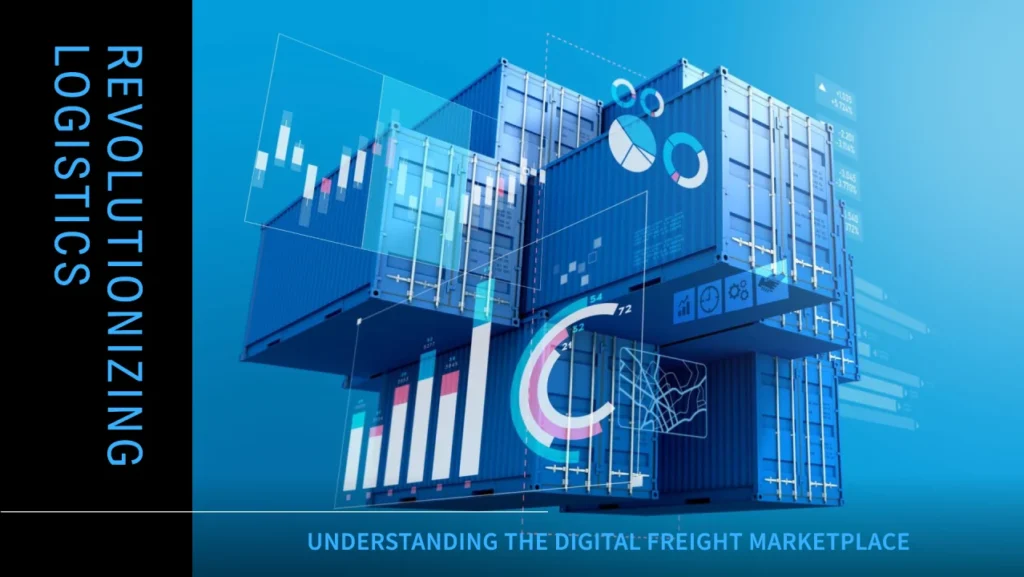
Understanding the Digital Freight Marketplace: Revolutionizing Logistics and Transportation

In recent years, the logistics and transportation industry has undergone a significant transformation with the rise of digital freight marketplaces. These platforms leverage technology and data-driven solutions to connect shippers, carriers, and freight brokers in a seamless and efficient marketplace. Let’s explore the concept, functionalities, benefits, challenges, and future trends of digital freight marketplaces, highlighting their impact on supply chain management and logistics operations.

Introduction to Digital Freight Marketplaces

A digital freight marketplace is an online platform that facilitates the matching of freight transport demand with available capacity, enabling real-time transactions and efficient logistics operations. Unlike traditional methods of freight booking and transportation management, which often involve manual processes and intermediaries, digital freight marketplaces utilize advanced technologies such as artificial intelligence (AI), machine learning, and cloud computing to streamline the process and optimize logistics efficiency.

Evolution of Freight Transportation and Market Dynamics

1. Traditional Freight Brokerage

Historically, freight brokerage involved intermediaries, known as freight brokers, who acted as intermediaries between shippers (companies needing to transport goods) and carriers (transportation providers such as trucking companies). Brokers facilitated freight bookings, negotiated rates, and managed logistics processes on behalf of their clients.

2. Shift Towards Digitalization

The advent of digital technologies has transformed the freight brokerage industry, leading to the emergence of digital freight marketplaces. These platforms leverage digitalization to enhance transparency, efficiency, and accessibility in freight booking and transportation management.

3. Market Dynamics

The digital freight marketplace ecosystem is characterized by dynamic interactions among shippers, carriers, freight brokers, and technology providers. Key market dynamics include competition among platform providers, technological innovation, regulatory considerations, and evolving customer expectations for transparency and efficiency in logistics operations.

Functionality and Key Components of Digital Freight Marketplaces

1. Shipment Booking and Matching

Digital freight marketplaces enable shippers to post their shipment requirements, including origin, destination, cargo type, and preferred delivery timeline. Carriers can browse available shipments and submit bids or accept booking requests based on their capacity and route availability.

2. Real-Time Visibility and Tracking

Enhanced visibility and tracking capabilities allow stakeholders to monitor shipment status, location, and estimated time of arrival (ETA) in real time. This transparency enables proactive management of logistics operations and timely communication with customers and partners.

3. Automated Freight Matching

AI-driven algorithms and machine learning models automate the process of matching freight demand with available capacity, considering factors such as shipment characteristics, carrier preferences, historical performance data, and market rates. This automated matching improves efficiency and reduces manual intervention in freight booking and logistics management.

4. Rate Transparency and Negotiation

Digital freight marketplaces promote rate transparency by providing shippers and carriers with visibility into market rates, competitive pricing trends, and historical transaction data. Transparent pricing facilitates informed decision-making and fair negotiations between parties.

5. Payment and Settlement

Integrated payment and settlement features enable secure and efficient financial transactions between shippers, carriers, and freight brokers. Digital freight marketplaces may offer options for automated invoicing, payment processing, and dispute resolution to streamline financial transactions and improve cash flow management.

Benefits of Digital Freight Marketplaces

1. Enhanced Efficiency and Operational Agility

Digital freight marketplaces streamline logistics operations by reducing manual processes, optimizing resource allocation, and minimizing idle capacity. Automated workflows and real-time data integration improve operational agility and responsiveness to changing market conditions.

2. Cost Optimization

Optimized freight matching and route planning reduce transportation costs, including fuel expenses, maintenance costs, and overhead expenses associated with inefficient logistics practices. Improved efficiency in freight booking and management translates into cost savings for shippers and carriers.

3. Improved Visibility and Transparency

Real-time visibility into shipment status, inventory levels, and logistics performance enhances supply chain visibility and transparency. Stakeholders can make data-driven decisions, mitigate risks, and proactively address operational challenges to improve customer service and satisfaction.

4. Scalability and Flexibility

Digital freight marketplaces offer scalable solutions that can accommodate varying shipment volumes, seasonal demand fluctuations, and evolving business requirements. Flexible integration with existing IT systems and supply chain networks supports growth, expansion, and adaptation to changing market dynamics.

Challenges and Considerations in Adopting Digital Freight Marketplaces

1. Technological Integration

Integration with existing IT infrastructure, legacy systems, and third-party applications requires careful planning and investment in technology upgrades or customization. Compatibility issues and data security concerns may arise during implementation.

2. Data Privacy and Security

Protecting sensitive information, such as shipment details, financial transactions, and customer data, from cybersecurity threats and data breaches is essential for maintaining trust and compliance with regulatory requirements.

3. Market Fragmentation and Competition

The digital freight marketplace ecosystem is characterized by competition among platform providers, varying service offerings, and market fragmentation. Shippers and carriers may face challenges in selecting the right platform that aligns with their business needs and operational requirements.

4. Regulatory Compliance

Navigating regulatory frameworks, transportation regulations, and legal requirements across different jurisdictions requires adherence to compliance standards and industry regulations. Platform providers must ensure transparency, fairness, and accountability in freight transactions to mitigate regulatory risks.

Future Trends and Innovations in Digital Freight Marketplaces

1. Adoption of IoT and Sensor Technologies

Integration of Internet of Things (IoT) devices and sensor technologies for real-time monitoring of shipment conditions, environmental factors, and asset tracking enhances visibility, safety, and efficiency in freight transportation.

2. Blockchain Technology

Blockchain technology enables secure, transparent, and immutable recording of transactional data, contracts, and documentation throughout the supply chain. Smart contracts automate payment settlements, reduce disputes, and enhance trust among stakeholders.

3. Predictive Analytics and AI

Advancements in predictive analytics and AI-driven algorithms enable predictive modeling, demand forecasting, and decision support tools for proactive risk management, capacity planning, and operational optimization in logistics operations.

4. Sustainability Initiatives

Growing emphasis on environmental sustainability and corporate social responsibility (CSR) drives initiatives for carbon footprint reduction, eco-friendly logistics practices, and adoption of green transportation technologies within digital freight marketplaces.

Case Studies and Real-World Applications

Case Study 1: Uber Freight

Explore how Uber Freight leverages technology and data analytics to disrupt the traditional freight brokerage industry, offering real-time freight matching, transparent pricing, and operational efficiency to shippers and carriers.

Case Study 2: Convoy

Learn how Convoy utilizes AI-driven algorithms and digital freight marketplace solutions to optimize trucking operations, reduce empty miles, and improve resource utilization for sustainable logistics practices.

Conclusion

Digital freight marketplaces represent a transformative force in the logistics and transportation industry, offering unprecedented opportunities for efficiency, transparency, and cost savings. By accepting digitalization, leveraging advanced technologies, and adopting collaborative approaches, businesses can streamline freight booking, optimize resource allocation, and enhance supply chain visibility to meet evolving customer demands and market expectations. As the industry continues to evolve, organizations that prioritize innovation, adaptability, and customer-centricity will thrive in an increasingly interconnected and competitive marketplace. We must all embrace the future of logistics with digital freight marketplaces to unlock new possibilities and drive sustainable growth in supply chain management and transportation logistics.


John Delgado

History of Kuehne & Nagel: A Legacy of Logistics Excellence

Kuehne & Nagel International AG, often referred to simply as Kuehne & Nagel, is a global leader in logistics and supply chain management. With a rich history spanning over a century, the company has evolved from humble beginnings into a powerhouse in the logistics industry. This article explores the journey of Kuehne & Nagel, from its inception to its’ current status as a key player in the global logistics sector.

Foundation and Early Years

Kuehne & Nagel was founded in 1890 by August Kuehne and Friedrich Nagel in Bremen, Germany. The company started as a traditional freight forwarding business, initially focusing on European trade routes. August Kuehne and Friedrich Nagel established a reputation for reliability and efficiency, laying the foundation for the company’s future growth.

Expansion and Diversification

In the early 20th century, Kuehne & Nagel expanded its operations beyond Europe, establishing a network of agents and partners across key international markets. The company capitalized on emerging transportation technologies, such as steamships and railways, to offer comprehensive logistics solutions to its growing client base.

During World War II, Kuehne & Nagel faced significant challenges due to geopolitical instability and disruptions to global trade. However, the company’s resilience and adaptability allowed it to navigate through turbulent times and emerge stronger in the post-war era.

Post-War Era and Global Growth

The decades following World War II marked a period of rapid expansion for Kuehne & Nagel. The company diversified its service offerings to include air freight, warehousing, and integrated supply chain solutions. By leveraging advancements in technology and logistics management practices, Kuehne & Nagel established itself as a pioneer in the industry.

In the 1970s and 1980s, Kuehne & Nagel continued to expand its global footprint through strategic acquisitions and partnerships. The company strengthened its presence in key markets such as North America, Asia-Pacific, and Latin America, establishing a truly global network of operations.

Strategic Initiatives and Innovation

Throughout its history, Kuehne & Nagel has been at the forefront of innovation in logistics and supply chain management. The company has invested heavily in technology and digitalization to enhance operational efficiency and customer service. By adopting advanced analytics, artificial intelligence, and automation, Kuehne & Nagel has streamlined processes and optimized supply chain performance for its clients.

In recent years, Kuehne & Nagel has focused on sustainability and corporate responsibility initiatives. The company has implemented eco-friendly practices and green logistics solutions to reduce its environmental footprint and promote sustainable development.

Key Milestones and Achievements

Over the years, Kuehne & Nagel has achieved several milestones that underscore its leadership in the logistics industry:

  1. 1990s: Launch of KN Login, an integrated logistics platform for managing shipments and supply chain activities.
  2. 2000s: Expansion into emerging markets such as China and India, establishing a strong presence in Asia-Pacific.
  3. 2010s: Introduction of KN PharmaChain, a specialized logistics solution for the pharmaceutical and healthcare sectors.
  4. 2020s: Continued expansion of digital capabilities with the launch of KN Digital, a platform for real-time visibility and predictive analytics.

Corporate Culture and Values

Central to Kuehne & Nagel’s success is its commitment to core values such as integrity, teamwork, and customer focus. The company’s corporate culture emphasizes collaboration, innovation, and continuous improvement. Kuehne & Nagel fosters a diverse and inclusive workplace environment, where employees are encouraged to develop their skills and contribute to the company’s growth.

Challenges and Future Outlook

Looking ahead, Kuehne & Nagel faces a rapidly evolving global landscape characterized by technological disruption and geopolitical uncertainty. The company continues to invest in digital transformation and innovation to maintain its competitive edge. By leveraging its extensive network, industry expertise, and commitment to excellence, Kuehne & Nagel is well-positioned to navigate challenges and capitalize on opportunities in the dynamic logistics market.

Conclusion

In conclusion, the history of Kuehne & Nagel is a testament to its resilience, innovation, and commitment to customer satisfaction. From its humble beginnings in 1890 to its status as a global logistics leader, Kuehne & Nagel has continuously adapted to meet the evolving needs of its clients and the marketplace. As the company looks towards the future, its dedication to excellence and sustainability will continue to drive its success in the years to come.


John Delgado

The Influence of the Roman Army on Modern Logistics: A Legacy of Efficiency and Organization

The Roman Empire is renowned for its military prowess and strategic conquests across ancient Europe, Asia, and Africa. Central to the success of the Roman legions was their sophisticated logistical system, which enabled the empire to mobilize, supply, and sustain large armies over vast distances. Let’s explore how the Roman Army’s logistical innovations and organizational principles have influenced modern logistics practices and shaped the evolution of supply chain management.

Logistics in the Roman Army: Foundations of Efficiency

1. Infrastructure Development

One of the most enduring contributions of the Roman Army to logistics was its extensive network of roads, bridges, and aqueducts. The Romans understood the importance of efficient transportation for the movement of troops, supplies, and communication across their vast empire. Roman engineers, known for their advanced construction techniques, built over 250,000 miles of roads, many of which served as the backbone of their logistical network.

These roads facilitated rapid troop movements and the transportation of essential supplies such as food, water, weapons, and building materials. The strategic placement of military outposts and supply depots along these roads ensured that Roman legions could operate effectively in both peacetime and during military campaigns.

2. Supply Chain Management

The Roman Army pioneered effective supply chain management practices to ensure the provisioning and maintenance of its legions. Supply logistics were organized through a system known as the Cursus Publicus, which provided for the distribution of goods and services throughout the empire. This system included state-run warehouses (horrea) strategically located in key cities and military forts to store and distribute provisions.

Roman commanders were responsible for coordinating logistics operations, including procurement, transportation, and distribution of supplies to frontline troops. They implemented strict discipline and logistical protocols to prevent shortages and maintain operational readiness in the field.

Organizational Principles and Military Strategy

1. Division of Labor and Specialization

The Roman Army implemented a hierarchical command structure and division of labor that enabled efficient organization and coordination of logistics. Legions were divided into smaller units (centuriae) and specialized divisions, each with specific roles and responsibilities. This organizational framework ensured that tasks such as supply management, engineering, and medical care were handled by trained professionals with expertise in their respective fields.

2. Standardization and Innovation

Roman military logistics emphasized standardization of equipment, procedures, and training to promote uniformity and efficiency across the empire. Standardized equipment, such as weaponry, armor, and pack animals (e.g., mules and horses), facilitated logistics operations and reduced the logistical burden on soldiers.

The Romans also embraced innovation in logistics, developing advanced siege warfare techniques, fortified supply lines (limes), and portable field hospitals (valetudinaria) to support their military campaigns. These innovations contributed to the Romans’ ability to sustain prolonged military engagements and exert control over vast territories.

Legacy and Impact on Modern Logistics

1. Infrastructure Development

The Roman Empire’s emphasis on infrastructure development laid the groundwork for modern transportation and logistics systems. The network of roads and bridges built by the Romans served as models for subsequent civilizations and played a crucial role in facilitating trade, commerce, and cultural exchange across Europe and beyond.

In modern times, the principles of efficient transportation infrastructure and connectivity remain essential to global logistics networks. Countries and regions continue to invest in road, rail, air, and maritime infrastructure to enhance economic competitiveness and facilitate the movement of goods and services.

2. Supply Chain Management

The Roman Army’s approach to supply chain management introduced fundamental concepts that are still relevant in contemporary logistics practices. The importance of inventory management, supply chain visibility, and risk mitigation strategies can be traced back to Roman logistical innovations.

Today, organizations leverage technology, data analytics, and automation to optimize supply chain operations and enhance efficiency. The integration of digital platforms, such as enterprise resource planning (ERP) systems and transportation management software (TMS), enables real-time tracking of shipments, inventory management, and predictive analytics to anticipate demand fluctuations and mitigate supply chain disruptions.

3. Organizational Principles and Leadership

The hierarchical command structure and division of labor adopted by the Roman Army have influenced modern military organizations and corporate management practices. The principles of leadership, discipline, and strategic planning espoused by Roman commanders continue to inspire leaders in various fields, including business, government, and academia.

Leadership development programs often draw upon historical examples from the Roman Empire to impart lessons on effective decision-making, teamwork, and crisis management. The emphasis on training, specialization, and continuous improvement reflects a commitment to excellence and operational excellence that resonates in modern organizational culture.

Conclusion

In conclusion, the Roman Army’s impact on modern logistics is profound and enduring. The empire’s emphasis on infrastructure development, supply chain management, and organizational principles laid the foundation for contemporary logistics practices and strategic management. The lessons learned from Roman military logistics—efficiency, innovation, and adaptability—continue to shape the evolution of supply chain management and influence global trade and commerce in the 21st century.

As we look to the future, the principles and innovations pioneered by the Roman Army serve as a testament to the enduring legacy of ancient civilizations in shaping our modern world. By understanding and applying these historical lessons, we can continue to advance the efficiency, sustainability, and resilience of global logistics networks for generations to come.


John Delgado

John Delgado

CEO @ FreightPath Inc. | CSCMP Corporate Member | We Deploy The Industry’s Most Comprehensive Global Supply Chain Curriculum | 500+ Course Library | gofreightpath.com/course-catalog

How AI is Transforming E-Learning: A Personal Perspective on a Digital Revolution

Over the past decade, I’ve watched education evolve at a staggering pace. What once required chalkboards, heavy textbooks, and fixed classroom hours can now happen from a cozy corner at home, on a laptop or even a phone. At the heart of this change is Artificial Intelligence (AI), quietly but powerfully shaping how we learn, teach, and connect in the digital age.

As someone who has both learned and taught in online environments, I’ve experienced firsthand how AI is transforming e-learning—not just in technical terms, but in deeply human ways. It’s not just about faster grading or fancier software; it’s about making learning more personalized, inclusive, responsive, and even joyful. In this essay, I’ll take you through the many dimensions of how AI is impacting e-learning, grounded in both research and real-world examples, but told through a personal lens that reflects the everyday experiences of learners and educators alike.


1. Learning That Knows You: Personalization Through AI

One of the most heartening aspects of AI in education is its ability to personalize learning experiences. Imagine sitting down for an online course and feeling like it was designed just for you—because, in many ways, it was.

Adaptive Learning: Meeting Students Where They Are

AI systems in e-learning platforms like Khan Academy, Coursera, and track how you interact with lessons—what you click on, how long you spend on a quiz, where you get stuck. This data allows the system to adapt in real time, adjusting the difficulty level or offering a different explanation or video. It’s like having a tutor who’s paying attention to your unique journey.

For me, this has meant no more frustration at being held back by generic content or getting overwhelmed by materials I’m not ready for. It’s liberating—and incredibly motivating—to learn at my own pace, on a path that’s just right for me.

Intelligent Recommendations

Just like Netflix suggests the next movie, AI-powered platforms can suggest what course or module to take next, based on your goals, performance, and interests. This isn’t just convenient; it keeps the learning journey alive and dynamic, always offering a “next step” without pressure.


2. AI Tutors: Your 24/7 Learning Companions

I remember staying up late trying to figure out a math problem, wishing I had someone to explain it to me one more time. Today, AI makes that possible with Intelligent Tutoring Systems (ITS).

Real-Time Feedback and Support

These AI tutors, like the one embedded in Carnegie Learning’s MATHia or platforms like Squirrel AI in China, don’t just give you the right answer—they guide you toward it. They ask questions, provide hints, and help you think critically. And they never get tired or frustrated.

It’s reassuring to know that when human help isn’t available, there’s a system that can still support your learning. Especially for students in remote areas or different time zones, these tools can be a lifeline.

A More Human Touch

Thanks to advances in Natural Language Processing (NLP), AI tutors are becoming more conversational and empathetic. Some even detect confusion or frustration through your inputs and adjust their approach. This human-like interaction builds confidence, especially for shy learners who might hesitate to ask questions in a live classroom.


3. Behind the Scenes: AI Lightening the Load for Educators

Teaching online is no small feat. Behind every course is a mountain of work: grading, answering queries, updating content, tracking performance. AI steps in here as a silent partner, lightening the load so educators can focus more on teaching and mentoring.

Automated Grading and Assessment

Grading assignments used to take me hours. Now, AI-powered tools like Gradescope or Google Classroom can handle multiple-choice, coding tasks, and even short-form answers efficiently. This doesn’t mean less oversight—it means more time for meaningful feedback where it’s most needed.

Course Creation and Content Curation

AI also helps educators build better courses. It can suggest readings, auto-generate quizzes, and even pull together the latest articles or research for a topic. Imagine having a digital assistant that not only files your paperwork but also brings you the best tools to teach.


4. Making Learning Accessible for Everyone

One of AI’s most beautiful impacts is how it expands access to education. Learning should be for everyone—not just those in big cities or traditional schools. AI is helping break down the barriers that stand in the way.

Language and Translation Support

Global platforms like Duolingo and YouTube use AI to offer real-time subtitles and translations. A learner in Kenya can take a programming course taught in French, and someone in Brazil can follow a tutorial originally recorded in English. It’s a bridge across cultures and continents.

Support for Learners with Disabilities

AI-driven tools like speech-to-text, text-to-speech, and customizable interfaces empower learners with visual, auditory, or cognitive challenges. Microsoft’s Immersive Reader, for instance, makes reading more accessible for those with dyslexia or ADHD. As a tutor, I’ve seen how these tools boost confidence and independence.


5. Keeping Learners Engaged: The Power of Gamification

Let’s face it—online learning can sometimes feel lonely or boring. But AI is helping inject energy and fun into the process through gamification.

Personalized Game Paths

AI doesn’t just add games; it makes them smarter. It adjusts difficulty levels, rewards, and progress based on how a learner is performing. This keeps students in the “flow” zone—not too easy to be dull, not too hard to be discouraging.

I’ve watched students go from disengaged to completely absorbed, simply because the platform responded to their pace and progress in a way that made learning feel like a challenge rather than a chore.


6. Seeing Into the Future: Predictive Analytics

AI isn’t just reacting—it’s anticipating. With predictive analytics, platforms can flag when a student might be at risk of falling behind, even before it happens.

Early Interventions

AI looks at patterns—missed logins, low quiz scores, inconsistent engagement—and alerts instructors or suggests resources. It’s like having a safety net under every student.

Career Guidance

Some AI tools go even further, analyzing your strengths, preferences, and trends in the job market to recommend career paths or new skills to learn. This kind of guidance feels like having a mentor who knows both you and the world you’re stepping into.


7. Challenges We Can’t Ignore

Of course, AI in e-learning isn’t perfect. There are real concerns we need to talk about openly.

Data Privacy

These systems collect a lot of personal data. How that data is used and protected matters deeply. Institutions must be transparent and responsible, ensuring that students’ information is safe and used ethically.

Bias in Algorithms

If AI is trained on biased data, it can make unfair decisions—like misjudging a student’s potential based on patterns that don’t reflect their unique context. Diverse data, regular audits, and human oversight are essential to prevent this.

The Digital Divide

Not everyone has access to high-speed internet or smart devices. As AI advances, we must ensure it doesn’t leave behind those who already face barriers to education. Equity must be part of every conversation.


8. Real-World Stories: AI in Action

Duolingo

Duolingo is more than a language app. It uses AI to tailor each lesson to your progress, mixing in spaced repetition, adaptive challenges, and even gamified stories. My own language learning has become much more intuitive—and fun—thanks to it.

Squirrel AI

In China, Squirrel AI has revolutionized how students prepare for exams by offering a one-on-one adaptive experience. It’s been credited with improving outcomes in large and small cities alike, showing how scalable and impactful AI can be.


9. Looking Ahead: What’s Next?

We’re just scratching the surface of what AI can do in e-learning.

Emotion-Aware Learning

Future systems may be able to sense when you’re tired, anxious, or confident through voice, typing speed, or even facial expressions, adjusting the lesson or pace accordingly.

Virtual Reality and AI

Imagine a history class where you don a headset and AI guides you through ancient Rome, adjusting the tour based on your curiosity or questions. This isn’t science fiction—it’s already starting to happen.


Conclusion: Learning Reimagined

AI in e-learning isn’t about replacing teachers or making education robotic. At its best, it’s about making learning more human—more attuned to our needs, more flexible to our lives, and more inclusive of our differences.

From personalized learning paths to 24/7 support, from smarter content to broader access, AI is helping reimagine what learning can be. And as someone who has felt both the frustration of traditional systems and the joy of these new tools, I truly believe we’re moving toward something better—if we stay thoughtful, inclusive, and human-centered in how we use it.

In the end, education is not just about information. It’s about transformation. And with AI, we have a powerful new partner in making that transformation possible for more people, in more ways, than ever before.


John Delgado

Navigating the Storm: How Labor Shortages and Workforce Disruptions Are Reshaping the Supply Chain Landscape

In the past few years, our global supply chains have experienced an extraordinary period of transformation. From the chaos unleashed by the COVID-19 pandemic to geopolitical tensions and technological evolution, these disruptions have forced us to reevaluate the very core of how goods and services move around the world. Among the many challenges, one stands out with increasing urgency: labor shortages and workforce disruptions.

Labor has always been the heartbeat of supply chains. From the skilled workers who manufacture components to the drivers transporting goods and the logistics professionals ensuring just-in-time deliveries, every link in the chain depends on people. But today, that heartbeat is strained. In this article, we’ll explore why labor shortages have become such a pressing issue, how they are impacting the supply chain, and what companies can do to adapt and thrive in this new reality.

The Perfect Storm: Causes Behind the Labor Shortage

1. Demographic Shifts

The American workforce is aging. A large segment of the labor force in manufacturing and transportation is nearing retirement. According to the U.S. Bureau of Labor Statistics, the median age of a truck driver is over 46, with many approaching their 60s. As these experienced workers retire, fewer younger workers are stepping in to replace them.

2. Changing Attitudes Toward Work

The pandemic was a catalyst for what many now call “The Great Resignation.” Workers across industries reassessed their career paths, work-life balance, and overall satisfaction. Many chose to leave high-stress, physically demanding jobs in favor of opportunities that offer flexibility and purpose. Warehouses and distribution centers, with their long hours and physical labor, were among the hardest hit.

3. Skill Gaps

Modern supply chains require a highly skilled workforce. With automation, data analytics, and AI becoming integral parts of logistics operations, there is a growing need for workers who are not just laborers but also tech-savvy professionals. However, the pipeline of such talent is not keeping pace with demand.

4. Immigration Policies and Global Labor Dynamics

Stricter immigration policies have reduced the number of foreign workers available for key industries. Additionally, labor shortages are not just a U.S. problem. Countries around the globe are facing similar issues, which means the global talent pool is more competitive than ever.

Ripple Effects: How Workforce Disruption Is Impacting Supply Chains

The consequences of labor shortages are far-reaching and multifaceted. Here are some of the key ways in which supply chains are feeling the pressure:

1. Rising Costs

With fewer workers available, wages have risen significantly. While this is a win for workers, it places financial pressure on companies. Increased labor costs, when combined with inflation and higher transportation fees, lead to increased prices for consumers.

2. Slower Production and Delays

A lack of personnel in manufacturing plants and logistics hubs slows down production and fulfillment. Just-in-time delivery models, which rely on precise timing and coordination, become harder to maintain, leading to longer lead times and frequent stockouts.

3. Increased Reliance on Automation

To counteract labor shortages, many companies are accelerating investments in automation. Robotics and AI are being deployed in warehouses, factories, and even on the roads with autonomous vehicles. While promising, these solutions require significant upfront investment and time to implement.

4. Decline in Service Quality

From missed delivery windows to poor customer service, a reduced and overstretched workforce often leads to a decline in overall service quality. This, in turn, can damage brand reputation and customer loyalty.

Stories from the Field: A Closer Look

Consider the case of a mid-sized electronics distributor based in Ohio. In 2022, they experienced a 35% turnover rate in warehouse staff. Despite increasing wages by 20%, they struggled to retain workers due to the physically demanding nature of the job and competition from companies offering remote work. This forced them to rely on temporary labor, which lacked the training and commitment needed for efficient operations.

Another example comes from the trucking industry. A logistics firm in Texas reported that it had to reject over 15% of shipping requests in Q4 2024 due to a shortage of qualified drivers. The result? Frustrated clients, missed delivery deadlines, and a significant drop in revenue.

These stories are not anomalies—they are the new normal. Companies across sectors are grappling with similar issues, and the urgency to adapt has never been greater.

Strategies for Moving Forward

1. Reimagining Workplaces

Companies need to rethink how they design jobs. Creating roles that are less physically taxing and more appealing—through ergonomic improvements, flexible hours, and mental health support—can help attract and retain talent. Investing in employee well-being is no longer optional; it’s a strategic imperative.

2. Upskilling and Reskilling

To bridge the skill gap, companies must invest in continuous learning. This means not just training current employees but also partnering with educational institutions to build a pipeline of future-ready workers. Apprenticeship programs, online learning platforms, and on-the-job training are all effective tools.

3. Embracing Diversity and Inclusion

Broadening the hiring lens to include underrepresented groups—such as women in logistics or older workers looking to re-enter the workforce—can tap into valuable, often overlooked, talent pools.

4. Strengthening Employer Branding

In a competitive labor market, companies must market themselves not just to customers but to potential employees. This involves clear communication about company values, career growth opportunities, and workplace culture.

5. Leveraging Technology Wisely

While automation is not a silver bullet, it can alleviate pressure when deployed strategically. For example, using AI for inventory management or robotics for repetitive tasks can free up human workers for more complex, value-added roles.

The Road Ahead: Adapting to a New Normal

Labor shortages and workforce disruptions are not temporary blips; they are indicative of structural shifts in the labor market. As such, the supply chain industry must adapt with long-term solutions, not short-term fixes. This means viewing labor as a strategic asset and investing in people with the same vigor as we invest in technology.

It’s a challenging time, but also an exciting one. We have the opportunity to reshape the world of work—to make it more resilient and future-ready. Those who rise to the occasion will not only weather the storm but emerge stronger on the other side.

In closing, the health of our supply chains will increasingly depend on how we treat our workforce. People are not just cogs in the machine; they are the drivers of innovation, resilience, and growth. Let’s build a future where that truth is not only acknowledged but celebrated.


John Delgado

Harmonizing Intelligence: How Supply Chain Professionals Can Thrive Alongside AI

In a world increasingly defined by algorithms and automation, the relationship between human expertise and artificial intelligence (AI) is no longer a speculative conversation but an immediate reality. Nowhere is this more apparent than in the realm of supply chain management, where AI is not only streamlining operations but also reshaping job roles and strategic decision-making. Rather than viewing AI as a threat to job security or professional relevance, supply chain experts have a unique opportunity to evolve alongside it, creating a partnership that enhances both efficiency and human impact.

Supply chain management has always been a blend of logistics, intuition, and analytical prowess. From forecasting demand to managing inventory, routing deliveries, and negotiating with suppliers, it demands both precision and flexibility. AI brings powerful tools to the table: the ability to process enormous datasets in real time, identify patterns invisible to the human eye, and make predictive recommendations at speed. But even with all this capability, AI lacks the nuanced judgment, relationship-building finesse, and ethical reasoning that human professionals bring to the field.

The key to thriving alongside AI is understanding that the technology is an augmentation, not a replacement. Just as calculators didn’t eliminate the need for mathematicians and autopilot systems didn’t make pilots obsolete, AI in supply chains is best viewed as a force multiplier. It allows professionals to focus on higher-value tasks by automating the routine and augmenting decision-making with data-driven insights.

One of the most immediate ways AI supports supply chain professionals is in demand forecasting. Traditional methods rely heavily on historical data and static models. AI introduces dynamic modeling that adapts in real time to changing market conditions, social trends, weather patterns, and global events. This means forecasts are not just more accurate, but also more adaptable. For professionals, this translates into the ability to plan more confidently, reduce waste, and respond to volatility with agility. AI becomes a partner in crafting strategies, not merely crunching numbers.

Inventory management also benefits significantly from AI integration. Algorithms can predict optimal stock levels, suggest replenishment schedules, and even anticipate supplier delays based on historical trends and current events. With AI handling these calculations, professionals can turn their attention to supplier relationships, contract negotiations, and sustainability initiatives. The result is a shift from reactive problem-solving to proactive value creation.

AI is also revolutionizing logistics through route optimization and real-time tracking. By factoring in traffic, weather, fuel costs, and delivery constraints, AI systems can devise the most efficient transportation plans. But the final say often remains with human operators who must consider customer-specific requirements, service levels, and unexpected disruptions. Here, AI acts as a co-pilot—providing options and data but leaving the ultimate decisions to seasoned professionals.

Perhaps one of the most transformative aspects of AI in supply chains is its potential to elevate strategic planning. Scenario modeling, risk assessment, and trend analysis powered by machine learning can uncover opportunities and vulnerabilities far beyond the scope of traditional spreadsheets. Human insight is essential to interpret these findings in context, balancing quantitative outputs with qualitative factors like corporate values, market perception, and long-term vision. This is where the future of supply chain leadership lies: not in manual oversight of processes, but in orchestrating strategy informed by AI.

The coexistence of AI and human talent also hinges on continual learning and adaptability. As AI tools become more embedded in supply chain systems, professionals must cultivate digital fluency. This doesn’t mean becoming data scientists or coders, but rather developing a working understanding of how AI operates, what it can and cannot do, and how to ask the right questions of the systems. Organizations should support this evolution through training programs, mentorship, and a culture that celebrates curiosity and growth.

Moreover, emotional intelligence and communication skills are taking center stage. AI may generate insights, but translating those insights into action requires human connection. Supply chain professionals who can explain complex data in clear, relatable terms, persuade stakeholders, and build consensus will become increasingly indispensable. As AI handles the technical layers, the human role will revolve more around leadership, ethics, and empathy—qualities that machines cannot replicate.

There’s also a vital role for professionals in ensuring ethical AI deployment. Algorithms are only as unbiased and fair as the data and parameters fed into them. Humans must oversee AI systems to prevent discriminatory outcomes, ensure transparency, and align outputs with corporate responsibility goals. This stewardship role is not just necessary but profoundly valuable, placing human judgment at the heart of technological progress.

The integration of AI into supply chain management is not a destination but a journey—one that requires thoughtful navigation. It’s important to remember that coexistence is not about compromise, but about complementarity. When professionals embrace AI as a collaborator, they gain access to tools that amplify their impact and open new dimensions of value.

As this new era unfolds, stories of successful human-AI collaboration are emerging across industries. A procurement manager who uses AI to identify supplier risks before they escalate. A warehouse supervisor who leverages robotics to improve worker safety while reducing turnaround times. A logistics coordinator who uses predictive analytics to delight customers with faster, more reliable service. These are not futuristic fantasies; they are happening now, and they reflect the limitless potential of a well-balanced partnership.

Ultimately, the question is not whether AI will change the supply chain profession—it already has. The real question is how professionals will choose to respond. By leaning into what makes us uniquely human—our creativity, empathy, judgment, and drive—we can ensure that the rise of AI is not a replacement, but a renaissance. A chance to do our work not just differently, but better.

In this shared future, supply chain professionals will not be overshadowed by machines but illuminated by them, standing taller with the support of tools that extend their reach, enrich their perspective, and empower their choices. Coexistence with AI is not only possible—it is the most promising path forward for a stronger, smarter, and more sustainable supply chain ecosystem.


John Delgado

The Ripple Effect: How Market Consolidation Shapes the Supply Chain Labor Force

As industries continue to evolve in the wake of global disruptions, technological advancement, and economic pressure, one trend is becoming increasingly prominent: market consolidation. From retail and logistics to manufacturing and technology, businesses are merging, acquiring, and consolidating at an accelerated pace. While these shifts are often framed in terms of financial efficiency and market dominance, their impacts reach far deeper—touching the heart of the supply chain labor force in profound and often unexpected ways.

Market consolidation fundamentally alters the landscape of employment. When companies combine, they integrate operations, streamline processes, and seek to eliminate redundancies. On paper, these changes improve margins and deliver shareholder value. In practice, they reshape the daily experiences of supply chain professionals, affecting job security, career growth, skill requirements, and workplace culture.

At its core, consolidation is about control—control over cost structures, distribution networks, technology platforms, and customer relationships. But this control often comes at a cost to the labor force. When two companies merge, the first and most visible impact tends to be headcount reductions. Roles are duplicated, departments overlap, and operational efficiency becomes the immediate priority. For warehouse staff, drivers, logistics coordinators, procurement officers, and other supply chain personnel, this creates a period of uncertainty and, often, upheaval.

Beyond layoffs, there are subtler, longer-term implications. As market consolidation leads to larger, more centralized organizations, decision-making becomes more top-down. Local autonomy diminishes, and standardized procedures replace regional flexibility. For employees, this can mean less input into operations, fewer opportunities to innovate locally, and a sense of disconnect from leadership. These cultural shifts affect morale and engagement, which in turn influence productivity and retention.

Yet, the story is not all grim. Market consolidation can also bring stability and opportunity. Larger organizations may offer better benefits, more structured career paths, and access to cutting-edge tools and technologies. When managed thoughtfully, consolidation can lead to cross-training, upskilling, and exposure to best practices from multiple legacy systems. For ambitious supply chain professionals, this environment can be a springboard for career advancement.

Technology plays a critical role in this transition. As companies consolidate, they often invest in unified platforms and systems to replace disparate legacy solutions. Enterprise resource planning (ERP) systems, warehouse management software, and transportation management tools become central to streamlined operations. These investments can make jobs more efficient and reduce manual labor—but they also require workers to adapt, learn new skills, and become more tech-savvy. The demand for digitally fluent workers grows, while traditional roles evolve or disappear.

This shift toward technology-centric operations places training and education at the forefront of labor strategy. Companies that are proactive in reskilling their workforce can retain valuable institutional knowledge while preparing employees for future demands. Those that neglect this responsibility risk losing talent and encountering resistance to change. Supply chain professionals who embrace continuous learning and adaptability will be best positioned to thrive in a consolidated landscape.

Culturally, the blending of organizations also requires thoughtful leadership. Each company brings its own values, norms, and work styles. When these cultures clash, confusion and friction can arise. For frontline workers, unclear expectations or shifting policies can lead to disengagement. Leaders must invest time and energy into cultural integration, fostering communication, and ensuring that all employees feel heard and valued during the transition.

Market consolidation also influences geographic dynamics within the labor force. Centralization often leads to the closure of regional offices or facilities in favor of mega-centers. While this may improve operational efficiency, it can have devastating effects on local employment and economies. Communities that once relied on a distribution center or manufacturing plant may find themselves grappling with job loss and economic downturn. Policymakers and corporate leaders alike must consider these ripple effects and explore strategies to support displaced workers and revitalized regions.

At the same time, consolidation can create labor demand in new areas. As companies establish centralized hubs or expand global reach, they often need talent in new locations. This presents opportunities for relocation, remote work arrangements, and regional specialization. For workers willing and able to adapt geographically, new doors can open. However, this flexibility is not available to everyone, and companies must be mindful of equity and access as they reshape their workforce footprint.

For unions and labor organizations, consolidation presents both challenges and opportunities. On one hand, larger corporations can be harder to influence, with greater resources and legal teams at their disposal. On the other hand, a more concentrated workforce creates potential for unified action and stronger collective bargaining. The evolving relationship between labor and management will be a critical determinant of how consolidation ultimately affects worker rights and conditions.

From a leadership perspective, the key to navigating market consolidation lies in empathy, transparency, and long-term vision. Supply chain leaders must communicate openly with their teams, acknowledge the difficulties of change, and outline clear paths forward. Strategic workforce planning should be part of the consolidation process from the beginning, not an afterthought. When employees understand the rationale behind changes and see a role for themselves in the new structure, they are more likely to engage and contribute.

Ultimately, market consolidation is neither inherently good nor bad for the supply chain labor force—it is a complex reality that brings both risks and rewards. The outcomes depend on how companies manage the process, how workers respond, and how all stakeholders work together to create a resilient, inclusive, and future-ready supply chain.

In this environment, supply chain professionals are called to be not just operators, but change agents. By staying informed, cultivating adaptability, and advocating for thoughtful integration, they can help shape the future of their industry. It’s not just about surviving consolidation—it’s about leading through it, with compassion, clarity, and courage.

As the dust settles on each new merger or acquisition, what remains is the enduring human element. Technology will continue to advance, strategies will shift, and markets will consolidate, but the heart of the supply chain will always be the people who keep it moving. Their resilience, ingenuity, and commitment are what will define the next chapter of this ever-evolving field.


John Delgado

The Power of Resiliency: Why It Matters for Both Children and Adults

In today’s ever-evolving world, resilience isn’t just a nice-to-have—it’s essential. Whether you’re leading a team, raising a family, navigating personal challenges, or adapting to change in the workplace, resilience is the common thread that supports growth, mental well-being, and long-term success.

But what exactly is resilience, and why should we be paying more attention to it—especially in both children and adults?

Understanding Resilience

Resilience is the ability to bounce back from adversity. It’s not about avoiding stress or discomfort but learning how to face it, manage it, and grow from it. It’s about adaptability, emotional strength, and the capacity to recover from setbacks stronger than before.

This skill isn’t something we’re born with—it’s cultivated over time through experience, support, and self-awareness.

Resilience in Children: Building the Foundation

For children, resilience is built through relationships, environments, and early experiences. Kids who learn how to handle disappointment, solve problems, and ask for help when needed are far better equipped to face the complexities of adolescence and adulthood.

Educators and caregivers play a crucial role in fostering resilience. Simple actions like validating emotions, modeling problem-solving, encouraging risk-taking (in safe ways), and supporting autonomy all help build a child’s capacity to cope.

In a world where anxiety and mental health concerns among young people are on the rise, teaching resilience isn’t optional—it’s urgent.

Resilience in Adults: A Lifelong Advantage

For adults, resilience becomes the quiet strength behind leadership, creativity, and emotional intelligence. It allows professionals to adapt to changing markets, recover from failure, and navigate the complexity of modern work and life.

Think about the leaders who’ve left lasting impressions. Chances are, they’ve demonstrated calm under pressure, clarity in crisis, and optimism even in the face of challenges. That’s resilience in action.

On a personal level, resilient adults are more likely to maintain healthy relationships, set boundaries, and manage stress—all of which lead to better outcomes at home and at work.

Fostering Resilience at Every Stage

The good news? It’s never too early—or too late—to develop resilience. Whether you’re mentoring a young colleague, parenting through uncertainty, or investing in your own self-development, here are a few ways to foster resilience:

  • Normalize failure and recovery: Share your own stories of setbacks and how you navigated them. This demystifies struggle and makes growth feel attainable.
  • Cultivate a growth mindset: Emphasize effort over outcome and see challenges as opportunities for learning.
  • Build strong relationships: Resilience thrives in connection. Being supported and supporting others builds emotional fortitude.
  • Practice self-regulation: Teach and model mindfulness, emotional awareness, and constructive coping strategies.

Final Thoughts

Resilience isn’t a silver bullet, but it’s one of the most valuable skills we can nurture in ourselves and others. In a world that can change overnight, being resilient doesn’t mean we won’t struggle—it means we’ll get back up, learn, and move forward.

Let’s build a culture—at work, in schools, and in our homes—where resilience is seen not as a reaction, but a way of being.


Lacey Delgado

EVP Learning & Development at FreightPath | Empower your Supply Chain Journey

The Importance of Mentors

The Importance of Mentors in Business and Education

Mentorship plays a vital role in both business and education, serving as a bridge between knowledge and real-world application. A mentor is someone who shares wisdom, provides guidance, and supports the development of another person. This relationship is built on trust, respect, and a mutual desire for growth. In business and education, the presence of a mentor can make a significant difference in the trajectory of an individual’s career and personal development.

Mentorship in Business

In the business world, mentors are invaluable for providing insights that cannot be learned from textbooks or classrooms alone. They offer practical advice drawn from years of experience, helping mentees navigate complex business landscapes. For instance, a mentor can guide a budding entrepreneur on how to avoid common pitfalls, manage stress, or develop leadership skills.

Moreover, mentors in business help build networks, which are crucial for career advancement. They can introduce mentees to key industry contacts, recommend them for projects, or provide opportunities that may not have been accessible otherwise. This kind of support can accelerate a mentee’s career, leading to greater job satisfaction and professional success.

Mentorship in Education

In education, mentorship is equally significant. Teachers, professors, and educational mentors help students not just academically but also in building confidence and self-efficacy. A good mentor encourages critical thinking, curiosity, and the pursuit of knowledge beyond the curriculum. This kind of mentorship fosters a deeper love for learning and can guide students in identifying their strengths and interests, leading to more informed career choices.

For students, having a mentor means having someone who believes in their potential and provides a model of what is possible. This relationship is particularly important for students from underrepresented or disadvantaged backgrounds, who may lack access to resources or support. Mentors can provide the encouragement and guidance needed to overcome barriers and achieve their full potential.

The Dual Impact of Mentorship

The benefits of mentorship extend to both mentors and mentees. For mentors, the experience offers an opportunity to give back, reflect on their own experiences, and stay connected with emerging trends and ideas. For mentees, the guidance, support, and opportunities provided by a mentor can lead to increased confidence, skill development, and career growth.

In conclusion, mentorship is a powerful tool in both business and education, providing a roadmap for success. It fosters professional growth, personal development, and a culture of continuous learning. Whether in the boardroom or the classroom, the importance of having a mentor cannot be overstated. Their guidance can be the key to unlocking potential, overcoming challenges, and achieving goals.


Lacey Delgado

EVP Learning & Development at FreightPath | Empower your Supply Chain Journey

The Importance of Apprenticeships in the Logistics Industry

In the fast-paced and ever-evolving logistics industry, the importance of skilled workers cannot be overstated. As the backbone of global commerce, logistics involves the coordination of complex networks that ensure goods move efficiently from producers to consumers. To maintain and improve this essential function, the industry needs well-trained professionals who understand the intricacies of supply chain management, transportation, warehousing, and distribution. This is where apprenticeships come into play, offering a vital pathway for cultivating the next generation of logistics experts.

Bridging the Skills Gap

One of the biggest challenges facing the logistics industry is the skills gap. As technology advances and the demand for more sophisticated supply chain solutions grows, companies are struggling to find workers with the necessary skills. Traditional education often doesn’t provide the practical, hands-on experience needed to thrive in this field. Apprenticeships bridge this gap by combining on-the-job training with classroom instruction, allowing apprentices to gain real-world experience while learning the theoretical aspects of logistics.

Through apprenticeships, individuals can develop a deep understanding of the entire logistics process, from inventory management to transportation logistics, all while earning a wage. This dual approach to learning ensures that apprentices are well-prepared to meet the demands of the industry and are equipped with the skills that employers are looking for.

Enhancing Workforce Retention and Loyalty

Another significant benefit of apprenticeships in the logistics industry is the impact on workforce retention and loyalty. When companies invest in the training and development of their employees, it fosters a sense of loyalty and commitment. Apprentices often feel more valued by their employers and are more likely to stay with the company long-term. This reduces turnover rates and helps companies build a stable, experienced workforce.

Moreover, apprenticeships offer a clear career progression pathway. As apprentices develop their skills, they can move into more advanced roles within the company, such as logistics management or supply chain analysis. This not only benefits the individual by providing opportunities for advancement but also benefits the company by ensuring a steady pipeline of skilled workers ready to take on leadership roles.

Adapting to Industry Changes

The logistics industry is undergoing significant changes, driven by advancements in technology, shifts in global trade, and evolving consumer expectations. To stay competitive, companies need a workforce that is adaptable and capable of embracing new technologies and processes. Apprenticeships play a crucial role in preparing workers for these changes.

For instance, the rise of automation and artificial intelligence in logistics requires workers who understand how to operate and manage these technologies. Apprenticeships can be tailored to include training in these areas, ensuring that the workforce is ready to leverage new tools and methodologies. This adaptability is key to maintaining efficiency and staying ahead of the competition in a rapidly changing industry.

Conclusion

Apprenticeships are not just beneficial but essential for the logistics industry. They provide a practical, cost-effective way to train the next generation of logistics professionals, address the skills gap, enhance workforce loyalty, and prepare companies for the future. As the logistics industry continues to evolve, the importance of apprenticeships will only grow, making them a cornerstone of sustainable success in this critical sector.


Lacey Delgado

EVP Learning & Development at FreightPath | Empower your Supply Chain Journey

Cracking the Customs Broker Exam: Deciphering Why the Customs Broker Exam Is So Difficult

The customs broker exam is renowned for its difficulty, often considered one of the most challenging professional exams in the United States. This assessment serves as a critical gatekeeper for individuals seeking to become licensed customs brokers, allowing them to legally conduct customs business on behalf of others. The complexity and rigor of the exam reflect the intricate nature of customs regulations, international trade policies, and the responsibilities entrusted to customs brokers. To understand why the customs broker exam is so hard, we must explore several key factors:

1. Legal and Regulatory Complexity

Customs regulations are extensive and constantly evolving. Brokers must possess a deep understanding of these regulations to ensure compliance on behalf of their clients. The exam covers a wide array of topics, including tariff classification, valuation methods, country-of-origin rules, and trade agreements. Mastery of these subjects requires not only memorization but also a comprehensive understanding of how they apply in various real-world scenarios.

2. Volume of Material

The amount of material covered in the customs broker exam is daunting. Candidates must study numerous volumes of regulations, rulings, and guidelines issued by U.S. Customs and Border Protection (CBP) and other relevant agencies. This includes understanding not only the regulations themselves but also their interpretations and applications through CBP rulings and court decisions.

3. Case Studies and Practical Scenarios

The exam doesn’t just test theoretical knowledge; it also evaluates candidates’ ability to apply that knowledge to practical scenarios. Case studies presented in the exam require critical thinking and analytical skills to navigate complex customs issues and make informed decisions. This practical aspect adds another layer of difficulty beyond simple memorization.

4. High Failure Rate

The pass rates for the customs broker exam are notoriously low. Historically, only a fraction of candidates pass each exam cycle. This reflects both the difficulty of the material and the stringent grading standards applied to ensure that only those fully qualified to serve as customs brokers receive licensure.

5. Multidisciplinary Nature

Being a customs broker requires knowledge from various disciplines, including law, economics, logistics, and international trade. Candidates must integrate these diverse fields of knowledge to understand the broader implications of customs regulations and effectively advise clients on compliance issues.

6. Continual Evolution of Trade Practices

Global trade is dynamic, with changes occurring regularly due to shifts in political landscapes, international agreements, and economic conditions. The customs broker exam must therefore adapt to reflect these changes, ensuring that candidates are prepared to handle the latest challenges and developments in international trade.

7. Professional Responsibility

As licensed professionals, customs brokers bear significant responsibility. They act as intermediaries between importers/exporters and government authorities, ensuring that all customs procedures are correctly followed to facilitate the smooth flow of goods across borders. The exam rigorously assesses candidates’ understanding of these responsibilities and their ability to uphold them in practice.

Conclusion

In conclusion, the difficulty of the customs broker exam stems from its comprehensive coverage of complex regulations, its practical and case-based approach, its multidisciplinary nature, and the high standards required for professional responsibility. Successfully passing the exam demonstrates not only a deep understanding of customs laws and procedures but also the ability to apply that knowledge effectively in the fast-paced world of international trade. As such, while challenging, the customs broker exam serves a crucial role in ensuring that only highly qualified individuals are entrusted with the responsibilities of facilitating lawful and efficient trade operations.

The customs broker exam is renowned for its difficulty, often considered one of the most challenging professional exams in the United States. This assessment serves as a critical gatekeeper for individuals seeking to become licensed customs brokers, allowing them to legally conduct customs business on behalf of others. The complexity and rigor of the exam reflect the intricate nature of customs regulations, international trade policies, and the responsibilities entrusted to customs brokers. To understand why the customs broker exam is so hard, we must explore several key factors:

1. Legal and Regulatory Complexity

Customs regulations are extensive and constantly evolving. Brokers must possess a deep understanding of these regulations to ensure compliance on behalf of their clients. The exam covers a wide array of topics, including tariff classification, valuation methods, country-of-origin rules, and trade agreements. Mastery of these subjects requires not only memorization but also a comprehensive understanding of how they apply in various real-world scenarios.

2. Volume of Material

The amount of material covered in the customs broker exam is daunting. Candidates must study numerous volumes of regulations, rulings, and guidelines issued by U.S. Customs and Border Protection (CBP) and other relevant agencies. This includes understanding not only the regulations themselves but also their interpretations and applications through CBP rulings and court decisions.

3. Case Studies and Practical Scenarios

The exam doesn’t just test theoretical knowledge; it also evaluates candidates’ ability to apply that knowledge to practical scenarios. Case studies presented in the exam require critical thinking and analytical skills to navigate complex customs issues and make informed decisions. This practical aspect adds another layer of difficulty beyond simple memorization.

4. High Failure Rate

The pass rates for the customs broker exam are notoriously low. Historically, only a fraction of candidates pass each exam cycle. This reflects both the difficulty of the material and the stringent grading standards applied to ensure that only those fully qualified to serve as customs brokers receive licensure.

5. Multidisciplinary Nature

Being a customs broker requires knowledge from various disciplines, including law, economics, logistics, and international trade. Candidates must integrate these diverse fields of knowledge to understand the broader implications of customs regulations and effectively advise clients on compliance issues.

6. Continual Evolution of Trade Practices

Global trade is dynamic, with changes occurring regularly due to shifts in political landscapes, international agreements, and economic conditions. The customs broker exam must therefore adapt to reflect these changes, ensuring that candidates are prepared to handle the latest challenges and developments in international trade.

7. Professional Responsibility

As licensed professionals, customs brokers bear significant responsibility. They act as intermediaries between importers/exporters and government authorities, ensuring that all customs procedures are correctly followed to facilitate the smooth flow of goods across borders. The exam rigorously assesses candidates’ understanding of these responsibilities and their ability to uphold them in practice.

Conclusion

In conclusion, the difficulty of the customs broker exam stems from its comprehensive coverage of complex regulations, its practical and case-based approach, its multidisciplinary nature, and the high standards required for professional responsibility. Successfully passing the exam demonstrates not only a deep understanding of customs laws and procedures but also the ability to apply that knowledge effectively in the fast-paced world of international trade. As such, while challenging, the customs broker exam serves a crucial role in ensuring that only highly qualified individuals are entrusted with the responsibilities of facilitating lawful and efficient trade operations.


John Delgado

CEO @ FreightPath Inc. | CSCMP Corporate Member | We Deploy The Industry’s Most Comprehensive Global Supply Chain Curriculum | 500+ Course Library | gofreightpath.com/course-catalog

Inside the Daily Hustle: A Day in the Life of a Freight Forwarder

A typical day for a person in operations at a freight forwarder involves managing a variety of tasks and responsibilities essential to the smooth movement of goods across international borders. Here’s a breakdown of what such a day might entail:

1. Coordination and Communication

  • Early Morning: The day often begins with checking emails and messages to review any urgent communications from clients, overseas agents, or carriers.
  • Coordination: Coordinating with various stakeholders, including shippers, consignees, carriers, customs brokers, and warehouse staff, to ensure shipments are progressing according to schedule.
  • Updates: Providing updates to clients on the status of their shipments and addressing any inquiries or concerns promptly.

2. Documentation and Compliance

  • Preparing Documents: Ensuring all necessary shipping documentation (bills of lading, commercial invoices, packing lists, etc.) are accurate and complete.
  • Compliance: Verifying shipments comply with import/export regulations and customs requirements of relevant countries.
  • Customs Clearance: Facilitating customs clearance processes, including submitting documentation to customs authorities and resolving any issues that may arise.

3. Logistics Management

  • Routing: Determining the most efficient and cost-effective shipping routes based on factors such as transit times, shipping schedules, and client preferences.
  • Tracking: Monitoring the movement of shipments in real-time, proactively addressing any delays or disruptions.
  • Problem Solving: Resolving logistical challenges, such as rerouting shipments due to weather delays or transportation issues.

4. Client Interaction and Service

  • Client Meetings: Conducting meetings or calls with clients to discuss upcoming shipments, address concerns, or provide strategic advice on logistics and supply chain management.
  • Customer Service: Providing exceptional customer service by promptly addressing client inquiries, providing shipment status updates, and offering solutions to meet their logistics needs.

5. Continuous Improvement and Adaptation

  • Process Improvement: Identifying areas for process improvement to enhance efficiency and reduce costs.
  • Adaptation: Staying informed about industry trends, regulatory changes, and technological advancements that may impact operations.

6. Team Collaboration

  • Team Meetings: Participating in team meetings to discuss ongoing projects, share updates, and coordinate efforts with colleagues from other departments (sales, finance, warehousing, etc.).
  • Support: Collaborating with colleagues to ensure seamless execution of operations and address cross-functional issues.

7. Emergency Response

  • Handling Emergencies: Responding promptly to emergencies or unforeseen events (e.g., port strikes, natural disasters) that may impact shipment schedules or logistics operations.

8. End-of-Day Wrap-Up

  • Documentation Review: Conducting a final review of documentation to ensure accuracy and completeness.
  • Planning: Planning for the next day’s operations, including scheduling pickups, confirming deliveries, and preparing necessary documentation in advance.

In summary, a day in operations at a freight forwarder is dynamic and multifaceted, requiring strong organizational skills, attention to detail, effective communication, and the ability to adapt quickly to changing circumstances. It involves managing logistics, ensuring compliance with regulations, providing excellent customer service, and collaborating closely with a diverse range of stakeholders to ensure the efficient movement of goods across borders.


John Delgado

CEO @ FreightPath Inc. | CSCMP Corporate Member | We Deploy The Industry’s Most Comprehensive Global Supply Chain Curriculum | 500+ Course Library | gofreightpath.com/course-catalog

AI Tools and Capabilities: Empowering Small Companies to Compete with Big Ones

In today’s rapidly evolving business landscape, the advent of artificial intelligence (AI) has revolutionized how companies operate, innovate, and compete. Traditionally, large corporations held a significant advantage over smaller businesses due to their financial resources, access to cutting-edge technology, and established market presence. However, AI tools and capabilities have emerged as powerful equalizers, allowing small companies to level the playing field in unprecedented ways.

Let’s explore the transformative impact of AI on small businesses, examining how AI tools empower them to compete more effectively with their larger counterparts. We delve into specific AI applications, their benefits, and the strategic opportunities they offer to small businesses across various industries.

Understanding AI Tools and Capabilities

AI encompasses a broad spectrum of technologies that enable machines to simulate human intelligence and perform tasks traditionally requiring human cognitive abilities. These technologies include machine learning, natural language processing (NLP), computer vision, predictive analytics, and more. AI tools leverage vast amounts of data to automate processes, uncover insights, and make data-driven decisions in real-time.

For small businesses, access to AI tools means gaining capabilities once reserved for large enterprises. These tools enable automation of repetitive tasks, enhancement of customer interactions through personalized experiences, and optimization of business operations for efficiency and cost-effectiveness. By harnessing AI, small companies can streamline workflows, improve decision-making, and innovate faster, ultimately enhancing their competitiveness in the market.

Competitive Advantages of AI for Small Companies

1. Enhanced Operational Efficiency

AI-driven automation reduces manual workload and minimizes errors, allowing small businesses to allocate resources more efficiently. Tasks such as data entry, customer support queries, inventory management, and supply chain optimization can be streamlined, freeing up time for employees to focus on higher-value activities like innovation and strategy.

2. Improved Customer Insights and Personalization

AI tools analyze customer data to extract meaningful insights regarding preferences, behavior patterns, and purchase history. This information enables small businesses to tailor their products and services to meet individual customer needs effectively. Personalized marketing campaigns, recommendation engines, and customer service chatbots driven by AI enhance customer satisfaction and loyalty, fostering long-term relationships.

3. Competitive Pricing and Cost Management

AI-powered predictive analytics enable small businesses to forecast demand, optimize pricing strategies, and manage inventory more effectively. By leveraging data-driven insights, companies can identify cost-saving opportunities and allocate resources strategically, maintaining competitive pricing while maximizing profitability.

4. Agility and Innovation

Small businesses often possess greater agility than larger corporations, allowing them to adapt quickly to market changes and customer demands. AI facilitates rapid experimentation and innovation by providing tools for real-time data analysis, market trend identification, and product development. This agility enables small companies to launch new products faster, capitalize on emerging opportunities, and stay ahead of competitors in dynamic industries.

5. Access to Global Markets

AI-powered language translation and localization tools break down language barriers, enabling small businesses to reach international audiences effectively. By understanding cultural nuances and adapting marketing strategies accordingly, companies can expand their market presence without the substantial investment typically required for global expansion.

Case Studies and Examples

1. E-commerce and Retail:

Small online retailers utilize AI-powered recommendation systems to suggest products based on customer browsing history and preferences, increasing sales conversion rates and average order value. Automated inventory management and demand forecasting tools optimize stock levels, preventing stockouts and minimizing excess inventory costs.

2. Healthcare and Biotechnology:

Startups in the healthcare sector leverage AI for drug discovery, genomics research, and personalized medicine. Machine learning algorithms analyze patient data to predict disease risk factors and recommend personalized treatment plans, improving patient outcomes and reducing healthcare costs.

3. Financial Services:

Fintech startups use AI algorithms for fraud detection, credit scoring, and algorithmic trading. Real-time transaction monitoring systems identify suspicious activities, mitigating financial risks and enhancing regulatory compliance. AI-powered chatbots provide personalized financial advice and customer support, enhancing user experience and retention rates.

Overcoming Challenges and Considerations

While AI presents numerous opportunities for small businesses, several challenges must be addressed to maximize its benefits:

  • Data Privacy and Security: Safeguarding sensitive customer data is paramount to maintain trust and comply with data protection regulations.
  • Skills Gap: Acquiring AI expertise or partnering with AI service providers may be necessary to implement and manage AI tools effectively.
  • Ethical Considerations: Ensuring AI applications are used responsibly and ethically to avoid biases and discriminatory practices.

Future Outlook

The rapid advancement of AI technologies continues to reshape the competitive landscape for businesses of all sizes. As AI becomes more accessible and affordable, its adoption among small companies is expected to accelerate, driving further innovation and market disruption. Collaborative ecosystems, where startups and SMEs collaborate with AI developers and researchers, will foster a culture of innovation and knowledge-sharing, propelling small businesses to new heights of success.

Conclusion

AI tools and capabilities have ushered in a new era of opportunity for small businesses, enabling them to compete with larger corporations on a more level playing field. By harnessing AI-driven automation, data analytics, and personalized customer experiences, small companies can enhance operational efficiency, drive innovation, and expand their market reach globally. As AI technologies continue to evolve, small businesses that embrace AI early stand to gain a significant competitive advantage, positioning themselves as leaders in their respective industries.

In summary, while challenges remain, the transformative power of AI empowers small businesses to achieve sustainable growth, disrupt industries, and redefine what it means to compete in a digitally driven world. By leveraging AI tools strategically, small companies can unlock their full potential and thrive in an increasingly competitive marketplace.


John Delgado

CEO @ FreightPath Inc. | CSCMP Corporate Member | We Deploy The Industry’s Most Comprehensive Global Supply Chain Curriculum | 500+ Course Library | gofreightpath.com/course-catalog

CSCMP: ANNUAL STATE OF LOGISTICS REPORT

The CSCMP (Council of Supply Chain Management Professionals) Annual State of Logistics Report is a comprehensive analysis of the logistics industry in the United States, providing valuable insights into trends, challenges, and future prospects within the supply chain and logistics sector. This report is eagerly anticipated each year by professionals, policymakers, and stakeholders involved in logistics, transportation, and supply chain management due to its authoritative analysis and predictions.

Introduction to the CSCMP Annual State of Logistics Report

The CSCMP Annual State of Logistics Report serves as a barometer for the health and direction of the logistics industry within the United States. Published annually since 1988, the report is a collaborative effort involving CSCMP and its partner organizations, drawing on the expertise of industry leaders, analysts, and economists to provide an in-depth assessment of the logistics sector.

Overview of the Logistics Industry

The logistics industry encompasses the movement, storage, and management of goods and information throughout the supply chain. It plays a crucial role in connecting producers with consumers, optimizing the flow of goods, and ensuring timely delivery. Key components of the logistics industry include transportation, warehousing, inventory management, and information technology systems.

Key Highlights from Recent Reports

Each year, the CSCMP Annual State of Logistics Report highlights key trends and developments shaping the industry. These may include:

  1. Economic Impact: Analysis of economic factors influencing logistics costs and operations, such as GDP growth, consumer spending, and inflation rates.
  2. Transportation Trends: Examination of transportation modes (e.g., trucking, rail, air, ocean) and their performance metrics (e.g., capacity, rates, fuel costs).
  3. Technological Advancements: Impact of technological innovations (e.g., automation, artificial intelligence, blockchain) on supply chain efficiency and visibility.
  4. Regulatory Changes: Updates on regulatory developments (e.g., trade policies, environmental regulations) affecting logistics operations and costs.
  5. Sustainability Initiatives: Efforts within the industry to reduce carbon footprint, optimize routes, and adopt green logistics practices.

Analysis of Recent Reports

In recent years, the CSCMP Annual State of Logistics Report has highlighted several significant trends and challenges:

  • Digital Transformation: The logistics industry is undergoing a digital transformation, with increased adoption of data analytics, IoT (Internet of Things), and cloud-based solutions to enhance supply chain visibility and operational efficiency.
  • E-commerce Boom: The rise of e-commerce has led to increased demand for efficient last-mile delivery solutions and fulfillment centers, driving innovation in logistics networks.
  • Labor Challenges: The industry faces labor shortages and workforce issues, impacting recruitment, retention, and training efforts across the supply chain.
  • Supply Chain Resilience: The COVID-19 pandemic underscored the importance of supply chain resilience and risk management, prompting companies to reevaluate their sourcing strategies and supply chain networks.

Future Outlook and Predictions

Looking ahead, the CSCMP Annual State of Logistics Report provides insights into future trends and predictions for the industry:

  • Technology Integration: Continued integration of advanced technologies like AI and robotics to optimize supply chain processes and reduce costs.
  • Sustainability: Heightened focus on sustainability practices, including carbon footprint reduction, circular economy initiatives, and green logistics strategies.
  • Reshoring and Nearshoring: Shifts in global supply chain strategies, with companies exploring reshoring or nearshoring options to mitigate geopolitical risks and shorten supply chains.
  • Policy and Regulation: Anticipated changes in trade policies, environmental regulations, and infrastructure investments impacting logistics operations.

Conclusion

The CSCMP Annual State of Logistics Report is a critical resource for understanding the dynamics of the logistics industry in the United States. Its comprehensive analysis of economic trends, technological advancements, and regulatory developments provides stakeholders with valuable insights and strategic guidance for navigating an evolving landscape. As the industry continues to innovate and adapt to new challenges, the insights from the State of Logistics Report remain indispensable for professionals seeking to optimize supply chain performance and achieve sustainable growth in an increasingly interconnected world.


John Delgado

CEO @ FreightPath Inc. | CSCMP Corporate Member | We Deploy The Industry’s Most Comprehensive Global Supply Chain Curriculum | 500+ Course Library | gofreightpath.com/course-catalog

Laredo, Texas: Overtaking Long Beach, CA, as the Largest Port of Entry in the United States

In recent years, the dynamics of trade and transportation infrastructure in the United States have witnessed significant shifts. One of the most notable changes has been the rise of Laredo, Texas, as a prominent port of entry, surpassing Long Beach, California, in terms of importance and volume. This transformation not only reflects broader economic trends but also highlights the strategic significance of Laredo within the context of U.S.-Mexico trade relations and global commerce. Today we explore the factors contributing to Laredo’s ascent, examine its implications for regional and national economies, and analyze the future prospects of this crucial gateway.

1. Historical Context and Evolution of Ports of Entry

To understand the significance of Laredo’s rise, it is essential to delve into the historical development of ports of entry in the United States. Ports of entry have long played a pivotal role in facilitating international trade and ensuring the smooth flow of goods and people across borders. Traditionally, major coastal cities like New York, Los Angeles, and Long Beach have dominated as primary gateways due to their proximity to international shipping routes and large metropolitan areas.

Early Development of Long Beach, CA: Long Beach, California, emerged as a significant port of entry primarily due to its deep-water harbor and strategic location on the West Coast. Over the decades, it became a major hub for trade with Asia, particularly for containerized cargo entering the United States.

Rise of Laredo, Texas: Laredo, located on the U.S.-Mexico border, began to gain prominence as a port of entry in the latter half of the 20th century. Its strategic location along the NAFTA (North American Free Trade Agreement) corridor and its proximity to Mexico’s industrial heartland made it an increasingly vital link in trade between the United States and Mexico.

2. Factors Driving Laredo’s Ascendancy

Several key factors have contributed to Laredo’s transformation into the largest port of entry in the United States, surpassing Long Beach, CA:

Geographical Advantage: Laredo’s location on the U.S.-Mexico border places it at a critical juncture for trade between the two countries. It serves as a gateway not only for goods destined for U.S. markets but also for exports from the United States into Mexico and further south into Central and South America.

Infrastructure Investments: Over the years, substantial investments have been made in Laredo’s infrastructure, including border crossings, highways, and logistics facilities. These improvements have enhanced efficiency and capacity, allowing Laredo to handle increasing volumes of trade.

Trade Agreements: The implementation of NAFTA in 1994 and its successor, the USMCA (United States-Mexico-Canada Agreement), have further bolstered Laredo’s role as a trade hub. These agreements have facilitated tariff-free trade between the United States, Mexico, and Canada, leading to an expansion in cross-border commerce.

Diversification of Trade Routes: As global supply chains have evolved, there has been a diversification of trade routes away from traditional coastal ports towards inland hubs like Laredo. This shift has been driven by factors such as cost efficiencies, transportation networks, and changing consumer markets.

3. Economic Impact and Regional Development

The rise of Laredo as the largest port of entry in the United States has had profound economic implications, both locally and nationally:

Job Creation: The growth of trade through Laredo has led to job creation in various sectors, including transportation, logistics, warehousing, and support services. The port’s expansion has generated employment opportunities for local residents and contributed to economic diversification.

Revenue Generation: Increased trade volumes have boosted tax revenues for local governments and contributed to economic growth in the broader region. Laredo’s status as a key trade gateway has attracted investment from businesses seeking to capitalize on its strategic location.

Infrastructure Development: The demand for improved infrastructure, such as roads, bridges, and border crossings, has spurred public and private investment in Laredo and surrounding areas. These investments have aimed to enhance the port’s capacity and efficiency, supporting continued growth in trade volumes.

4. Challenges and Considerations

Despite its rapid growth and strategic advantages, Laredo faces several challenges that could impact its future development as the largest port of entry in the United States:

Infrastructure Constraints: Continued growth in trade volumes places strain on existing infrastructure, necessitating ongoing investments in border crossings, transportation networks, and logistics facilities.

Regulatory Environment: Changes in trade policies, tariffs, and border regulations could impact the flow of goods through Laredo and influence its competitiveness relative to other ports of entry.

Security Concerns: Border security issues and regulatory compliance requirements pose challenges for businesses operating in Laredo, requiring robust security measures and adherence to international trade regulations.

5. Future Prospects and Strategic Implications

Looking ahead, Laredo is poised to play an increasingly vital role in North American trade and global commerce:

Expansion Opportunities: Opportunities exist for further expansion of Laredo’s infrastructure and logistics capabilities to accommodate projected growth in trade volumes. Strategic investments in technology and automation could enhance efficiency and competitiveness.

Trade Policy Dynamics: The evolution of trade policies and agreements, including potential revisions to NAFTA and USMCA, will influence Laredo’s position as a trade gateway. Continued cooperation between the United States and Mexico on trade issues will be crucial for maintaining smooth trade flows.

Global Supply Chain Integration: Laredo’s integration into global supply chains presents opportunities for businesses to optimize logistics networks and capitalize on cost efficiencies associated with inland transportation routes.

Conclusion

In conclusion, the rise of Laredo, Texas, as the largest port of entry in the United States marks a significant milestone in the evolution of North American trade and transportation infrastructure. Its strategic location, coupled with investments in infrastructure and favorable trade agreements, has propelled Laredo to the forefront of cross-border commerce. While challenges remain, including infrastructure constraints and regulatory uncertainties, Laredo’s trajectory underscores its importance as a linchpin in U.S.-Mexico trade relations and global supply chains. As trade dynamics continue to evolve, Laredo is well-positioned to capitalize on its strengths and contribute to economic growth and regional development in the years to come.


John Delgado

CEO @ FreightPath Inc. | CSCMP Corporate Member | We Deploy The Industry’s Most Comprehensive Global Supply Chain Curriculum | 500+ Course Library | gofreightpath.com/course-catalog

Near Sourcing: Redefining Supply Chain Strategies in a Global Economy

In the realm of modern supply chain management, the concept of near sourcing has emerged as a pivotal strategy reshaping how businesses approach their procurement and manufacturing operations. Near sourcing represents a departure from traditional practices of offshoring and global outsourcing, advocating for closer geographic proximity between suppliers and consumers. Let’s explore the nuances of near sourcing, its benefits, challenges, and practical applications in today’s globalized economy.

Understanding Near Sourcing

Near sourcing refers to the strategic decision by companies to locate their supply chain activities closer to their primary markets or end consumers, typically within the same region or continent. Unlike offshoring, which involves outsourcing production to countries with lower labor costs overseas, near sourcing prioritizes proximity for enhanced operational efficiency, agility, and responsiveness to market demands. This approach aims to balance cost considerations with factors such as quality control, speed-to-market, and supply chain resilience.

Key Principles of Near Sourcing

  1. Proximity to Market: Near sourcing emphasizes geographic proximity between suppliers, manufacturers, and consumers. This closeness facilitates faster transportation times, reduced lead times, and lower shipping costs compared to distant offshore locations.
  2. Supply Chain Resilience: By minimizing supply chain length and complexity, near sourcing enhances resilience against disruptions such as natural disasters, geopolitical instability, and trade barriers. It allows companies to mitigate risks and maintain continuity in their operations more effectively.
  3. Quality Control and Compliance: Proximity enables tighter control over product quality, manufacturing processes, and regulatory compliance. Companies can enforce stringent standards and ensure adherence to local regulations, thereby enhancing product reliability and customer satisfaction.
  4. Cost Efficiency: While near sourcing may not always offer the lowest labor costs found in offshore locations, it can reduce overall supply chain costs by optimizing inventory management, transportation expenses, and inventory carrying costs.
  5. Environmental Sustainability: Near sourcing aligns with sustainability goals by reducing carbon emissions associated with long-distance transportation. It supports eco-friendly practices and promotes corporate social responsibility (CSR) initiatives within local communities.

Benefits of Near Sourcing

The adoption of near sourcing presents several strategic advantages for businesses operating in diverse industries:

  • Improved Responsiveness: Closer proximity enables faster response times to changes in consumer demand, market trends, and supply chain disruptions. Companies can adjust production schedules, replenish inventory promptly, and capitalize on emerging opportunities more effectively.
  • Enhanced Supply Chain Flexibility: Near sourcing facilitates greater flexibility in production planning and inventory management. Companies can adopt just-in-time (JIT) manufacturing practices, reduce inventory levels, and optimize warehouse operations to meet fluctuating market demands efficiently.
  • Quality and Reliability: Proximity to suppliers fosters stronger relationships, transparent communication, and collaborative problem-solving. It ensures consistent product quality, adherence to specifications, and timely resolution of manufacturing issues.
  • Cost Optimization: While labor costs may be higher than in offshore locations, near sourcing reduces expenses associated with inventory management, transportation, and import duties. It offers a balanced approach to cost optimization without compromising operational efficiency or product quality.
  • Local Economic Impact: Near sourcing contributes to local economies by creating jobs, supporting small and medium-sized enterprises (SMEs), and fostering economic development in the regions where production occurs. It promotes community engagement and strengthens supply chain partnerships.

Practical Applications of Near Sourcing

Near sourcing strategies find practical application across various industries and business contexts:

  1. Automotive Industry: In the automotive sector, near sourcing facilitates the production of components and assemblies in close proximity to final assembly plants. This approach minimizes lead times, reduces transportation costs, and enhances supply chain agility to meet just-in-time manufacturing requirements.
  2. Consumer Electronics: In consumer electronics, near sourcing enables companies to manufacture devices and components closer to major consumer markets. It supports rapid product launches, customization options, and efficient after-sales service, thereby enhancing customer satisfaction and brand loyalty.
  3. Fashion and Apparel: In the fashion industry, near sourcing promotes ethical manufacturing practices, supports sustainable fashion initiatives, and ensures compliance with labor standards and environmental regulations. It enables brands to respond quickly to fashion trends, reduce excess inventory, and minimize fashion waste.
  4. Food and Beverage: In the food and beverage sector, near sourcing focuses on sourcing ingredients locally or regionally to ensure freshness, traceability, and compliance with food safety regulations. It supports farm-to-table initiatives, promotes local agriculture, and enhances supply chain transparency.
  5. Pharmaceuticals and Healthcare: In pharmaceuticals and healthcare, near sourcing emphasizes local production of pharmaceutical ingredients, medical devices, and healthcare products. It ensures supply chain security, regulatory compliance, and timely access to critical healthcare supplies during emergencies.

Challenges and Considerations

Despite its strategic advantages, near sourcing poses challenges that companies must address to optimize its implementation:

  • Higher Labor Costs: Proximity to markets often involves higher labor costs compared to offshore locations with lower wage rates. Companies must evaluate cost differentials and implement efficiency measures to mitigate cost impacts.
  • Supply Chain Complexity: Near sourcing requires robust logistics management, supply chain visibility, and coordination among multiple stakeholders. Companies need to invest in technology solutions, data analytics, and collaborative platforms to streamline operations and enhance supply chain transparency.
  • Risk Management: While near sourcing enhances supply chain resilience, it also exposes companies to regional risks such as political instability, regulatory changes, and natural disasters. Effective risk management strategies, contingency planning, and diversification of suppliers are essential to mitigate potential disruptions.
  • Cultural and Legal Considerations: Operating in diverse geographical regions necessitates understanding cultural norms, legal frameworks, and regulatory requirements. Companies must navigate cultural differences, language barriers, and compliance complexities to maintain ethical business practices and ensure legal compliance.

Future Trends and Outlook

The evolution of near sourcing is influenced by emerging trends and technological advancements shaping the future of supply chain management:

  • Digital Transformation: Adoption of advanced technologies such as artificial intelligence (AI), Internet of Things (IoT), and blockchain enhances supply chain visibility, real-time data analytics, and predictive forecasting capabilities. It supports agile decision-making, reduces operational inefficiencies, and enhances collaboration across supply chain partners.
  • Reshoring Initiatives: Increasing emphasis on domestic production and reshoring initiatives in response to geopolitical uncertainties, trade tensions, and supply chain vulnerabilities. Companies are reassessing their sourcing strategies to prioritize supply chain security, operational resilience, and national interests.
  • Sustainability and ESG Factors: Growing emphasis on environmental sustainability, corporate social responsibility (CSR), and ethical sourcing practices drives companies to integrate sustainability criteria into near sourcing decisions. It promotes eco-friendly manufacturing practices, reduces carbon footprint, and enhances brand reputation among environmentally conscious consumers.
  • Supply Chain Localization: Regionalization of supply chains and localization strategies to enhance supply chain resilience, minimize dependence on global suppliers, and optimize logistics networks. Companies are exploring opportunities to leverage regional advantages, support local economies, and mitigate risks associated with global supply chain disruptions.

Conclusion

In conclusion, near sourcing represents a strategic approach to supply chain management that prioritizes proximity, agility, and responsiveness in a globalized economy. By leveraging geographic proximity to markets, suppliers, and consumers, companies can achieve operational efficiency, mitigate risks, and enhance supply chain resilience. While near sourcing presents challenges related to cost, complexity, and risk management, its strategic benefits outweigh the potential drawbacks for organizations seeking to optimize their supply chain strategies. As businesses navigate evolving market dynamics, technological advancements, and sustainability imperatives, near sourcing will continue to shape the future of supply chain management and drive competitive advantage in the global marketplace.


John Delgado

CEO @ FreightPath Inc. | CSCMP Corporate Member | We Deploy The Industry’s Most Comprehensive Global Supply Chain Curriculum | 500+ Course Library | gofreightpath.com/course-catalog

Delivering Exemplary Customer Service: Elevating the Supply Chain Experience with White Glove Standards

In the dynamic world of supply chain management, where efficiency, reliability, and precision are paramount, customer service plays a pivotal role. While traditionally associated with industries like hospitality or luxury retail, the concept of “white glove service” is increasingly relevant in supply chain operations. It embodies a commitment to exceptional care, attention to detail, and personalized support throughout the customer journey.

This article explores what it means to deliver a white glove customer service experience in the context of supply chain management. We will dive into key principles, strategies, case studies, and the evolving landscape where customer expectations are continuously evolving. By understanding and implementing these practices, businesses can not only meet but exceed customer expectations, driving loyalty, satisfaction, and business growth.

Understanding White Glove Customer Service in Supply Chain Management

1. Defining White Glove Service in Supply Chain

  • Precision and Care: Unlike traditional customer service, white glove service in supply chain management emphasizes meticulous attention to detail and precision in handling logistics, transportation, and distribution.
  • Personalization: Tailoring services to meet specific customer needs, providing proactive communication, and offering customized solutions.
  • Exceptional Care: Going above and beyond to ensure smooth operations, timely deliveries, and resolution of issues promptly.

2. Key Principles of White Glove Customer Service

  • Reliability and Consistency: Maintaining a track record of reliability in delivering goods and services as promised.
  • Communication: Transparent and proactive communication at every stage of the supply chain process, keeping customers informed about their shipments’ status and any potential delays.
  • Accessibility: Being accessible to customers for inquiries, updates, and support, utilizing multiple communication channels such as phone, email, and digital platforms.
  • Problem-Solving Skills: Having the ability to anticipate potential issues and proactively resolve them to minimize disruptions for customers.
  • Flexibility: Being adaptable to changing customer needs and market conditions, offering flexible solutions and contingency plans.

Strategies for Implementing White Glove Service in Supply Chain

1. Investing in Technology and Infrastructure

  • Advanced Tracking Systems: Implementing real-time tracking and monitoring systems to provide customers with visibility into their shipments’ progress.
  • Automation: Utilizing automation and AI-driven solutions to streamline processes, reduce errors, and enhance operational efficiency.
  • Data Analytics: Leveraging data analytics to identify trends, optimize routes, and forecast demand, ensuring timely and efficient deliveries.

2. Training and Development

  • Customer-Centric Training: Providing ongoing training to supply chain personnel on customer service skills, problem-solving techniques, and industry best practices.
  • Empowerment: Empowering frontline staff to make decisions and take ownership of customer issues, fostering a culture of accountability and responsiveness.

3. Building Strong Relationships

  • Partnerships: Collaborating closely with logistics partners, carriers, and suppliers to ensure seamless coordination and delivery of services.
  • Feedback Mechanisms: Establishing feedback loops with customers to gather insights, address concerns, and continuously improve service offerings.
  • Customer Advisory Boards: Engaging key customers in advisory boards or focus groups to solicit feedback and co-create solutions tailored to their needs.

The Future of White Glove Service in Supply Chain Management

1. Emerging Technologies

  • Blockchain: Enhancing transparency and traceability across supply chains, improving security and reducing fraud.
  • Internet of Things (IoT): Enabling real-time monitoring of shipments, temperature-sensitive goods, and inventory management.

2. Personalization and Customization

  • Predictive Analytics: Anticipating customer needs and preferences based on historical data and market trends.
  • Tailored Solutions: Offering personalized logistics solutions, such as same-day delivery and on-demand warehousing services.

3. Sustainability and Ethical Practices

  • Green Logistics: Adopting eco-friendly practices, reducing carbon footprint, and promoting sustainable supply chain initiatives.
  • Ethical Sourcing: Ensuring ethical sourcing of materials and labor, adhering to fair trade practices and corporate social responsibility (CSR) standards.

Conclusion

Delivering a white glove customer service experience in supply chain management requires a strategic focus on precision, care, and personalized service. By embracing advanced technologies, fostering a customer-centric culture, and building strong partnerships, businesses can differentiate themselves in a competitive marketplace. As customer expectations continue to evolve, adapting and innovating in service delivery will be crucial to sustaining long-term success and driving customer loyalty.


John Delgado

CEO @ FreightPath Inc. | CSCMP Corporate Member | We Deploy The Industry’s Most Comprehensive Global Supply Chain Curriculum | 500+ Course Library | gofreightpath.com/course-catalog

Understanding Tender Management in Global Supply Chains

In the intricate web of global supply chains, where goods and services flow across continents and through various intermediaries, tender management plays a pivotal role. It serves as a structured process that organizations use to procure goods, services, or works from external suppliers. Today we explore the concept of tender management, its significance in global supply chains, the key steps involved, challenges faced, and best practices for effective implementation.

What is Tender Management?

Tender management refers to the process of issuing a formal request (tender) to suppliers, soliciting bids or proposals for the procurement of goods, services, or works. It is a systematic approach that organizations use to ensure transparency, fairness, and competitiveness in their procurement processes. The goal is to select the supplier or contractor that offers the best value in terms of price, quality, and capability to meet the organization’s requirements.

Key Steps in Tender Management

  1. Identification of Need: The process begins with identifying the need for goods or services within the organization. This could be triggered by factors such as new projects, expansions, or replacements.
  2. Specification Development: Clear and detailed specifications are crucial to ensure that potential suppliers understand exactly what is required. This includes technical specifications, quantities, quality standards, delivery schedules, and any other pertinent details.
  3. Vendor Selection: Potential suppliers are identified based on their capability to meet the requirements outlined in the tender. This involves evaluating factors such as experience, financial stability, past performance, and compliance with regulations.
  4. Issuing the Tender: The tender document is prepared and issued to selected suppliers. It includes all necessary information about the requirements, evaluation criteria, submission deadlines, and terms and conditions.
  5. Bid Submission: Suppliers submit their bids or proposals within the specified timeframe. Bids are typically sealed to maintain confidentiality until the opening date.
  6. Evaluation and Selection: A cross-functional evaluation team reviews the submitted bids against predefined criteria. This could involve technical evaluations, commercial considerations, and legal compliance checks.
  7. Negotiation and Award: Negotiations may be conducted with shortlisted suppliers to finalize terms and conditions. The contract is then awarded to the supplier that best meets the organization’s requirements.
  8. Contract Management: Once awarded, the contract is managed to ensure compliance with agreed terms, delivery schedules, quality standards, and performance metrics.

Significance in Global Supply Chains

In the context of global supply chains, tender management plays a critical role in several ways:

  • Cost Efficiency: By inviting competitive bids, organizations can achieve cost savings through better pricing and terms negotiated with suppliers.
  • Quality and Compliance: Clear specifications and stringent evaluation criteria help ensure that suppliers meet quality standards and comply with regulatory requirements.
  • Risk Mitigation: Thorough vendor evaluations reduce the risk of selecting unreliable suppliers, thereby enhancing supply chain reliability.
  • Transparency and Fairness: Following a structured tender process promotes transparency and fairness, which is crucial in global operations involving diverse stakeholders.

Challenges in Tender Management

Despite its benefits, tender management comes with its own set of challenges:

  • Complexity: Managing tenders across multiple geographies and regulatory environments can be complex and resource-intensive.
  • Competition: Encouraging healthy competition while ensuring fair evaluation can be a delicate balance.
  • Legal and Compliance Issues: Adhering to legal requirements and compliance standards in different jurisdictions adds complexity to the process.
  • Supplier Relationships: Balancing the need for competitive bidding with maintaining positive supplier relationships requires careful management.

Best Practices for Effective Tender Management

To overcome these challenges and maximize the benefits of tender management, organizations can adopt several best practices:

  • Clear Communication: Ensure clear and consistent communication with suppliers throughout the tender process.
  • Standardization: Establish standardized templates, evaluation criteria, and processes to streamline tender management.
  • Technology Integration: Leverage digital platforms and tools for issuing tenders, receiving bids, and managing contracts.
  • Collaboration: Foster collaboration between procurement, legal, finance, and operations teams to ensure comprehensive evaluation and decision-making.
  • Continuous Improvement: Regularly review and update tender processes based on feedback and lessons learned from previous tenders.

Conclusion

Tender management is not just a procurement process; it is a strategic approach to sourcing goods, services, and works that impacts the efficiency, reliability, and competitiveness of global supply chains. By following structured procedures, leveraging technology, and fostering transparency, organizations can navigate the complexities of tender management successfully. Ultimately, effective tender management contributes to cost savings, quality assurance, and sustainable supplier relationships, making it an indispensable component of modern supply chain management practices.


John Delgado

CEO @ FreightPath Inc. | CSCMP Corporate Member | We Deploy The Industry’s Most Comprehensive Global Supply Chain Curriculum | 500+ Course Library | gofreightpath.com/course-catalog

Hazardous Goods and Dangerous Materials in the Global Supply Chain: Risks, Regulations, and Management

In the expansive realm of global commerce, the transportation and handling of hazardous goods and dangerous materials represent a critical yet complex component of supply chain management. These substances, ranging from flammable chemicals to radioactive materials, pose inherent risks to human health, safety, and the environment if not managed with utmost diligence and adherence to stringent regulations. In this article we investigate the multifaceted aspects of hazardous goods in the global supply chain, examining the challenges they present, regulatory frameworks governing their transportation, and best practices for their safe and efficient management.

Understanding Hazardous Goods and Dangerous Materials

Hazardous goods encompass a broad spectrum of substances that possess properties capable of causing harm to human health or the environment. These substances are classified based on their physical, chemical, and biological properties, which determine their potential hazards and the measures required for safe handling and transport. Common examples include:

  • Flammable Liquids and Gases: Such as gasoline, propane, and hydrogen.
  • Toxic Substances: Including pesticides, certain industrial chemicals, and radioactive materials.
  • Corrosive Materials: Such as acids and alkalis that can cause severe damage upon contact.
  • Explosives: Including fireworks, ammunition, and certain chemicals used in mining.

The classification of hazardous goods is crucial for regulatory compliance and determining the appropriate packaging, labeling, handling procedures, and transportation modes.

Risks Associated with Hazardous Goods in the Supply Chain

The global supply chain involves the movement of goods across vast distances, often traversing multiple jurisdictions and modes of transportation. This complexity amplifies the risks associated with hazardous goods:

  1. Safety Risks: Improper handling or storage of hazardous materials can lead to accidents, fires, explosions, or chemical releases, endangering personnel, communities, and the environment.
  2. Regulatory Compliance: Non-compliance with national and international regulations governing the transportation and handling of hazardous goods can result in fines, legal liabilities, and reputational damage for organizations.
  3. Environmental Impact: Spills or leaks of hazardous substances can contaminate soil, waterways, and air, causing long-term environmental damage and necessitating costly cleanup efforts.
  4. Supply Chain Disruption: Incidents involving hazardous materials can disrupt supply chain operations, leading to delays, inventory losses, and financial repercussions.

Regulatory Frameworks Governing Hazardous Goods

The transportation and handling of hazardous goods are subject to stringent regulations at both national and international levels. These regulations aim to ensure the safe transport of hazardous materials while minimizing risks to human health, safety, and the environment. Key regulatory frameworks include:

  • United Nations Recommendations: The UN has established guidelines and model regulations (e.g., UN Model Regulations on the Transport of Dangerous Goods) that serve as the basis for national and international regulations.
  • International Maritime Dangerous Goods (IMDG) Code: Regulates the transport of dangerous goods by sea, outlining packaging requirements, segregation rules, and documentation procedures.
  • International Air Transport Association (IATA) Regulations: Govern the transport of dangerous goods by air, specifying packaging standards, labeling requirements, and restrictions on certain substances.
  • European Agreement concerning the International Carriage of Dangerous Goods by Road (ADR): Applies within Europe and regulates the transport of dangerous goods by road, including vehicle requirements, driver training, and emergency response procedures.
  • National Regulations: Each country has its own regulations governing the transport, storage, and handling of hazardous materials, which must be adhered to by organizations operating within their jurisdictions.

Challenges in Managing Hazardous Goods

Effective management of hazardous goods in the global supply chain presents numerous challenges:

  • Complexity of Classification: Determining the correct classification of substances based on their properties and associated risks can be challenging, requiring specialized knowledge and expertise.
  • Compliance Across Jurisdictions: Navigating and complying with diverse national and international regulations adds complexity to supply chain operations, necessitating comprehensive regulatory knowledge and proactive compliance strategies.
  • Risk Assessment and Mitigation: Conducting thorough risk assessments and implementing robust risk mitigation measures are essential but resource-intensive processes.
  • Emergency Preparedness: Ensuring adequate emergency response capabilities, including training personnel and establishing contingency plans, is crucial to minimizing the impact of incidents involving hazardous materials.

Best Practices for Managing Hazardous Goods

To mitigate risks and ensure compliance with regulatory requirements, organizations engaged in the transport and handling of hazardous goods should adopt best practices:

  • Risk-Based Approach: Conduct comprehensive risk assessments to identify and mitigate potential hazards associated with hazardous goods.
  • Training and Awareness: Provide regular training to personnel involved in the handling, storage, and transport of hazardous materials, emphasizing safety protocols and regulatory compliance.
  • Packaging and Labeling: Ensure proper packaging and labeling of hazardous materials according to regulatory requirements, including the use of UN-approved packaging and hazard communication labels.
  • Documentation and Record-Keeping: Maintain accurate records of hazardous goods shipments, including shipping documents, safety data sheets (SDS), and emergency response information.
  • Collaboration and Communication: Foster collaboration with suppliers, carriers, and regulatory authorities to ensure alignment on safety standards, compliance requirements, and emergency response procedures.

Case Studies and Industry Initiatives

Several industries have implemented innovative approaches to enhance the safe management of hazardous goods in the supply chain:

  • Chemical Industry: Implements strict safety protocols, including chemical compatibility testing, to prevent incidents during transportation and storage.
  • Oil and Gas Sector: Emphasizes the use of advanced technology for real-time monitoring of hazardous materials during transportation, enhancing operational safety and efficiency.
  • Logistics and Transportation Providers: Invest in specialized training programs and technology solutions to improve the handling and tracking of hazardous goods across global supply chains.

Conclusion

Hazardous goods and dangerous materials constitute a critical yet challenging aspect of global supply chain management. Effective management requires adherence to stringent regulatory frameworks, comprehensive risk assessments, and robust mitigation strategies. By prioritizing safety, compliance, and proactive risk management, organizations can navigate the complexities associated with hazardous goods while safeguarding personnel, communities, and the environment. Embracing best practices and leveraging technological advancements will continue to play a pivotal role in enhancing the safety, efficiency, and sustainability of global supply chain operations involving hazardous materials.


John Delgado

CEO @ FreightPath Inc. | CSCMP Corporate Member | We Deploy The Industry’s Most Comprehensive Global Supply Chain Curriculum | 500+ Course Library | gofreightpath.com/course-catalog

The Impact of Apprenticeship Programs in Global Supply Chains

In the dynamic landscape of global supply chains, where efficiency, innovation, and skilled workforce are crucial for success, apprenticeship programs have emerged as a cornerstone for talent development and organizational growth. This article explores the profound impact of apprenticeship programs within global supply chains, examining their benefits, challenges, implementation strategies, and future trends.

Understanding Apprenticeship Programs

Apprenticeship programs are structured training initiatives that combine on-the-job learning with formal instruction, designed to equip individuals with the knowledge, skills, and experience necessary for a specific trade or profession. In the context of global supply chains, these programs play a pivotal role in nurturing talent pipelines, addressing skills shortages, and promoting lifelong learning among employees.

Benefits of Apprenticeship Programs in Global Supply Chains

1. Skill Development and Expertise

Apprenticeship programs provide hands-on experience and mentorship, enabling participants to develop practical skills directly applicable to roles within supply chain management, logistics, procurement, and related fields. This practical training enhances workforce capabilities and fosters a culture of continuous improvement and innovation.

2. Talent Pipeline and Succession Planning

By investing in apprenticeship programs, organizations cultivate a steady pipeline of skilled talent tailored to their specific operational needs and future growth strategies. This proactive approach to talent development mitigates the risks associated with workforce turnover and facilitates seamless succession planning within global supply chain operations.

3. Cost-Effective Workforce Development

Apprenticeship programs offer a cost-effective means of talent acquisition and development compared to traditional recruitment methods. Employers benefit from lower recruitment costs, increased retention rates, and enhanced employee loyalty, as apprentices often demonstrate a strong commitment to their chosen career paths and employers.

4. Adaptability and Flexibility

In an increasingly competitive and rapidly evolving global marketplace, apprenticeship programs equip organizations with agile and adaptable workforce solutions. Participants acquire versatile skills that enable them to navigate complex supply chain challenges, respond to technological advancements, and drive operational efficiencies.

5. Industry-Relevant Skills and Qualifications

Participants in apprenticeship programs gain industry-recognized certifications and qualifications, validating their proficiency in supply chain management disciplines. These credentials enhance employability and career advancement opportunities both within the organization and across the broader supply chain industry.

Challenges and Considerations

1. Resource Allocation

Implementing effective apprenticeship programs requires substantial investment in resources, including dedicated mentors, training facilities, and curriculum development. Securing organizational buy-in and funding support is essential to sustain long-term program success.

2. Regulatory Compliance

Navigating regulatory requirements and ensuring program alignment with industry standards and certification frameworks can pose challenges for organizations operating across multiple jurisdictions and geographic regions.

3. Skills Gap Identification

Identifying current and future skills gaps within global supply chains is critical to designing apprenticeship programs that address industry-specific challenges and technological advancements effectively.

4. Monitoring and Evaluation

Regular monitoring and evaluation of apprenticeship programs are essential to measure their impact on workforce development, organizational performance, and employee satisfaction. Continuous improvement initiatives ensure program relevance and alignment with evolving industry trends.

Implementing Effective Apprenticeship Programs

1. Needs Assessment and Program Design

Conduct a comprehensive needs assessment to identify specific skills requirements and program objectives aligned with organizational goals and industry standards. Design a structured curriculum that combines theoretical knowledge with practical training tailored to supply chain management disciplines.

2. Partnership Development

Collaborate with educational institutions, industry associations, and vocational training providers to leverage expertise, resources, and best practices in apprenticeship program development and delivery. Establish strategic partnerships to enhance program credibility and access to qualified mentors and trainers.

3. Mentorship and Professional Development

Assign experienced mentors and subject matter experts to guide apprentices throughout their training journey, offering personalized coaching, feedback, and opportunities for professional growth. Foster a supportive learning environment that encourages knowledge sharing and collaboration among apprentices and colleagues.

4. Technology Integration

Integrate cutting-edge technologies and digital learning tools into apprenticeship programs to enhance learning outcomes, simulate real-world scenarios, and familiarize participants with industry-specific software and systems used in global supply chain operations.

5. Continuous Evaluation and Improvement

Implement robust monitoring and evaluation mechanisms to assess program effectiveness, participant progress, and stakeholder feedback. Solicit input from apprentices, mentors, and organizational leadership to identify areas for improvement and implement corrective actions as needed.

Future Trends and Innovations

1. Digital Transformation

Advancements in digital technologies, such as artificial intelligence (AI), machine learning, and blockchain, are reshaping global supply chain operations. Future apprenticeship programs will increasingly incorporate digital literacy and cybersecurity training to prepare participants for roles in the digital economy.

2. Sustainability and Environmental Management

Growing emphasis on sustainability and environmental stewardship within supply chain management will drive the integration of green supply chain practices into apprenticeship programs. Participants will receive training on sustainable procurement, waste reduction strategies, and carbon footprint management.

3. Globalization and Cross-Cultural Competence

As supply chains become more interconnected on a global scale, apprenticeship programs will emphasize cross-cultural competence, international trade regulations, and supply chain resilience in response to geopolitical challenges and market uncertainties.

4. Reskilling and Upskilling

The rapid pace of technological innovation and industry disruption will necessitate ongoing reskilling and upskilling initiatives within apprenticeship programs. Employers will prioritize continuous learning opportunities to equip apprentices with future-proof skills and competencies essential for career longevity.

5. Remote and Hybrid Learning Models

The adoption of remote and hybrid learning models, accelerated by the COVID-19 pandemic, will continue to influence the delivery of apprenticeship programs. Virtual classrooms, online simulations, and augmented reality (AR) tools will complement traditional apprenticeship formats, offering flexibility and accessibility to participants worldwide.

Conclusion

Apprenticeship programs represent a strategic investment in talent development and organizational resilience within global supply chains. By equipping participants with industry-relevant skills, fostering a culture of innovation, and promoting lifelong learning, these programs contribute to workforce sustainability and competitive advantage. As organizations navigate evolving market dynamics and technological advancements, effective apprenticeship programs will play an increasingly vital role in shaping the future of supply chain management on a global scale.


John Delgado

CEO @ FreightPath Inc. | CSCMP Corporate Member | We Deploy The Industry’s Most Comprehensive Global Supply Chain Curriculum | 500+ Course Library | gofreightpath.com/course-catalog

The Council of Supply Chain Management Professionals

The Council of Supply Chain Management Professionals (CSCMP) has played a pivotal role in shaping the field of supply chain management (SCM) globally. Its history is intertwined with the evolution of SCM as a critical business function essential for optimizing efficiency, reducing costs, and enhancing competitiveness in the modern global economy. This comprehensive overview will delve into the origins, development, key milestones, and significant contributions of CSCMP since its inception.

Origins and Early Years

The roots of CSCMP can be traced back to the early 1960s when a group of logistics managers recognized the need for a professional organization that could promote the exchange of ideas and best practices in logistics and supply chain management. In 1963, the National Council of Physical Distribution Management (NCPDM) was established, marking the foundation of what would eventually become the CSCMP.

The NCPDM initially focused on logistics and physical distribution management, reflecting the prevailing challenges and opportunities of that era. During the 1970s and 1980s, as globalization accelerated and supply chains became more complex, the organization expanded its scope to encompass broader supply chain management issues beyond logistics.

Evolution and Expansion

In 1985, the organization was renamed the Council of Logistics Management (CLM) to better reflect its evolving mission and the expanding role of logistics within supply chain management. The CLM continued to grow in membership and influence, serving as a professional forum for practitioners, educators, and researchers involved in logistics and supply chain management.

The organization once again rebranded itself as the Council of Supply Chain Management Professionals (CSCMP) in 2005 to better reflect its comprehensive focus on all aspects of supply chain management. This change marked a significant milestone in the organization’s history, aligning its identity with the increasingly integrated and strategic nature of supply chain activities in modern business operations.

Key Milestones and Contributions

Throughout its history, the CSCMP has been at the forefront of advancing supply chain management through research, education, and professional development initiatives. Key milestones and contributions include:

Research and Publications: CSCMP has been instrumental in promoting research and publishing insights that advance the understanding and practice of supply chain management. Its flagship publication, the “CSCMP’s Supply Chain Quarterly,” provides cutting-edge research, case studies, and thought leadership articles.
Educational Programs: CSCMP offers a range of educational programs, including certifications, workshops, and conferences, designed to enhance the skills and knowledge of supply chain professionals at all career stages. These programs contribute to the professional development and accreditation of individuals in the field.
Global Influence: As supply chains have become increasingly globalized, CSCMP has expanded its presence and influence internationally. It has established chapters and partnerships around the world, facilitating global networking opportunities and knowledge exchange among supply chain professionals.
Industry Standards and Best Practices: CSCMP has played a key role in developing industry standards and best practices in supply chain management. Through committees and collaborative initiatives, it has helped define benchmarks for excellence in areas such as sustainability, risk management, and digital transformation.
Advocacy and Thought Leadership: CSCMP serves as a voice for the supply chain profession, advocating for policies and initiatives that promote innovation, sustainability, and resilience within supply chains. Its thought leadership initiatives contribute to shaping the future direction of supply chain management on a global scale.

Contemporary Impact and Future Directions

In recent years, CSCMP has continued to evolve in response to emerging trends and challenges in supply chain management. The digitalization of supply chains, the rise of e-commerce, and the increasing focus on sustainability and resilience have shaped its agenda and priorities.

Looking ahead, CSCMP is poised to play a critical role in addressing the evolving needs of supply chain professionals and organizations in a rapidly changing global landscape. By fostering collaboration, innovation, and continuous learning, CSCMP remains committed to advancing the practice of supply chain management and driving sustainable growth and competitiveness across industries.

Conclusion

The history of the Council of Supply Chain Management Professionals reflects its journey from a focused logistics organization to the global leader in advancing supply chain management practices. Through its evolution, CSCMP has consistently demonstrated its commitment to promoting excellence, innovation, and collaboration within the supply chain profession.

As supply chains continue to evolve and face new challenges, CSCMP’s role in shaping the future of supply chain management remains indispensable. By leveraging its extensive network, knowledge resources, and industry expertise, CSCMP is well-positioned to lead the profession forward and contribute to building resilient, efficient, and sustainable supply chains worldwide.


John Delgado

CEO @ FreightPath Inc. | CSCMP Corporate Member | We Deploy The Industry’s Most Comprehensive Global Supply Chain Curriculum | 500+ Course Library | gofreightpath.com/course-catalog

Exploring the CSCMP Edge Conference: Shaping the Future of Supply Chain Management

The Council of Supply Chain Management Professionals (CSCMP) Edge Conference stands as the premier event in the realm of global supply chain management, gathering industry leaders, professionals, and academics to discuss trends, innovations, and challenges shaping the future of logistics and supply chain operations. Let’s check out the key highlights, thematic focus areas, attendee experiences, and the evolving role of the CSCMP Edge Conference in advancing the field.

Understanding the CSCMP Edge Conference

The CSCMP Edge Conference, organized annually by the Council of Supply Chain Management Professionals, serves as a pivotal platform for knowledge exchange, networking, and professional development within the global supply chain community. Founded in 1963, CSCMP has grown to become a leading association dedicated to advancing the supply chain profession through education, research, and industry collaboration.

Key Objectives and Themes

The primary objectives of the CSCMP Edge Conference include:

  1. Knowledge Sharing: Facilitating discussions on emerging trends, best practices, and transformative technologies influencing supply chain management.
  2. Networking: Connecting professionals across various sectors and geographies to foster collaboration and exchange of ideas.
  3. Professional Development: Offering educational sessions, workshops, and certifications to enhance skills and competencies in supply chain leadership.

The conference addresses a wide range of thematic areas critical to supply chain professionals:

  • Supply Chain Innovation: Exploring advancements in technology, automation, and digitalization transforming supply chain operations.
  • Sustainability and Corporate Social Responsibility: Addressing environmental stewardship, ethical sourcing, and sustainable practices in global supply chains.
  • Global Trade and Logistics: Analyzing geopolitical trends, trade regulations, and strategies for managing international supply chain networks.
  • Risk Management and Resilience: Mitigating supply chain disruptions, enhancing business continuity, and fostering resilience against global challenges.
  • Supply Chain Analytics: Leveraging data-driven insights, predictive analytics, and artificial intelligence (AI) to optimize supply chain decision-making.

Format and Sessions

The CSCMP Edge Conference features a diverse array of sessions designed to cater to the interests and professional needs of attendees:

  1. General Sessions: Keynote presentations by industry leaders, thought-provoking panels, and fireside chats on strategic issues and future trends in supply chain management.
  2. Educational Tracks: Concurrent sessions covering specialized topics such as transportation, warehousing, procurement, supply chain strategy, and emerging markets.
  3. Workshops and Roundtables: Interactive sessions offering hands-on learning experiences, case studies, and peer-to-peer discussions on practical challenges and solutions.
  4. Exhibitions and Technology Showcases: Showcasing innovative products, services, and technologies shaping the future of supply chain logistics.

Impact and Influence

The CSCMP Edge Conference exerts a significant influence on the global supply chain landscape through:

  • Thought Leadership: Setting the agenda for industry discourse on critical issues and future directions in supply chain management.
  • Networking Opportunities: Facilitating connections among professionals, academics, and industry experts to foster collaboration and knowledge sharing.
  • Professional Development: Providing access to continuing education, certifications, and career advancement opportunities for supply chain professionals.
  • Innovation Showcase: Introducing cutting-edge technologies, solutions, and best practices that drive efficiency, sustainability, and competitiveness in supply chain operations.

Attendee Perspectives and Experiences

Participants in the CSCMP Edge Conference include supply chain executives, logistics managers, academics, consultants, and technology providers from diverse sectors:

  • Executive Insights: Gain strategic insights from C-suite executives on navigating industry challenges, driving innovation, and achieving operational excellence.
  • Educational Growth: Attendees benefit from access to leading research, case studies, and practical tools that enhance their understanding and application of supply chain principles.
  • Networking Benefits: Forge valuable connections with peers, mentors, and potential collaborators from around the globe, expanding professional networks and opportunities.
  • Career Advancement: Acquire new skills, certifications, and knowledge that enhance career prospects and contribute to professional growth within the supply chain field.

Future Trends and Innovations

As the supply chain landscape continues to evolve, the CSCMP Edge Conference adapts to emerging trends and innovations:

  • Digital Transformation: Embracing technologies such as AI, blockchain, Internet of Things (IoT), and predictive analytics to optimize supply chain visibility, efficiency, and responsiveness.
  • E-commerce and Omnichannel Logistics: Addressing challenges and opportunities in meeting consumer demands for fast, flexible, and transparent supply chain solutions.
  • Sustainability Initiatives: Integrating sustainability practices into supply chain strategies to reduce environmental impact, enhance corporate social responsibility, and meet regulatory requirements.
  • Resilience Planning: Developing robust strategies for managing global disruptions, including pandemics, natural disasters, geopolitical instability, and supply chain vulnerabilities.

Conclusion

The CSCMP Edge Conference stands as a premier gathering for supply chain professionals, offering unparalleled opportunities for learning, networking, and professional development. By fostering collaboration, innovation, and thought leadership, the conference continues to shape the future of global supply chain management. As industry dynamics evolve and new challenges emerge, the CSCMP Edge Conference remains at the forefront of driving excellence and advancing best practices in supply chain operations worldwide.


John Delgado

CEO @ FreightPath Inc. | CSCMP Corporate Member | We Deploy The Industry’s Most Comprehensive Global Supply Chain Curriculum | 500+ Course Library | gofreightpath.com/course-catalog

Revolutionizing Global Supply Chains: The Impact of Blockchain Technology

In an era defined by globalization, the efficiency and transparency of supply chains have become critical determinants of business success. With goods traversing continents, navigating through complex networks of suppliers, manufacturers, distributors, and retailers, maintaining visibility and trust throughout the supply chain is paramount. However, traditional supply chain systems often struggle with issues such as data silos, inefficient processes, and susceptibility to fraud. Enter blockchain technology – a revolutionary innovation promising to transform the landscape of global supply chains.

Understanding Blockchain Technology

At its core, blockchain is a decentralized, distributed ledger technology that enables secure and transparent record-keeping of transactions across a network of computers. Unlike traditional databases managed by a central authority, blockchain operates on a peer-to-peer network, where each participant (or node) maintains a copy of the entire ledger. Transactions, recorded in blocks, are cryptographically linked and chronologically ordered, creating an immutable chain of records.

Advantages for Global Supply Chains

Enhanced Transparency and Traceability

One of the most significant advantages of blockchain technology in the context of supply chains is its ability to provide enhanced transparency and traceability. By recording every transaction or event in a supply chain on a blockchain, stakeholders gain real-time visibility into the movement and origin of goods. From raw material sourcing to production, distribution, and delivery, each step can be traced with unparalleled accuracy, reducing the risk of counterfeit products and ensuring compliance with regulatory standards.

Improved Supply Chain Efficiency

Blockchain technology streamlines supply chain processes by automating manual tasks, reducing paperwork, and eliminating intermediaries. Smart contracts, self-executing agreements coded on the blockchain, enable automated transactions triggered by predefined conditions. For example, a smart contract can automatically initiate payment to a supplier upon delivery confirmation, cutting down on administrative delays and disputes. Moreover, the transparent and decentralized nature of blockchain facilitates seamless collaboration among supply chain partners, fostering trust and cooperation.

Enhanced Security and Fraud Prevention

The inherent security features of blockchain make it highly resistant to tampering and fraud. Each transaction recorded on the blockchain is cryptographically hashed and linked to the previous block, creating a chain of trust that cannot be altered without consensus from the network participants. This immutability ensures data integrity and reduces the risk of fraud throughout the supply chain. Additionally, blockchain’s distributed architecture eliminates single points of failure, making it less vulnerable to cyberattacks compared to centralized systems.

Real-Time Inventory Management

Inventory management is a critical aspect of supply chain operations, with inefficiencies leading to stockouts, overstocking, and increased costs. Blockchain technology enables real-time tracking of inventory across multiple locations, providing accurate insights into stock levels, location, and movement. IoT devices equipped with sensors can communicate with the blockchain, updating inventory records in real-time as goods are received, shipped, or consumed. This real-time visibility helps optimize inventory levels, minimize stockouts, and improve demand forecasting accuracy.

Facilitation of Ethical and Sustainable Practices

In an era where consumers are increasingly concerned about the ethical and environmental impact of their purchases, blockchain technology can play a pivotal role in promoting transparency and accountability in supply chains. By recording information about the origin, production processes, and certifications of goods on a blockchain, companies can provide consumers with verifiable proof of ethical sourcing, fair labor practices, and sustainable production methods. This transparency not only builds trust with consumers but also incentivizes responsible behavior throughout the supply chain.

Case Studies and Use Cases

IBM Food Trust

IBM Food Trust is a blockchain-based platform that enables end-to-end traceability and transparency in the food supply chain. By leveraging blockchain technology, IBM Food Trust allows retailers, suppliers, and consumers to track the journey of food products from farm to fork. This enhanced visibility helps identify and mitigate food safety issues, reduce waste, and build trust among stakeholders.

Maersk-IBM TradeLens

TradeLens, a collaboration between shipping giant Maersk and tech firm IBM, utilizes blockchain technology to digitize global trade processes. By digitizing documentation and streamlining communication between supply chain partners, TradeLens reduces paperwork, delays, and errors in international trade. The platform provides real-time visibility into the movement of goods, enabling stakeholders to optimize shipping routes, anticipate delays, and improve supply chain efficiency.

Everledger

Everledger is a blockchain-based platform that addresses the challenge of counterfeit goods and fraud in the luxury goods industry. By recording unique identifiers such as serial numbers, certificates, and ownership history on a blockchain, Everledger enables consumers to verify the authenticity and provenance of high-value items such as diamonds, watches, and artwork. This transparency helps combat counterfeit trade, protect intellectual property, and foster consumer trust.

Challenges and Limitations

While blockchain technology holds immense promise for revolutionizing global supply chains, several challenges and limitations must be addressed for widespread adoption:

Scalability

Scalability remains a significant concern for blockchain networks, particularly in high-volume supply chain applications. As the number of transactions increases, blockchain networks may face congestion and latency issues, affecting performance and usability. Solutions such as sharding, off-chain scaling solutions, and the adoption of more efficient consensus mechanisms are being explored to address scalability challenges.

Interoperability

Interoperability, or the ability of different blockchain platforms to communicate and share data seamlessly, is crucial for the success of blockchain-based supply chain solutions. Currently, the lack of interoperability standards and compatibility between various blockchain networks hinders seamless integration with existing supply chain systems. Efforts to develop interoperability protocols and standards are underway to facilitate data exchange and collaboration across diverse blockchain platforms.

Regulatory and Legal Considerations

The regulatory landscape surrounding blockchain technology is still evolving, with uncertainties regarding data privacy, security, and legal compliance. Compliance with existing regulations such as GDPR (General Data Protection Regulation) and evolving regulatory frameworks for blockchain and cryptocurrencies poses challenges for companies seeking to adopt blockchain-based supply chain solutions. Collaboration between industry stakeholders, policymakers, and regulatory bodies is essential to address these legal and regulatory concerns and foster a supportive environment for blockchain innovation.

Data Privacy and Security

While blockchain technology offers enhanced security features, concerns remain regarding data privacy and confidentiality. Public blockchains, where transactions are visible to all participants, may not be suitable for sensitive supply chain data that requires confidentiality. Private or permissioned blockchains, which restrict access to authorized participants, offer greater control over data privacy but raise questions about governance, scalability, and decentralization. Balancing the benefits of transparency with the need for data privacy and confidentiality is a key consideration for blockchain implementation in supply chains.

Future Outlook and Conclusion

Blockchain technology holds immense potential to revolutionize global supply chains by enhancing transparency, traceability, and efficiency. As companies seek to navigate the complexities of modern supply chains and address evolving consumer demands, blockchain offers a transformative solution to build trust, streamline operations, and drive sustainable growth.

However, realizing the full potential of blockchain in supply chain management requires collaboration, innovation, and a willingness to overcome technological, regulatory, and organizational challenges. By embracing blockchain technology and harnessing its capabilities, businesses can unlock new opportunities for value creation, differentiation, and competitive advantage in the global marketplace.

As we look to the future, the continued evolution of blockchain technology, coupled with ongoing research, experimentation, and collaboration, will shape the next generation of supply chain innovation. With blockchain as a catalyst for change, the journey towards more transparent, efficient, and resilient supply chains has only just begun.


John Delgado

CEO @ FreightPath Inc. | CSCMP Corporate Member | We Deploy The Industry’s Most Comprehensive Global Supply Chain Curriculum | 500+ Course Library | gofreightpath.com/course-catalog

Unveiling the Dynamic Evolution of Global Supply Chains: Harnessing the Potential of the Internet of Things (IoT)

In today’s interconnected world, the global supply chain is the backbone of commerce, facilitating the movement of goods across continents and enabling businesses to reach customers worldwide. However, traditional supply chain management practices often lack real-time visibility, leading to inefficiencies, delays, and increased costs. Enter the Internet of Things (IoT) – a transformative technology poised to revolutionize the way we manage and optimize supply chains on a global scale.

Understanding the Internet of Things (IoT)

At its core, the Internet of Things refers to a network of interconnected devices embedded with sensors, software, and other technologies that enable them to collect and exchange data. These devices, often referred to as “smart” or “connected” devices, can communicate with each other and with central systems over the internet, enabling real-time monitoring, analysis, and control of physical objects and environments.

The Role of IoT in Global Supply Chains

IoT technology holds immense promise for transforming global supply chains by providing unprecedented visibility, transparency, and efficiency. By leveraging IoT devices and sensors throughout the supply chain, businesses can gather real-time data on key metrics such as inventory levels, location tracking, temperature, humidity, and product condition. This data enables stakeholders to make informed decisions, optimize processes, and respond proactively to changing market dynamics and customer demands.

Advantages of IoT in Supply Chain Management

Real-Time Visibility and Tracking

One of the most significant advantages of IoT in supply chain management is the ability to achieve real-time visibility and tracking of goods throughout the entire supply chain journey. By attaching IoT sensors to products, packaging, vehicles, and storage facilities, businesses can monitor the movement, condition, and status of goods in transit. This real-time visibility enables stakeholders to track shipments, identify bottlenecks, and anticipate potential disruptions, thereby improving supply chain efficiency and customer satisfaction.

Predictive Maintenance and Asset Management

IoT-enabled predictive maintenance solutions empower businesses to proactively monitor and manage critical assets such as machinery, vehicles, and infrastructure. By collecting and analyzing data from sensors embedded in equipment, businesses can detect early signs of wear and tear, identify maintenance needs, and schedule repairs before costly breakdowns occur. This proactive approach to asset management minimizes downtime, extends asset lifespan, and optimizes maintenance costs, ultimately enhancing supply chain reliability and productivity.

Inventory Optimization and Demand Forecasting

IoT sensors play a crucial role in optimizing inventory management and demand forecasting in global supply chains. By continuously monitoring inventory levels, shelf life, and consumption patterns in real-time, businesses can accurately forecast demand, prevent stockouts, and minimize excess inventory. IoT-driven inventory optimization solutions leverage advanced analytics and machine learning algorithms to analyze historical data, identify trends, and generate predictive insights, enabling businesses to optimize inventory levels and improve supply chain agility.

Enhanced Safety and Compliance

IoT technology enhances safety and compliance in global supply chains by enabling real-time monitoring and compliance tracking across various regulatory standards and industry guidelines. For example, IoT sensors can monitor temperature-sensitive shipments in the pharmaceutical and food industries, ensuring compliance with temperature control requirements and quality standards. Similarly, IoT-enabled safety solutions can monitor environmental conditions, detect hazardous incidents, and alert stakeholders to take immediate action, thereby minimizing risks and ensuring regulatory compliance.

Supply Chain Collaboration and Integration

IoT facilitates seamless collaboration and integration among supply chain stakeholders, enabling end-to-end visibility and coordination across the entire supply chain ecosystem. By sharing real-time data and insights through IoT-enabled platforms and applications, businesses can collaborate more effectively with suppliers, manufacturers, logistics providers, and customers. This integrated approach to supply chain management enables stakeholders to streamline processes, reduce lead times, and respond rapidly to changing market conditions, thereby enhancing overall supply chain performance and resilience.

Case Studies and Use Cases

Amazon Go

Amazon Go, the cashierless convenience store concept launched by e-commerce giant Amazon, leverages IoT technology to create a seamless and frictionless shopping experience. IoT sensors and computer vision technology track customer movements and product selections, enabling customers to simply grab items off the shelves and walk out of the store without the need for traditional checkout processes. This innovative use of IoT technology not only enhances the customer experience but also provides valuable insights into consumer behavior and inventory management.

Nestlé’s Connected Coolers

Nestlé, the global food and beverage company, utilizes IoT-enabled connected coolers to monitor and optimize beverage distribution in retail stores. These smart coolers are equipped with sensors that collect data on temperature, inventory levels, and consumer interactions in real-time. By analyzing this data, Nestlé gains valuable insights into consumer preferences, product performance, and sales trends, enabling more targeted marketing strategies and inventory replenishment decisions.

Maersk’s Remote Container Management

Maersk, one of the world’s largest shipping companies, employs IoT technology to monitor and manage refrigerated containers (reefers) transporting temperature-sensitive goods such as perishable foods and pharmaceuticals. Maersk’s Remote Container Management (RCM) platform leverages IoT sensors to monitor temperature, humidity, and other environmental conditions inside reefers during transit. This real-time visibility enables Maersk to ensure product quality, compliance with regulatory standards, and timely delivery, thereby enhancing customer satisfaction and trust.

Challenges and Considerations

While IoT holds immense promise for revolutionizing global supply chains, several challenges and considerations must be addressed to realize its full potential:

Data Security and Privacy

The proliferation of IoT devices introduces new security and privacy risks, as these devices collect and transmit sensitive data over networks. Ensuring the security and privacy of IoT data requires robust cybersecurity measures, encryption protocols, access controls, and compliance with data protection regulations such as GDPR (General Data Protection Regulation). Additionally, businesses must implement data governance frameworks and ethical guidelines to safeguard consumer privacy and maintain trust.

Interoperability and Standards

The diverse landscape of IoT devices, protocols, and platforms poses challenges for interoperability and integration across supply chain ecosystems. Standardization efforts and industry consortia are needed to develop interoperability standards, protocols, and best practices for seamless data exchange and collaboration among IoT devices and systems. By establishing common frameworks and open architectures, businesses can overcome interoperability barriers and unlock the full potential of IoT in global supply chains.

Scalability and Complexity

Scaling IoT deployments in large-scale supply chain environments presents technical and operational challenges related to connectivity, data management, and system integration. Managing vast amounts of sensor data generated by IoT devices requires scalable cloud infrastructure, edge computing capabilities, and advanced analytics tools. Additionally, addressing the complexity of IoT deployments, including device provisioning, configuration, and lifecycle management, requires careful planning, resource allocation, and cross-functional collaboration.

Cost and Return on Investment (ROI)

While IoT technology offers numerous benefits for supply chain management, the upfront costs of deploying and maintaining IoT infrastructure can be substantial. Businesses must carefully evaluate the cost-benefit analysis and assess the potential return on investment (ROI) of IoT initiatives. Factors such as hardware and software costs, connectivity fees, ongoing maintenance, and training expenses should be considered when calculating ROI and determining the feasibility of IoT implementations.

Regulatory Compliance and Liability

Compliance with regulatory requirements and liability concerns are important considerations for IoT deployments in global supply chains. Businesses must ensure compliance with data protection regulations, product safety standards, and industry-specific regulations governing the use of IoT devices and data. Additionally, addressing liability issues related to data ownership, data breaches, and third-party liabilities requires clear contractual agreements, insurance coverage, and risk mitigation strategies.

Future Outlook and Conclusion

As we look to the future, the Internet of Things (IoT) will continue to play a pivotal role in transforming global supply chains, driving innovation, and creating new opportunities for businesses to gain a competitive edge. By harnessing the power of IoT technology, businesses can achieve unprecedented visibility, transparency, and efficiency across their supply chain operations.

However, realizing the full potential of IoT in global supply chains requires collaboration, investment, and a strategic approach to address the challenges and considerations outlined above. By overcoming technical, regulatory, and organizational barriers, businesses can unlock new value streams, optimize processes, and deliver superior customer experiences in the digital age.

In conclusion, the Internet of Things (IoT) represents a paradigm shift in how we manage and optimize global supply chains, offering transformative capabilities to drive innovation, agility, and sustainability. By embracing IoT technology and leveraging its potential, businesses can navigate the complexities of modern supply chains, adapt to changing market dynamics, and thrive in an increasingly connected and competitive world.


John Delgado

CEO @ FreightPath Inc. | CSCMP Corporate Member | We Deploy The Industry’s Most Comprehensive Global Supply Chain Curriculum | 500+ Course Library | gofreightpath.com/course-catalog

Forging a Sustainable Future: Crafting Ethical and Resilient Supply Chains

In a world increasingly concerned about environmental degradation, social injustices, and ethical business practices, the concept of sustainable and ethical supply chains has emerged as a beacon of responsible commerce. In this article, we delve into the intricate interplay between sustainability and ethics within the realm of global supply chains, exploring the challenges, opportunities, and transformative potential of aligning business practices with ethical and environmental values.

Understanding Sustainable and Ethical Supply Chains:

At its core, a sustainable and ethical supply chain seeks to minimize its environmental footprint, uphold labor rights, and foster social responsibility throughout the entire value chain. This holistic approach encompasses a wide range of practices, including responsible sourcing of raw materials, ethical labor practices, fair wages, environmental stewardship, and community engagement.

Key Principles and Practices:

1.     Responsible Sourcing:

Sustainable and ethical supply chains prioritize responsible sourcing practices, ensuring that raw materials are procured in a manner that minimizes environmental impact and respects human rights. This involves conducting thorough assessments of suppliers’ practices, monitoring compliance with ethical standards, and promoting transparency and accountability in the supply chain.

2.     Fair Labor Practices:

Ethical supply chains uphold fair labor practices by providing safe working conditions, fair wages, and reasonable working hours for employees throughout the supply chain. This includes combating forced labor, child labor, and discrimination, as well as promoting diversity, equity, and inclusion in the workforce.

3.     Environmental Stewardship:

Sustainability lies at the heart of ethical supply chains, driving efforts to minimize resource consumption, reduce waste, and mitigate environmental pollution. This involves adopting eco-friendly manufacturing processes, utilizing renewable energy sources, optimizing transportation routes to minimize carbon emissions, and implementing recycling and waste management initiatives.

4.     Stakeholder Engagement:

Ethical supply chains prioritize stakeholder engagement and collaboration, recognizing the interconnectedness of business operations with communities, consumers, and other stakeholders. This involves fostering dialogue, building partnerships, and soliciting feedback from stakeholders to inform decision-making and drive continuous improvement.

Challenges and Barriers:

Despite the growing momentum towards sustainable and ethical supply chains, businesses face numerous challenges and barriers in their quest for responsible commerce. These challenges include:

1.     Complexity and Fragmentation:

Global supply chains are often complex and fragmented, involving numerous suppliers, subcontractors, and intermediaries across multiple geographic locations. Managing and monitoring ethical and sustainable practices throughout this vast network can be challenging, requiring robust governance structures, supply chain transparency, and collaboration among stakeholders.

2.     Cost Considerations:

Implementing sustainable and ethical practices in the supply chain may incur additional costs, including investments in renewable energy, sustainable sourcing, and worker welfare programs. While these investments can yield long-term benefits such as improved brand reputation, customer loyalty, and risk mitigation, businesses must carefully balance cost considerations with their commitment to sustainability and ethics.

3.     Compliance and Regulatory Requirements:

Businesses operating in global supply chains must navigate a complex landscape of regulations, standards, and certifications related to environmental protection, labor rights, and social responsibility. Ensuring compliance with these requirements can be challenging, particularly in regions with weak enforcement mechanisms or conflicting regulatory frameworks.

4.     Supply Chain Resilience:

Building sustainable and ethical supply chains requires resilience to external shocks and disruptions, such as natural disasters, geopolitical instability, and global pandemics. Strengthening supply chain resilience involves diversifying sourcing, implementing contingency plans, and fostering agility and flexibility to adapt to changing market conditions.

Opportunities for Innovation and Collaboration:

Amidst these challenges, there are significant opportunities for innovation and collaboration to drive positive change within global supply chains. Key opportunities include:

1.     Technology-enabled Solutions:

Emerging technologies such as blockchain, Internet of Things (IoT), and artificial intelligence (AI) offer transformative capabilities to enhance supply chain transparency, traceability, and efficiency. By leveraging these technologies, businesses can track and verify the provenance of products, monitor environmental performance, and ensure compliance with ethical standards throughout the supply chain.

2.     Industry Collaboration and Partnerships:

Collaboration among industry stakeholders, including suppliers, manufacturers, retailers, NGOs, and governments, is essential to drive collective action towards sustainable and ethical supply chains. Industry consortia, multi-stakeholder initiatives, and collaborative platforms can facilitate knowledge sharing, best practice exchange, and collective problem-solving to address shared challenges and achieve common goals.

3.     Consumer Awareness and Demand:

Increasing consumer awareness and demand for sustainable and ethically sourced products are driving businesses to prioritize responsible practices in their supply chains. By transparently communicating their sustainability initiatives and ethical commitments to consumers, businesses can build trust, loyalty, and brand value while driving positive social and environmental impact.

Case Studies and Best Practices:

1.     Patagonia:

Outdoor apparel company Patagonia is renowned for its commitment to environmental sustainability and ethical business practices. From using recycled materials in its products to supporting fair labor practices in its supply chain, Patagonia demonstrates a holistic approach to sustainability that aligns with its core values and resonates with its environmentally conscious customers.

2.     Unilever:

Consumer goods giant Unilever has made sustainability a core pillar of its business strategy, with ambitious goals to reduce its environmental footprint and improve the livelihoods of millions of people across its value chain. Through initiatives such as the Sustainable Living Plan and partnerships with NGOs and suppliers, Unilever is driving positive social and environmental impact while creating long-term value for its stakeholders.

3.     Interface:

Carpet tile manufacturer Interface has pioneered sustainable practices in the flooring industry, setting ambitious goals to achieve zero waste, carbon neutrality, and sustainable sourcing by 2020. Through initiatives such as Mission Zero and Net-Works, Interface has transformed its supply chain, innovating new materials, processes, and business models that prioritize environmental sustainability and social responsibility.

Conclusion:

Building sustainable and ethical supply chains is not only a moral imperative but also a strategic imperative for businesses operating in today’s interconnected world. By embracing sustainability and ethics as core principles of their business operations, companies can create shared value for society, the environment, and their stakeholders while driving long-term profitability and competitive advantage.

While challenges persist, the opportunities for innovation, collaboration, and positive impact are immense. By leveraging technology, fostering industry collaboration, and responding to consumer demand, businesses can navigate the complexities of global supply chains while advancing the goals of sustainability, ethics, and responsible commerce. Together, we can forge a path towards a more sustainable, equitable, and resilient future for all.


John Delgado

The Thriving Dynamic: Why American Companies and Businesses Operating in America Flourish

In the global economy, certain regions stand out as hubs of innovation, entrepreneurship, and economic growth. Among these, the United States has long been a beacon, attracting businesses from around the world and nurturing homegrown enterprises. This essay delves into the multifaceted reasons behind the success of American companies and those that choose to operate within its borders.

  1. Economic Infrastructure and Stability: The United States boasts a robust economic infrastructure characterized by well-established financial systems, a transparent regulatory environment, and a stable political landscape. These factors provide a solid foundation for businesses to thrive and investors to feel confident in allocating capital. Additionally, the U.S. economy benefits from its sheer size and diversity, offering companies access to a vast consumer market with varied preferences and purchasing power. This market dynamism encourages innovation and competition, driving companies to continuously improve their products and services to meet evolving consumer demands.
  2. Innovation and Entrepreneurship: American culture celebrates innovation and entrepreneurship, fostering a climate where risk-taking is encouraged and failure is viewed as a stepping stone to success. This mindset permeates the business ecosystem, fueling a constant stream of new ideas, technologies, and business models. The presence of world-renowned universities, research institutions, and technology hubs further accelerates innovation by providing a fertile ground for collaboration between academia and industry. This collaborative spirit facilitates the transfer of knowledge and technology from the lab to the marketplace, spurring the creation of groundbreaking products and services.
  3. Access to Capital and Venture Capital Ecosystem: The United States boasts one of the most developed and liquid capital markets in the world, providing businesses with access to a wide range of financing options, including public equity markets, private equity, venture capital, and angel investors. This abundance of capital enables companies to fund expansion, research and development, and other growth initiatives. The venture capital ecosystem, in particular, plays a crucial role in nurturing early-stage startups and high-growth companies. Venture capitalists provide not only financial resources but also strategic guidance, industry connections, and mentorship, helping entrepreneurs navigate the challenges of scaling their businesses.
  4. Regulatory Environment and Rule of Law: Despite occasional criticisms, the U.S. regulatory environment is generally perceived as conducive to business activity, characterized by clear rules, property rights protection, and enforcement mechanisms. This regulatory stability instills confidence among investors and businesses alike, fostering a predictable operating environment essential for long-term growth and investment. Moreover, the rule of law in the United States ensures that contracts are enforced, intellectual property rights are protected, and disputes are resolved fairly through an independent judicial system. This legal framework reduces transaction costs and mitigates risks, making the United States an attractive destination for domestic and foreign businesses alike.
  5. Cultural Diversity and Talent Pool: America’s rich cultural tapestry and tradition of immigration have created a diverse and highly skilled workforce, enriched by a multitude of perspectives, backgrounds, and experiences. This diversity fosters creativity, fosters innovation, and enhances problem-solving capabilities within organizations. Furthermore, the United States remains a magnet for talent from around the world, attracting top professionals, scientists, engineers, and entrepreneurs seeking opportunities for career advancement and personal growth. The influx of talent not only drives innovation but also fills critical skill gaps, ensuring the continued competitiveness of American companies on the global stage.

Conclusion:

The success of American companies and businesses operating in America is underpinned by a combination of factors, including a robust economic infrastructure, a culture of innovation and entrepreneurship, access to capital, a favorable regulatory environment, and a diverse talent pool. By leveraging these strengths, companies can navigate challenges, capitalize on opportunities, and thrive in an ever-changing business landscape. As the global economy continues to evolve, America’s enduring spirit of enterprise and its commitment to fostering innovation ensure that it remains a powerhouse of economic growth and prosperity.

However, our greatest strength in America is WE ARE FREE!


John Delgado

The Value of Data and Interdependencies in Decision-Making

In the contemporary business landscape, data and its interdependencies play a critical role in decision-making processes. The ability to collect, analyze, and interpret vast amounts of data provides organizations with valuable insights that can enhance strategic planning, optimize operations, and drive innovation. Here we explore the importance of data in decision-making, the interdependencies that influence these processes, and how organizations can leverage data effectively to make informed decisions.

The Importance of Data in Decision-Making

Data serves as the foundation for informed decision-making. By providing objective insights, data enables organizations to understand their environment, identify opportunities and threats, and make strategic choices that align with their goals. The importance of data in decision-making can be categorized into several key areas:

  1. Enhanced Accuracy and Objectivity: Data-driven decision-making reduces the reliance on intuition and subjective judgment, leading to more accurate and objective outcomes. By grounding decisions in empirical evidence, organizations can minimize biases and errors, improving the overall quality of their choices.
  2. Improved Efficiency: Data enables organizations to identify inefficiencies and areas for improvement within their operations. By analyzing process data, companies can streamline workflows, reduce waste, and optimize resource allocation, leading to increased productivity and cost savings.
  3. Risk Management: Effective risk management relies on accurate data to identify potential threats and assess their impact. Data-driven risk assessments allow organizations to develop mitigation strategies, allocate resources appropriately, and make informed decisions to safeguard their interests.
  4. Customer Insights: Data provides valuable insights into customer behavior, preferences, and needs. By analyzing customer data, organizations can tailor their products, services, and marketing strategies to better meet customer expectations, enhancing satisfaction and loyalty.
  5. Strategic Planning: Long-term strategic planning benefits significantly from data analysis. By understanding market trends, competitive dynamics, and internal performance metrics, organizations can develop strategies that position them for sustainable growth and success.

Interdependencies in Decision-Making

Decision-making in organizations is rarely a linear process. It involves multiple interdependencies that influence outcomes and require careful consideration. These interdependencies can be categorized into several dimensions:

  1. Interdepartmental Dependencies: Organizational decisions often involve multiple departments with interconnected functions. For instance, a decision to launch a new product involves collaboration between R&D, marketing, finance, and production. The success of the decision depends on the alignment and coordination of these departments.
  2. Temporal Dependencies: Decisions made at one point in time can have long-term implications and influence future choices. Understanding temporal dependencies is crucial for strategic planning, as organizations must consider the ripple effects of their decisions over time.
  3. Resource Dependencies: Resources such as capital, personnel, and technology are finite and often shared across various projects and initiatives. Decisions regarding resource allocation must account for these dependencies to ensure optimal utilization and avoid conflicts.
  4. External Dependencies: Organizations operate within broader ecosystems that include suppliers, customers, regulators, and competitors. External dependencies influence decision-making by shaping the environment in which the organization operates. For example, changes in regulatory policies can impact strategic choices.
  5. Data Dependencies: Different types of data, such as historical data, real-time data, and predictive data, are interdependent. Organizations must integrate and analyze these data sources to obtain a comprehensive understanding of their environment and make well-informed decisions.

Leveraging Data for Effective Decision-Making

To harness the value of data and navigate the interdependencies in decision-making, organizations must adopt a systematic and strategic approach. The following strategies can help organizations leverage data effectively:

  1. Data Collection and Management: Efficient data collection and management are the first steps in building a robust decision-making framework. Organizations should implement systems and processes to gather accurate and relevant data from various sources, ensuring data quality and integrity. This includes leveraging technologies such as IoT (Internet of Things) for real-time data collection and utilizing data warehouses for centralized storage.
  2. Data Integration: Integrating data from disparate sources is crucial for obtaining a holistic view of the organization’s environment. Data integration platforms and tools enable organizations to combine data from internal systems, external partners, and third-party sources, facilitating comprehensive analysis and decision-making.
  3. Advanced Analytics: Advanced analytics techniques, such as machine learning, artificial intelligence, and predictive modeling, can uncover hidden patterns and insights within data. By applying these techniques, organizations can forecast trends, identify anomalies, and make data-driven predictions that inform strategic decisions.
  4. Data Visualization: Data visualization tools transform complex data sets into intuitive and interactive visual representations. Visualizing data through dashboards, charts, and graphs helps decision-makers quickly grasp key insights and trends, enhancing their ability to make informed choices.
  5. Collaborative Decision-Making: Collaborative decision-making processes involve multiple stakeholders from different functions and levels within the organization. By fostering a culture of collaboration and using collaborative tools, organizations can ensure that diverse perspectives are considered, leading to more balanced and effective decisions.
  6. Continuous Monitoring and Feedback: Decision-making is an ongoing process that requires continuous monitoring and feedback. Organizations should establish mechanisms to track the outcomes of their decisions, analyze performance data, and adjust strategies as needed. This iterative approach enables organizations to learn from their experiences and improve their decision-making capabilities over time.

Case Studies: The Impact of Data on Decision-Making

To illustrate the impact of data and interdependencies in decision-making, consider the following case studies:

  1. Amazon’s Data-Driven Customer Insights: Amazon is renowned for its data-driven approach to decision-making, particularly in understanding customer behavior. By analyzing vast amounts of customer data, including browsing history, purchase patterns, and feedback, Amazon can personalize recommendations, optimize pricing strategies, and improve customer satisfaction. This data-driven approach has been instrumental in Amazon’s growth and dominance in the e-commerce industry.
  2. Walmart’s Supply Chain Optimization: Walmart leverages data to optimize its supply chain operations, ensuring efficient inventory management and reducing costs. By analyzing sales data, weather patterns, and other external factors, Walmart can predict demand fluctuations and adjust its inventory levels accordingly. This data-driven supply chain strategy enables Walmart to maintain high product availability while minimizing excess inventory and associated costs.
  3. Netflix’s Content Recommendations: Netflix utilizes data analytics to provide personalized content recommendations to its subscribers. By analyzing viewing history, ratings, and user behavior, Netflix’s algorithms can suggest relevant content that aligns with individual preferences. This data-driven approach not only enhances the user experience but also drives engagement and retention, contributing to Netflix’s success as a leading streaming service.
  4. Tesla’s Autonomous Driving Technology: Tesla’s development of autonomous driving technology relies heavily on data collected from its fleet of vehicles. By analyzing real-time data from sensors and cameras, Tesla can continuously improve its self-driving algorithms, enhancing safety and performance. This data-driven approach positions Tesla at the forefront of innovation in the automotive industry.

Challenges and Ethical Considerations

While the value of data in decision-making is undeniable, organizations must also navigate several challenges and ethical considerations:

  1. Data Privacy and Security: Protecting data privacy and ensuring data security are paramount. Organizations must comply with regulations such as GDPR and implement robust cybersecurity measures to safeguard sensitive information and maintain customer trust.
  2. Data Quality and Accuracy: The accuracy and reliability of data are critical for making informed decisions. Organizations must invest in data quality management practices, including data cleansing, validation, and verification, to ensure the integrity of their data.
  3. Bias and Fairness: Data-driven decision-making can be susceptible to biases present in the data or algorithms. Organizations must be vigilant in identifying and mitigating biases to ensure fairness and avoid discriminatory outcomes.
  4. Ethical Use of Data: The ethical use of data involves respecting user consent, transparency, and accountability. Organizations should establish ethical guidelines for data collection, analysis, and usage, ensuring that data-driven decisions align with ethical standards and societal values.

Future Trends in Data-Driven Decision-Making

As technology continues to evolve, several emerging trends are expected to shape the future of data-driven decision-making:

  1. Artificial Intelligence and Machine Learning: AI and ML technologies will play an increasingly prominent role in decision-making. These technologies can process vast amounts of data at unprecedented speeds, uncovering insights and patterns that were previously inaccessible. AI-driven decision-making will enable organizations to make more accurate predictions, optimize processes, and enhance customer experiences.
  2. Big Data and Real-Time Analytics: The proliferation of big data will continue to drive advancements in real-time analytics. Organizations will leverage real-time data to make dynamic and context-aware decisions, responding swiftly to changes in their environment and gaining a competitive edge.
  3. Internet of Things (IoT): IoT devices will generate vast amounts of real-time data from various sources, such as sensors, wearables, and smart devices. Integrating IoT data with existing data sources will provide organizations with a more comprehensive understanding of their operations and enable more precise decision-making.
  4. Data Democratization: Data democratization involves making data and analytics tools accessible to a broader range of users within the organization. By empowering employees at all levels to access and analyze data, organizations can foster a culture of data-driven decision-making and innovation.
  5. Ethical AI and Responsible Data Use: As AI and data-driven technologies become more prevalent, there will be a growing emphasis on ethical AI and responsible data use. Organizations will need to develop frameworks and practices that prioritize fairness, transparency, and accountability in their decision-making processes.

Conclusion:

The value of data and interdependencies in decision-making cannot be overstated. In an increasingly complex and dynamic business environment, data-driven decision-making provides organizations with the insights and agility needed to navigate challenges and seize opportunities. By understanding and managing the interdependencies that influence decision-making, organizations can make more informed and effective choices.


John Delgado

CEO @ FreightPath Inc. | CSCMP Corporate Member | We Deploy The Industry’s Most Comprehensive Global Supply Chain Curriculum | 500+ Course Library | gofreightpath.com/course-catalog

Safeguarding the Supply Chain: The Imperative of Cybersecurity

In today’s interconnected world, where globalization has intertwined economies and businesses across borders, the supply chain stands as the lifeline of commerce. It’s the intricate web that links manufacturers, suppliers, distributors, and retailers, facilitating the flow of goods and services to meet consumer demands. However, this interconnectedness comes with its own set of risks, particularly in the realm of cybersecurity. As supply chains become increasingly digitized and reliant on technology, they become vulnerable to cyber threats. In this discourse, we delve into the nuances of supply chain cybersecurity, exploring its importance, challenges, and strategies for safeguarding against cyber risks.

Importance of Supply Chain Cybersecurity:

The significance of supply chain cybersecurity cannot be overstated. A breach in the supply chain can have cascading effects, disrupting operations, compromising sensitive data, and tarnishing the reputation of businesses involved. Consider the ramifications of a cyber attack on a major retailer’s supply chain: it could result in product shortages, financial losses, and erosion of consumer trust. Moreover, in sectors like healthcare and defense, where supply chains are critical for delivering life-saving products and services, the stakes are even higher.

Challenges in Supply Chain Cybersecurity:

Securing the supply chain presents a myriad of challenges, primarily stemming from its complexity and interconnected nature. Traditional approaches to cybersecurity, which focus on fortifying individual entities, fall short in this context. Supply chains are characterized by numerous stakeholders, each with its own systems, processes, and vulnerabilities. This heterogeneity makes it difficult to enforce uniform security standards across the entire chain. Furthermore, the global nature of supply chains introduces geopolitical and regulatory complexities, as organizations must navigate diverse legal frameworks and compliance requirements across jurisdictions.

Another challenge lies in the increasing reliance on third-party vendors and outsourcing partners. While outsourcing certain functions can enhance efficiency and reduce costs, it also expands the attack surface, as each vendor represents a potential entry point for cyber threats. Managing the security posture of third-party vendors requires robust contractual agreements, diligent oversight, and periodic assessments to ensure compliance with security standards.

Additionally, supply chain attacks have evolved in sophistication and scale, with threat actors targeting weak links in the chain to infiltrate high-value targets. Techniques such as supply chain poisoning, where malicious code is injected into legitimate software or hardware during the manufacturing or distribution process, pose significant risks. Moreover, the proliferation of Internet of Things (IoT) devices in supply chains introduces new vulnerabilities, as these devices often lack robust security controls and are prone to exploitation.

Strategies for Supply Chain Cybersecurity:

Addressing the challenges of supply chain cybersecurity requires a multifaceted approach that encompasses technology, governance, and collaboration among stakeholders. Here are some strategies to enhance supply chain resilience against cyber threats:

1.     Risk Assessment and Management: Conduct comprehensive risk assessments to identify vulnerabilities and prioritize mitigation efforts. This involves mapping the supply chain, understanding dependencies, and evaluating the potential impact of cyber incidents on operations.

2.     Security by Design: Integrate security considerations into the design and development of supply chain processes and technologies. Implement secure coding practices, encryption mechanisms, and access controls to mitigate cyber risks from the outset.

3.     Vendor Management: Establish rigorous vendor management practices to vet third-party suppliers and service providers. This includes conducting due diligence on vendors’ security practices, assessing their compliance with industry standards, and incorporating security requirements into contracts and service-level agreements.

4.     Continuous Monitoring: Implement robust monitoring and detection mechanisms to identify anomalous behavior and potential security breaches in real time. Utilize technologies such as intrusion detection systems, security information and event management (SIEM) tools, and endpoint protection platforms to enhance visibility across the supply chain.

5.     Incident Response and Contingency Planning: Develop and regularly test incident response plans to effectively respond to cyber incidents and minimize disruption to supply chain operations. Establish communication protocols and escalation procedures to coordinate response efforts across stakeholders.

6.     Cybersecurity Awareness and Training: Foster a culture of cybersecurity awareness among employees and stakeholders within the supply chain. Provide regular training and education on cybersecurity best practices, phishing awareness, and incident reporting to empower individuals to recognize and respond to cyber threats effectively.

7.     Collaboration and Information Sharing: Foster collaboration and information sharing among supply chain partners, industry peers, and government agencies to enhance collective cybersecurity resilience. Participate in industry-specific information sharing and analysis centers (ISACs) and collaborate on threat intelligence sharing initiatives to stay ahead of emerging cyber threats.

Conclusion:

In an era defined by digital transformation and interconnectivity, securing the supply chain against cyber threats is paramount. The complexity and interdependencies inherent in supply chains necessitate a collaborative and proactive approach to cybersecurity. By implementing robust security measures, fostering a culture of awareness, and forging partnerships across the supply chain ecosystem, organizations can mitigate cyber risks and safeguard the integrity and resilience of their supply chains. As cyber threats continue to evolve, maintaining vigilance and adaptability will be essential in ensuring the security and viability of global supply chains.


John Delgado

CEO @ FreightPath Inc. | CSCMP Corporate Member | We Deploy The Industry’s Most Comprehensive Global Supply Chain Curriculum | 500+ Course Library | gofreightpath.com/course-catalog

What is Generative Ai?

Generative AI refers to a subset of artificial intelligence (AI) techniques and algorithms that enable machines to produce or generate new content, such as images, text, audio, and even videos, that closely resemble content created by humans. This form of AI is designed to mimic human creativity and imagination by learning from existing data and patterns to produce novel outputs. Generative AI has gained significant attention and popularity in recent years due to its ability to create realistic and diverse content across various domains.

At the core of generative AI are neural networks, particularly generative models like Generative Adversarial Networks (GANs), Variational Autoencoders (VAEs), and autoregressive models. These models are trained on vast amounts of data, learning the underlying patterns and structures within the data to generate new content that is statistically similar to the training data.

One of the most well-known generative AI techniques is the Generative Adversarial Network (GAN), introduced by Ian Goodfellow and his colleagues in 2014. In a GAN framework, two neural networks, the generator and the discriminator, are pitted against each other in a game-like scenario. The generator tries to produce synthetic data samples that are indistinguishable from real data, while the discriminator aims to differentiate between real and fake data. Through iterative training, the generator learns to produce increasingly realistic outputs, while the discriminator becomes more adept at identifying fake data. This adversarial process drives the improvement of both networks until the generator generates highly realistic content.

Another prominent technique in generative AI is Variational Autoencoders (VAEs), which are probabilistic models that learn the latent space representation of input data. VAEs consist of an encoder network that maps input data to a latent space and a decoder network that reconstructs the input data from the latent space. By sampling from the latent space, VAEs can generate new data samples that resemble the training data while also exploring variations within the data distribution.

Autoregressive models, such as recurrent neural networks (RNNs) and transformers, are another class of generative AI algorithms that generate sequences of data, such as text or music, by predicting the next element in the sequence given previous elements. These models are trained on sequential data and learn the dependencies between elements in the sequence, allowing them to generate coherent and contextually relevant sequences.

Generative AI has found applications across various domains, including image generation, text generation, music composition, video synthesis, and more. In the field of computer vision, generative AI has been used to generate photorealistic images, enhance image resolution, and perform image-to-image translation tasks such as style transfer and image inpainting. In natural language processing, generative AI has been employed to generate human-like text, automate content creation, and assist in language translation tasks.

One of the key challenges in generative AI is achieving diversity and controllability in generated outputs. While generative models excel at producing realistic content, they may also produce biased or undesirable outputs if not properly constrained or guided. Researchers are actively exploring techniques to improve the diversity, controllability, and interpretability of generative AI models, such as conditioning the generation process on specific attributes or guiding the generation process using reinforcement learning.

Despite its rapid advancements and potential applications, generative AI also raises ethical concerns, particularly regarding the misuse of generated content for malicious purposes, the potential for generating misleading or fake information, and the implications for privacy and consent. As generative AI continues to evolve, it is essential to address these ethical considerations and develop frameworks for responsible AI development and deployment.

In conclusion, generative AI represents a groundbreaking area of artificial intelligence that enables machines to generate new content across various domains, mimicking human creativity and imagination. Through techniques such as GANs, VAEs, and autoregressive models, generative AI has the potential to revolutionize content creation, artistic expression, and human-computer interaction. However, as with any AI technology, it is crucial to approach the development and deployment of generative AI with careful consideration of ethical implications and societal impact.


John Delgado

CEO @ FreightPath Inc. | CSCMP Corporate Member | We Deploy The Industry’s Most Comprehensive Global Supply Chain Curriculum | 500+ Course Library | gofreightpath.com/course-catalog

The Blueprint for Success: Qualities and Skills of a Proficient Supply Chain Manager

In the dynamic landscape of global commerce, where supply chains serve as the backbone of operations, the role of a supply chain manager is pivotal. A successful supply chain manager not only orchestrates the seamless flow of goods and services but also navigates the complexities of logistics, procurement, and distribution with finesse. In this exploration, we delve into the essential qualities, skills, and strategies that characterize a proficient supply chain manager, shedding light on the makings of success in this critical role.

Understanding the Role of a Supply Chain Manager:

Before delving into the attributes of a successful supply chain manager, it’s essential to grasp the multifaceted nature of the role. Supply chain managers are entrusted with the responsibility of overseeing the end-to-end supply chain process, from procurement of raw materials to delivery of finished products to customers. They are tasked with optimizing efficiency, minimizing costs, and mitigating risks throughout the supply chain ecosystem. This entails collaborating with internal stakeholders, such as production, marketing, and finance departments, as well as external partners, including suppliers, distributors, and logistics providers. Moreover, in an era marked by digitalization and globalization, supply chain managers must leverage technology, data analytics, and strategic insights to drive innovation and adapt to evolving market dynamics.

Qualities of a Successful Supply Chain Manager:

1. Leadership:

At the core of successful supply chain management lies effective leadership. A proficient supply chain manager inspires and motivates cross-functional teams to collaborate towards common goals. They possess strong interpersonal skills, the ability to communicate effectively, and a knack for fostering a culture of accountability and continuous improvement. Whether it’s navigating supply chain disruptions, negotiating with suppliers, or implementing process improvements, exemplary leadership sets the tone for success.

2. Strategic Vision:

A successful supply chain manager is not merely a tactician but also a strategic thinker. They possess a keen understanding of market trends, competitive dynamics, and industry disruptions, allowing them to anticipate challenges and capitalize on opportunities. By aligning supply chain strategies with organizational objectives, they contribute to the company’s overall growth and profitability. Whether it’s expanding into new markets, optimizing inventory management, or enhancing supplier relationships, strategic vision guides decision-making and drives sustainable business outcomes.

3. Problem-Solving Skills:

In the fast-paced world of supply chain management, unforeseen challenges are par for the course. A successful supply chain manager thrives in ambiguity and excels at problem-solving. Whether it’s resolving logistical bottlenecks, mitigating supply chain disruptions, or optimizing resource allocation, they approach challenges with creativity, resourcefulness, and analytical rigor. By identifying root causes, evaluating alternatives, and implementing effective solutions, they navigate obstacles with agility and resilience.

4. Adaptability:

The landscape of supply chain management is constantly evolving, shaped by technological advancements, geopolitical shifts, and changing consumer preferences. A successful supply chain manager embraces change and adapts to new realities with agility. They remain abreast of emerging trends, disruptive technologies, and regulatory developments, proactively adjusting strategies and processes to stay ahead of the curve. Whether it’s implementing automation, leveraging data analytics, or reconfiguring distribution networks, adaptability is key to sustaining competitive advantage in a dynamic environment.

5. Collaboration:

Collaboration lies at the heart of effective supply chain management. A successful supply chain manager cultivates strong relationships with internal and external stakeholders, fostering a spirit of collaboration and partnership. Whether it’s coordinating with suppliers to ensure timely delivery of materials, collaborating with logistics providers to optimize transportation routes, or aligning with sales and marketing teams to forecast demand, they recognize the interconnectedness of the supply chain ecosystem. By fostering trust, transparency, and mutual respect, they create synergies that drive operational excellence and customer satisfaction.

Skills of a Successful Supply Chain Manager:

1. Supply Chain Planning and Optimization:

A successful supply chain manager possesses expertise in supply chain planning and optimization. They understand the intricacies of demand forecasting, inventory management, and production scheduling, leveraging data-driven insights to optimize resource allocation and minimize costs. Whether it’s implementing just-in-time (JIT) inventory systems, adopting lean manufacturing principles, or deploying advanced planning software, they optimize supply chain processes to enhance efficiency and responsiveness.

2. Procurement and Supplier Management:

Procurement plays a critical role in supply chain management, influencing costs, quality, and lead times. A successful supply chain manager excels at procurement and supplier management, leveraging negotiation skills, market intelligence, and supplier relationships to secure favorable terms and mitigate risks. Whether it’s conducting supplier evaluations, negotiating contracts, or implementing vendor management programs, they strive to optimize the supplier base and ensure continuity of supply.

3. Logistics and Transportation Management:

Efficient logistics and transportation are essential for the smooth functioning of supply chains. A successful supply chain manager possesses expertise in logistics and transportation management, optimizing transportation routes, modes, and carriers to minimize lead times and transportation costs. Whether it’s managing warehouse operations, optimizing distribution networks, or implementing track-and-trace systems, they streamline logistics processes to enhance visibility, traceability, and reliability.

4. Data Analytics and Technology:

In an era defined by digitalization and data-driven decision-making, proficiency in data analytics and technology is indispensable for supply chain managers. They leverage data analytics tools and technologies to derive actionable insights, optimize processes, and drive continuous improvement. Whether it’s analyzing demand patterns, identifying cost-saving opportunities, or predicting supply chain risks, they harness the power of data to enhance decision-making and strategic planning.

5. Risk Management and Resilience:

Supply chain managers must navigate a myriad of risks, ranging from natural disasters and geopolitical instability to cybersecurity threats and supplier disruptions. A successful supply chain manager excels at risk management and resilience, implementing proactive measures to identify, assess, and mitigate risks throughout the supply chain ecosystem. Whether it’s developing contingency plans, diversifying suppliers, or implementing supply chain visibility solutions, they strive to build resilience and mitigate the impact of disruptions on business operations.

Strategies for Success:

In addition to possessing the requisite qualities and skills, successful supply chain managers employ a range of strategies to drive operational excellence and achieve business objectives. Some key strategies include:

  1. Continuous Improvement: Embrace a culture of continuous improvement, fostering innovation, and driving operational excellence across the supply chain.
  2. Collaboration and Partnerships: Forge strategic partnerships with suppliers, customers, and logistics providers to create value and drive mutual success.
  3. Technology Adoption: Leverage emerging technologies such as artificial intelligence, blockchain, and Internet of Things (IoT) to enhance visibility, efficiency, and agility in the supply chain.
  4. Sustainability and Ethical Sourcing: Integrate sustainability and ethical sourcing practices into supply chain operations, aligning with corporate social responsibility (CSR) initiatives and stakeholder expectations.
  5. Talent Development: Invest in talent development and training programs to nurture the next generation of supply chain leaders and cultivate a culture of excellence.

Conclusion:

In conclusion, the role of a supply chain manager is multifaceted, demanding a unique blend of qualities, skills, and strategies to drive success. From effective leadership and strategic vision to problem-solving skills and technological proficiency, successful supply chain managers possess a diverse toolkit to navigate the complexities of global commerce. By embodying the qualities of leadership, adaptability, and collaboration, and leveraging skills in supply chain planning, procurement, logistics, and technology, they orchestrate the seamless flow of goods and services, driving value creation and competitive advantage for their organizations. As supply chains continue to evolve in response to changing market dynamics and technological advancements, the role of supply chain managers will remain indispensable in shaping the future of commerce.


John Delgado

CEO @ FreightPath Inc. | CSCMP Corporate Member | We Deploy The Industry’s Most Comprehensive Global Supply Chain Curriculum | 500+ Course Library | gofreightpath.com/course-catalog

The Profound Benefits of High Levels of Emotional Intelligence

In a world where intelligence is often equated with cognitive abilities, the concept of emotional intelligence (EI) emerges as a powerful force reshaping our understanding of human potential and success. Coined by psychologists Peter Salovey and John Mayer in the early 1990s and popularized by author Daniel Goleman, emotional intelligence refers to the capacity to recognize, understand, and manage our own emotions, as well as to recognize, understand, and influence the emotions of others. While traditional measures of intelligence focus on cognitive abilities such as memory, problem-solving, and critical thinking, emotional intelligence delves into the realm of emotions, offering a nuanced perspective on human behavior and interpersonal dynamics. In this essay, we will explore the multifaceted benefits of high levels of emotional intelligence across various domains of life, including personal relationships, career success, mental health, and overall well-being.

One of the most significant advantages of possessing high emotional intelligence lies in its impact on personal relationships. Individuals with a keen sense of emotional intelligence are adept at navigating the complexities of human interaction with sensitivity and empathy. They possess a deep understanding of their own emotions, allowing them to communicate effectively and assertively while maintaining respect for others’ feelings. Moreover, they exhibit strong interpersonal skills, such as active listening, empathy, and conflict resolution, which are crucial for building and sustaining healthy relationships. Research has consistently shown that people with higher levels of emotional intelligence experience greater satisfaction and intimacy in their relationships, as they are better equipped to handle conflicts, express empathy, and foster trust and mutual respect.

Furthermore, emotional intelligence plays a pivotal role in professional success and leadership effectiveness. In today’s dynamic and interconnected workplace, the ability to understand and manage emotions is increasingly valued as a critical leadership trait. Leaders with high emotional intelligence can inspire and motivate their teams, cultivate a positive work environment, and navigate through challenges with resilience and composure. They excel in communication, negotiation, and conflict resolution, fostering productive collaborations and driving organizational success. Moreover, individuals with strong emotional intelligence are adept at managing stress and adapting to change, essential skills in today’s fast-paced and unpredictable business landscape. Numerous studies have demonstrated a positive correlation between emotional intelligence and various indicators of professional success, including job performance, leadership effectiveness, and career advancement.

Beyond interpersonal relationships and professional success, high levels of emotional intelligence are closely linked to mental health and overall well-being. Research indicates that individuals with greater emotional intelligence exhibit lower levels of stress, anxiety, and depression, as they are better equipped to cope with life’s challenges and setbacks. By cultivating self-awareness and emotional regulation skills, they can effectively manage negative emotions and maintain a positive outlook even in the face of adversity. Moreover, emotional intelligence is associated with higher levels of resilience, optimism, and life satisfaction, contributing to overall psychological health and resilience. Additionally, people with high emotional intelligence tend to have healthier lifestyle habits, such as seeking social support, practicing mindfulness, and engaging in self-care activities, which further enhance their well-being and quality of life.

Moreover, emotional intelligence plays a crucial role in academic achievement and lifelong learning. Students with higher levels of emotional intelligence demonstrate better problem-solving skills, decision-making abilities, and academic performance. They are more engaged in learning, exhibit greater motivation and perseverance, and develop stronger interpersonal relationships with peers and educators. Furthermore, emotional intelligence enhances students’ social and emotional competence, equipping them with essential skills for success in school and beyond. By fostering a positive school climate and supportive learning environment, educators can nurture students’ emotional intelligence and promote their academic success and personal development.

In conclusion, the benefits of high levels of emotional intelligence are manifold and far-reaching, encompassing personal relationships, professional success, mental health, and overall well-being. By cultivating emotional intelligence, individuals can enhance their interpersonal relationships, navigate through challenges with resilience and composure, and lead fulfilling and meaningful lives. Moreover, fostering emotional intelligence in schools, workplaces, and communities can contribute to a more compassionate, empathetic, and harmonious society. As we continue to recognize the importance of emotions in shaping human behavior and experience, emotional intelligence emerges as a potent force for positive change, empowering individuals and communities to thrive in an increasingly complex and interconnected world.


John Delgado

CEO @ FreightPath Inc. | CSCMP Corporate Member | We Deploy The Industry’s Most Comprehensive Global Supply Chain Curriculum | 500+ Course Library | gofreightpath.com/course-catalog

Mastering Clarity: The Art and Science of Clear Communication

In a world inundated with information and noise, the ability to communicate clearly stands as a fundamental skill, essential for success in both personal and professional realms. Clear communication transcends mere transmission of words; it encompasses the art of conveying thoughts, ideas, and emotions effectively, ensuring understanding and alignment among individuals. Whether in conversations, presentations, or written correspondence, clarity serves as the cornerstone of effective communication, fostering trust, collaboration, and meaningful connections. In this essay, we will explore the principles, strategies, and techniques for mastering clarity in communication, empowering individuals to express themselves with precision, coherence, and impact.

Understanding the Importance of Clear Communication

Clear communication is indispensable for achieving mutual understanding and alignment among individuals. It minimizes the risk of misunderstandings, confusion, and misinterpretations, thereby fostering trust and credibility in interpersonal relationships. Moreover, clear communication is essential for driving productivity and efficiency in professional settings, ensuring that instructions, expectations, and goals are communicated effectively and comprehensively. Furthermore, clear communication enhances decision-making processes by providing relevant information and insights in a concise and accessible manner, enabling individuals to make informed choices and take decisive actions.

Key Principles of Clear Communication

1. Clarity of Purpose

Every communication endeavor should begin with a clear understanding of its purpose and objectives. Whether it’s conveying information, persuading an audience, or seeking feedback, clarity of purpose ensures that communication efforts remain focused and purposeful, guiding the selection of appropriate messaging and delivery methods.

2. Audience Awareness

Effective communication requires a deep understanding of the audience’s needs, preferences, and perspectives. By tailoring messages to resonate with the audience’s interests and values, communicators can enhance engagement and receptivity, fostering a sense of connection and relevance.

3. Simplicity and Conciseness

Complexity breeds confusion, while simplicity fosters clarity. Communicators should strive to convey their message in the simplest and most concise manner possible, avoiding jargon, ambiguity, and unnecessary details. Clear and straightforward language enhances comprehension and retention, ensuring that messages are easily understood and remembered.

4. Structure and Organization

Well-structured communication facilitates understanding and coherence, guiding the audience through the logical flow of ideas and information. By organizing content into clear sections, subheadings, and bullet points, communicators can enhance readability and comprehension, enabling recipients to navigate through the information effortlessly.

5. Active Listening

Effective communication is a two-way process that involves not only speaking but also listening attentively. By practicing active listening—engaging fully with the speaker, paraphrasing key points, and asking clarifying questions—communicators can demonstrate empathy and understanding, fostering meaningful dialogue and mutual respect.

6. Feedback and Iteration

Feedback serves as a valuable tool for improving communication effectiveness. Soliciting feedback from recipients allows communicators to gain insights into how their messages are perceived and understood, enabling them to refine their approach and address any areas of confusion or ambiguity.

Strategies for Enhancing Clarity in Communication

1. Choose the Right Medium

Different communication mediums offer distinct advantages and limitations. Whether it’s face-to-face conversations, written documents, presentations, or digital platforms, selecting the appropriate medium based on the nature of the message and the preferences of the audience is crucial for maximizing clarity and impact.

2. Use Visual Aids

Visual aids such as charts, graphs, diagrams, and illustrations can enhance clarity and comprehension by providing visual representations of complex information. Visuals appeal to different learning styles and facilitate retention, making them valuable tools for conveying data, trends, and concepts effectively.

3. Define Key Terms and Concepts

Incorporating definitions and explanations of key terms and concepts helps ensure that everyone is on the same page and reduces the risk of misunderstandings. Clarifying terminology upfront provides a common understanding framework, enabling smoother communication and alignment of expectations.

4. Provide Context and Background Information

Contextualizing information within a broader framework enhances comprehension and relevance. Providing background information, historical context, and relevant anecdotes helps recipients understand the significance and implications of the message, fostering deeper engagement and insight.

5. Be Mindful of Tone and Body Language

Nonverbal cues such as tone of voice, facial expressions, and body language play a significant role in communication. Maintaining a warm, respectful tone and open body language conveys sincerity and empathy, fostering trust and rapport with the audience.

6. Clarify and Confirm Understanding

Encouraging recipients to ask questions, seek clarification, and provide feedback promotes a culture of open communication and mutual understanding. Taking the time to confirm comprehension and address any lingering doubts or concerns ensures that messages are received and interpreted accurately.

Conclusion

Clear communication is an indispensable skill that underpins success in both personal and professional endeavors. By adhering to key principles such as clarity of purpose, audience awareness, simplicity, and active listening, individuals can enhance their communication effectiveness and foster meaningful connections with others. Moreover, by employing strategies such as choosing the right medium, using visual aids, and providing context, communicators can maximize clarity and impact in their interactions. As we continue to navigate an increasingly interconnected and information-rich world, mastering the art and science of clear communication remains essential for fostering understanding, collaboration, and positive relationships in all aspects of life.


John Delgado

CEO @ FreightPath Inc. | CSCMP Corporate Member | We Deploy The Industry’s Most Comprehensive Global Supply Chain Curriculum | 500+ Course Library | gofreightpath.com/course-catalog

The Classic Workplace Conundrum: Dealing With “That Person” At Work

Navigating the complexities of interpersonal relationships in the workplace is an integral part of professional life. However, encountering a difficult coworker can pose significant challenges that test one’s patience, resilience, and interpersonal skills. Whether it’s dealing with a colleague who is overly critical, uncooperative, or disruptive, effectively managing such dynamics is essential for maintaining a positive work environment and achieving collective goals. In this essay, we’ll explore various strategies and techniques for dealing with a difficult coworker, fostering constructive relationships and mitigating the impact of their behavior on personal well-being and professional productivity.

1. Understand the Root Cause: Understanding the underlying reasons behind a coworker’s difficult behavior is crucial for addressing the issue effectively. Difficulties may stem from personal stress, job dissatisfaction, or unresolved conflicts. By empathizing with their situation and attempting to comprehend their perspective, you can approach the situation with greater understanding and empathy.

2. Maintain Professionalism: Regardless of how challenging a coworker’s behavior may be, it’s essential to maintain professionalism and refrain from engaging in retaliatory or confrontational behavior. Responding with hostility or negativity will only escalate the situation and undermine your credibility. Instead, focus on communicating assertively, setting boundaries, and adhering to professional standards of conduct.

3. Establish Boundaries: Setting clear boundaries is essential when dealing with a difficult coworker. Clearly communicate your expectations regarding acceptable behavior and interactions, and assertively address any violations of these boundaries. Be firm but respectful in your communication, and avoid being drawn into unnecessary conflicts or power struggles.

4. Practice Effective Communication: Open and honest communication is key to resolving conflicts and fostering positive relationships in the workplace. Initiate a constructive dialogue with your difficult coworker, expressing your concerns calmly and respectfully. Use “I” statements to express your feelings and avoid blaming or accusing language. Encourage them to share their perspective as well, and work together to find mutually acceptable solutions to any issues.

5. Focus on Solutions, Not Blame: When addressing conflicts with a difficult coworker, focus on finding solutions rather than assigning blame. Instead of dwelling on past grievances or pointing fingers, channel your energy into brainstorming practical and actionable steps to improve the situation. Collaborate with your coworker to identify common goals and develop a plan of action to address any underlying issues.

6. Seek Support: Dealing with a difficult coworker can be emotionally draining, so don’t hesitate to seek support from trusted colleagues, mentors, or supervisors. Share your experiences and concerns with someone you trust, and seek their advice on how best to handle the situation. Sometimes, an outside perspective can provide valuable insights and help you navigate through challenging work dynamics more effectively.

7. Document Incidents: Keeping a record of specific incidents or interactions with your difficult coworker can be helpful, especially if the situation escalates or if you need to seek assistance from HR or management. Document the date, time, and details of each incident, as well as any witnesses who can corroborate your account. This documentation can serve as evidence if further action is necessary.

8. Focus on Self-Care: Dealing with a difficult coworker can take a toll on your emotional well-being, so it’s important to prioritize self-care. Take regular breaks, practice stress-relief techniques such as mindfulness or deep breathing exercises, and engage in activities outside of work that bring you joy and relaxation. By taking care of yourself, you’ll be better equipped to handle the challenges of dealing with a difficult coworker.

9. Know When to Escalate: If despite your best efforts, the situation with your difficult coworker does not improve, or if their behavior becomes increasingly problematic or hostile, it may be necessary to escalate the issue to HR or management. Present your documented evidence and express your concerns calmly and professionally. HR or management can then intervene and facilitate a resolution to the conflict, ensuring a fair and equitable outcome for all parties involved.

10. Focus on What You Can Control: Finally, it’s important to remember that while you may not be able to change your difficult coworker’s behavior, you can control how you respond to it. Focus on maintaining a positive attitude, staying professional, and continuing to perform your job to the best of your ability. By focusing on what you can control, you’ll be better able to navigate through the challenges of dealing with a difficult coworker while minimizing the impact on your own well-being and productivity.

And…now for some more “earthy”, less corporate-sounding advice:

Step one: embrace the power of humor: Yes, you heard me right. When faced with a colleague who seems to have been put on this earth solely to test your patience, humor can be your secret weapon. Instead of grinding your teeth into dust every time “that person” opens their mouth, try seeing the humor in their absurdity. Imagine them as a character straight out of a workplace sitcom, with their own catchphrases and quirks that make them simultaneously infuriating and entertaining.

Step two: practice the art of selective hearing: When “that person” starts spouting off their latest conspiracy theories or recounting in excruciating detail their weekend adventures in competitive knitting, feel free to nod and smile while mentally retreating to your happy place. Sometimes, the best way to deal with a difficult coworker is to simply tune them out and focus on more important things, like counting down the minutes until happy hour.

Step three: set boundaries like a boss: If “that person” has a knack for invading your personal space or monopolizing your time with their never-ending monologues on the merits of artisanal cheese, it’s time to lay down some ground rules. Politely but firmly let them know when you’re available to chat and when you need to focus on your work. And if all else fails, invest in a pair of noise-canceling headphones and a “do not disturb” sign for your desk.

Step four: enlist the help of your fellow comrades-in-arms: Chances are, you’re not the only one who’s been driven to the brink of madness by “that person’s” antics. Band together with your coworkers to commiserate over coffee breaks and strategize creative ways to survive the daily grind. After all, there’s strength in numbers, especially when it comes to dealing with office oddballs.

And finally, remember to take a deep breath and keep things in perspective. While “that person” may test your patience on a daily basis, they’re just a small (albeit highly irritating) blip on the radar of your overall work experience. So, laugh in the face of adversity, stand your ground with grace and humor, and never underestimate the power of a well-timed eye roll. After all, life’s too short to let “that person” get the best of you.


John Delgado

CEO @ FreightPath Inc. | CSCMP Corporate Member | We Deploy The Industry’s Most Comprehensive Global Supply Chain Curriculum | 500+ Course Library | gofreightpath.com/course-catalog

Negotiating a Raise: Strategies and Best Practices for Asking Your Boss for More Money

Asking for a raise can be a daunting task for many employees, but with careful preparation and a strategic approach, it can also be a rewarding opportunity to increase your earning potential and professional satisfaction. Let’s explore effective strategies, best practices, and considerations for successfully negotiating a raise with your boss. From initial preparation to navigating the conversation and handling potential outcomes, this article provides a detailed roadmap to help you navigate this important career milestone.

Understanding the Importance of Preparation

1. Self-Assessment and Market Research

Before initiating a salary negotiation, conduct a thorough self-assessment of your contributions, achievements, and skills that have added value to the organization. Research industry standards and salary benchmarks for your position and level of experience to justify your request based on market rates.

2. Setting Clear Goals

Define your desired salary increase and set realistic expectations based on your performance, tenure, and contributions. Consider additional benefits or perks that could be negotiated alongside a salary increase, such as flexible work arrangements, professional development opportunities, or equity in the company.

3. Gathering Evidence

Gather tangible evidence of your accomplishments, such as project outcomes, performance reviews, client testimonials, or metrics that demonstrate your impact on revenue growth, cost savings, or process improvements. Quantify your contributions wherever possible to substantiate your request for a higher salary.

Crafting Your Proposal

1. Formulating a Compelling Pitch

Develop a clear and concise pitch that outlines why you deserve a raise based on your achievements, skills, and market value. Highlight specific examples of your contributions and how they have positively impacted the organization’s success. Emphasize your commitment to ongoing professional development and continued contributions to the team.

2. Considering Timing and Context

Choose an appropriate time to initiate the conversation based on your company’s financial performance, budget cycles, and recent successes. Avoid asking for a raise during periods of organizational uncertainty or when your boss is preoccupied with other pressing matters.

3. Practicing Effective Communication

Practice articulating your pitch confidently and professionally. Anticipate potential objections or questions from your boss and prepare thoughtful responses. Use assertive yet respectful language to convey your request, emphasizing your dedication to the company’s goals and long-term success.

Initiating the Conversation

1. Scheduling a Meeting

Request a formal meeting with your boss to discuss your career progression and compensation. Send a concise email outlining the purpose of the meeting and the topics you wish to discuss, allowing your boss time to prepare and allocate sufficient time for a meaningful discussion.

2. Opening the Dialogue

Begin the conversation by expressing your appreciation for the opportunity to contribute to the organization and your enthusiasm for your role. Clearly state your intention to discuss your compensation and career development, setting a positive tone for the discussion.

3. Presenting Your Case

Present your prepared pitch with confidence and clarity. Articulate your achievements, skills, and market research findings to support your request for a salary increase. Avoid comparing yourself to colleagues or making demands based solely on personal financial needs.

Handling Objections and Negotiating

1. Addressing Concerns

Listen actively to your boss’s feedback and address any concerns or objections they may raise regarding your request. Be prepared to provide additional evidence or alternative solutions to demonstrate your flexibility and commitment to finding a mutually beneficial outcome.

2. Negotiating Flexibility

Consider negotiating alternative forms of compensation or benefits if a salary increase is not immediately feasible. This could include performance-based bonuses, stock options, additional vacation days, or professional development opportunities that enhance your overall compensation package.

3. Seeking Feedback and Agreement

Seek constructive feedback from your boss on areas where you can further contribute to the organization’s success. Clarify timelines for a decision on your request and agree on next steps for follow-up and ongoing performance evaluation.

Dealing with Different Outcomes

1. Receiving a Positive Response

If your boss agrees to your request for a raise, express gratitude for their support and reaffirm your commitment to delivering exceptional results. Follow up in writing to confirm the details of your salary increase and any associated changes to your employment agreement.

2. Handling a Delayed Decision

If your boss postpones a decision or requests additional time to consider your request, express understanding and request clarity on the timeline for a follow-up discussion. Use this time to continue demonstrating your value and contributions to the organization.

3. Navigating a Negative Response

If your request for a raise is declined, remain professional and maintain a positive attitude. Seek constructive feedback on areas for improvement and inquire about specific goals or milestones that could lead to a future salary review. Consider alternative strategies for career advancement within or outside the organization.

Real-World Examples and Success Stories

1. Negotiating a Raise Based on Market Value

An employee in a competitive industry conducted extensive market research and benchmarking to justify a significant salary increase. By presenting compelling evidence of their unique skills and contributions, they successfully negotiated a raise that aligned with industry standards and their professional growth.

2. Leveraging Performance Metrics for a Salary Adjustment

A sales manager demonstrated their impact on revenue growth and client retention through quantifiable performance metrics. By highlighting specific achievements and the ROI of their initiatives, they secured a performance-based bonus and a higher base salary to reflect their contributions.

Conclusion

Negotiating a raise requires careful preparation, effective communication, and a strategic approach to demonstrate your value and contributions to the organization. By conducting thorough research, crafting a compelling pitch, and approaching the conversation with professionalism and confidence, you can increase your chances of securing a salary increase that reflects your skills, achievements, and market worth. Remember that salary negotiations are a normal part of career progression, and approaching them with a proactive mindset can lead to greater financial rewards and professional satisfaction. Embrace the opportunity to advocate for yourself and your career growth, positioning yourself for success in your current role and future endeavors.


John Delgado

The Transformative Impact of AI on Hiring in Global Supply Chain Management

In the rapidly evolving landscape of global supply chain management, the integration of artificial intelligence (AI) is poised to revolutionize various aspects of operations. One significant area where AI is making a profound impact is in the realm of hiring. As businesses strive for efficiency, agility, and competitive advantage, AI-driven hiring processes offer innovative solutions to streamline recruitment, optimize talent acquisition, and enhance workforce productivity. This article explores the transformative influence of AI on hiring practices within the context of global supply chain management.

Understanding Global Supply Chain Management: Global supply chain management encompasses the complex network of interconnected processes involved in the production, procurement, logistics, and distribution of goods and services across international borders. It involves coordinating the flow of materials, information, and finances from suppliers to manufacturers, distributors, retailers, and ultimately to end consumers. Effective supply chain management is vital for businesses to meet customer demands, minimize costs, mitigate risks, and maintain a competitive edge in the global marketplace.

Challenges in Hiring for Global Supply Chain Management: Traditional hiring processes in the realm of global supply chain management often face various challenges. These include:

  1. Talent Scarcity: The specialized skills and expertise required for roles within supply chain management can be in short supply, leading to talent shortages and fierce competition for qualified candidates.
  2. Geographic Constraints: Managing a global supply chain necessitates recruiting talent from diverse geographic locations, presenting logistical challenges and cultural considerations in the hiring process.
  3. Skill Mismatch: Identifying candidates with the right combination of technical proficiency, industry knowledge, and soft skills relevant to supply chain roles can be a daunting task for recruiters.
  4. Time and Cost Constraints: Traditional hiring methods involving manual resume screening, interviews, and candidate assessments are time-consuming and resource-intensive, leading to delays and increased recruitment costs.
  5. Rapid Technological Advancements: The evolving nature of technology within supply chain management requires hiring professionals who can adapt to new tools, software, and methodologies, posing a challenge for recruiters to keep pace with changing skill requirements.

The Role of AI in Transforming Hiring Practices: Artificial intelligence offers a plethora of innovative solutions to address the challenges and revolutionize hiring practices within the global supply chain management domain. Here’s how AI is reshaping the recruitment landscape:

  1. Automated Resume Screening: AI-powered applicant tracking systems (ATS) leverage natural language processing (NLP) algorithms to analyze resumes, identify relevant skills, qualifications, and experience, and rank candidates based on their suitability for supply chain roles. This automated screening process accelerates candidate shortlisting, reduces bias, and enhances the efficiency of talent acquisition.
  2. Predictive Analytics for Talent Sourcing: AI algorithms analyze vast volumes of data from multiple sources, including job boards, professional networks, and social media platforms, to predict future talent trends, anticipate skill demands, and identify potential candidates who match specific supply chain job requirements. By leveraging predictive analytics, recruiters can proactively source talent and build talent pipelines to meet evolving organizational needs.
  3. Virtual Assessments and Skills Testing: AI-powered assessment tools and simulations enable recruiters to evaluate candidates’ technical proficiency, problem-solving abilities, and decision-making skills relevant to supply chain management through virtual scenarios and real-world simulations. These assessments provide valuable insights into candidates’ capabilities, ensuring a more accurate and comprehensive evaluation process.
  4. Personalized Candidate Experience: AI-driven chatbots and virtual assistants engage with candidates throughout the recruitment process, providing personalized communication, answering queries, and guiding candidates through various stages, from application submission to onboarding. This enhances the candidate experience, improves engagement, and strengthens employer branding in the competitive talent market.
  5. Bias Mitigation and Diversity Enhancement: AI algorithms are designed to minimize unconscious bias in hiring decisions by focusing on objective criteria and performance indicators rather than subjective factors such as gender, ethnicity, or educational background. By promoting fairness and inclusivity, AI helps organizations build diverse and inclusive supply chain teams, fostering innovation and creativity.
  6. Continuous Learning and Development: AI-powered learning platforms offer personalized training modules, courses, and resources tailored to employees’ skill gaps, career aspirations, and job roles within the supply chain. By facilitating continuous learning and development, AI empowers employees to acquire new skills, adapt to technological advancements, and drive organizational growth and competitiveness.
  7. Talent Retention and Succession Planning: AI analytics identify patterns and trends in employee performance, engagement, and retention, enabling organizations to proactively identify high-potential talent, address retention risks, and develop succession plans for key supply chain roles. By nurturing talent internally and promoting career advancement opportunities, AI contributes to long-term organizational sustainability and talent retention.

Case Studies and Real-World Applications: Several leading organizations across industries are leveraging AI to optimize hiring practices and enhance talent acquisition within global supply chain management. For example:

  1. Amazon: Amazon utilizes AI-driven algorithms to analyze candidate data, assess skills, and predict job fit for supply chain roles. By automating resume screening and optimizing candidate matching, Amazon streamlines recruitment processes, reduces time-to-hire, and improves the quality of hires within its extensive global supply chain operations.
  2. Walmart: Walmart employs AI-powered chatbots to engage with candidates, answer queries, and provide real-time updates on job opportunities and application status. By delivering personalized candidate experiences and enhancing communication throughout the recruitment journey, Walmart enhances candidate engagement and strengthens its employer brand in the competitive retail supply chain sector.
  3. DHL: DHL harnesses AI-driven predictive analytics to forecast talent demand, identify skill gaps, and develop targeted recruitment strategies for its global supply chain workforce. By leveraging data-driven insights, DHL optimizes workforce planning, ensures talent alignment with business objectives, and sustains operational excellence across its extensive logistics network.

Challenges and Ethical Considerations: While AI offers significant benefits in revolutionizing hiring practices for global supply chain management, it also presents challenges and ethical considerations that require careful consideration:

  1. Data Privacy and Security: AI-driven recruitment tools rely on vast amounts of candidate data, raising concerns about data privacy, confidentiality, and compliance with regulations such as GDPR and CCPA. Organizations must implement robust data protection measures and ensure transparency in data usage to maintain trust and integrity in the recruitment process.
  2. Algorithmic Bias and Fairness: AI algorithms may inadvertently perpetuate bias and discrimination based on factors such as gender, race, or socioeconomic background if not properly designed and calibrated. Organizations must regularly audit AI systems, mitigate bias through algorithmic fairness techniques, and foster diversity and inclusion in hiring practices to promote equity and social responsibility.
  3. Human Oversight and Accountability: While AI automates many aspects of the hiring process, human oversight remains essential to ensure ethical decision-making, mitigate algorithmic errors, and address candidate concerns or grievances. Organizations must establish clear guidelines, governance frameworks, and accountability mechanisms to uphold ethical standards and mitigate potential risks associated with AI-driven recruitment.

In conclusion, the integration of artificial intelligence is revolutionizing hiring practices within the global supply chain management domain, offering innovative solutions to address talent scarcity, enhance efficiency, and drive organizational success. By leveraging AI-powered tools and analytics, organizations can optimize talent acquisition, foster diversity and inclusion, and strengthen workforce agility and resilience in the face of evolving market dynamics. However, to maximize the benefits of AI in recruitment, organizations must navigate ethical considerations, mitigate bias, and prioritize transparency, accountability, and human-centric principles in their AI-driven hiring strategies. Embracing AI as a strategic enabler of talent management, organizations can unlock new opportunities for innovation, growth, and competitive advantage in the dynamic landscape of the global supply chain.


John Delgado

CEO @ FreightPath Inc. | CSCMP Corporate Member | We Deploy The Industry’s Most Comprehensive Global Supply Chain Curriculum | 500+ Course Library | gofreightpath.com/course-catalog

Understanding the Landscape of Digital Transformation: Key Attributes, Challenges, and Enablers

In today’s interconnected and rapidly evolving global marketplace, digital transformation has emerged as a critical imperative for supply chain management. The integration of digital technologies such as Internet of Things (IoT), blockchain, artificial intelligence (AI), and data analytics is revolutionizing traditional supply chain practices, unlocking new opportunities for efficiency, visibility, and agility. However, navigating the landscape of digital transformation in supply chains entails grappling with various complexities, ranging from technological challenges to organizational barriers. This discourse explores the key attributes, challenges, and enablers associated with digital transformation in the supply chain domain, shedding light on the strategies and best practices for success.

Key Attributes of Digital Transformation in Supply Chains: Digital transformation in supply chains encompasses a holistic overhaul of processes, systems, and strategies, leveraging digital technologies to drive innovation and competitiveness. Key attributes of successful digital transformation initiatives in supply chains include:

  1. Connectivity and Integration: Seamless connectivity and integration across the entire supply chain ecosystem are essential for digital transformation success. This entails leveraging IoT sensors, RFID tags, and other smart devices to capture real-time data at every stage of the supply chain, from raw material sourcing to end-customer delivery.

  2. Visibility and Transparency: Enhanced visibility and transparency enable stakeholders to track the movement of goods, monitor inventory levels, and identify bottlenecks or disruptions in real time. Digital technologies such as blockchain provide immutable and transparent records of transactions, enhancing trust and accountability in supply chain operations.
  3. Predictive Insights and Analytics: Data analytics and AI-powered algorithms enable organizations to derive predictive insights from vast volumes of supply chain data, facilitating demand forecasting, inventory optimization, and predictive maintenance. By harnessing the power of data, organizations can make informed decisions and drive continuous improvement in supply chain performance.
  4. Agility and Responsiveness: Digital transformation empowers organizations to enhance agility and responsiveness in supply chain operations, enabling rapid adaptation to changing market dynamics, customer preferences, and supply chain disruptions. Agile supply chains leverage real-time data and analytics to anticipate and mitigate risks, ensuring continuity and resilience.
  5. Collaboration and Ecosystem Orchestration: Digital transformation fosters collaboration and ecosystem orchestration among supply chain partners, enabling seamless coordination and information sharing. Cloud-based platforms, collaborative tools, and supply chain networks facilitate real-time communication and collaboration, driving efficiency and innovation.

Challenges in Digital Transformation of Supply Chains: Despite the promises of digital transformation, supply chain organizations encounter various challenges along the journey. These challenges include:

  1. Legacy Systems and Infrastructure: Legacy systems and outdated infrastructure pose significant barriers to digital transformation, hindering the seamless integration of new technologies and processes. Overcoming legacy constraints requires investments in modernization, system interoperability, and technology upgrades.
  2. Data Silos and Quality Issues: Data silos and poor data quality impede the effectiveness of digital transformation initiatives, limiting visibility, and insights across the supply chain. Addressing data integration challenges and ensuring data accuracy, completeness, and consistency are essential for deriving actionable insights and driving informed decision-making.
  3. Cybersecurity Risks: The proliferation of digital technologies in supply chains increases the risk of cybersecurity threats such as data breaches, ransomware attacks, and supply chain disruptions. Protecting sensitive supply chain data, securing IoT devices, and implementing robust cybersecurity measures are paramount for safeguarding digital assets and maintaining trust among stakeholders.
  4. Talent Shortages and Skills Gap: Digital transformation requires specialized skills and expertise in areas such as data analytics, AI, and cybersecurity, which are often in short supply. Recruiting and retaining talent with the requisite digital skills, and fostering a culture of continuous learning and innovation are essential for driving digital transformation success.


  5. Change Management and Organizational Culture: Resistance to change, cultural inertia, and organizational silos pose significant challenges to digital transformation initiatives. Overcoming resistance requires effective change management strategies, leadership commitment, and a culture of collaboration, agility, and innovation.

Enablers of Digital Transformation in Supply Chains: To overcome the challenges associated with digital transformation, organizations can leverage various enablers and best practices. Key enablers of digital transformation in supply chains include:

  1. Leadership Vision and Commitment: Leadership vision and commitment are critical for driving digital transformation initiatives and fostering a culture of innovation and agility. Strong leadership provides the direction, resources, and support necessary to navigate the complexities of digital transformation and overcome organizational barriers.
  2. Strategic Alignment and Roadmap: Aligning digital transformation initiatives with strategic objectives and business priorities is essential for ensuring coherence and relevance. Developing a comprehensive roadmap that outlines clear goals, milestones, and performance metrics enables organizations to track progress and measure the impact of digital transformation initiatives.
  3. Collaboration and Partnerships: Collaboration with supply chain partners, technology providers, and industry associations facilitates knowledge sharing, resource pooling, and innovation. Building strategic partnerships and ecosystems enables organizations to access complementary capabilities, leverage economies of scale, and accelerate digital transformation efforts.
  4. Agile Methodologies and Iterative Approach: Adopting agile methodologies such as Scrum or Kanban enables organizations to iteratively develop and deploy digital solutions, incorporating feedback and insights from stakeholders. Agile practices promote flexibility, adaptability, and continuous improvement, aligning with the dynamic nature of digital transformation initiatives.
  5. Data Governance and Analytics Capabilities: Establishing robust data governance frameworks, data standards, and data management processes is essential for ensuring data quality, integrity, and security. Investing in analytics capabilities and data-driven decision-making tools enables organizations to derive actionable insights and drive continuous improvement in supply chain performance.
  6. Change Management and Employee Empowerment: Effective change management strategies, training programs, and communication campaigns are essential for overcoming resistance to change and fostering a culture of digital innovation. Empowering employees with the skills, tools, and autonomy to embrace digital technologies and drive change enhances organizational readiness and agility.

Digital transformation holds promises of significant benefits for supply chain organizations, enabling them to enhance efficiency, visibility, and agility in a rapidly evolving business landscape. However, navigating the complexities of digital transformation requires organizations to overcome various challenges and leverage enablers effectively. By embracing key attributes such as connectivity, visibility, and predictive insights, organizations can drive innovation and competitiveness in their supply chains. Overcoming challenges such as legacy systems, data silos, and cybersecurity risks requires leadership vision, strategic alignment, and collaborative partnerships. By adopting agile methodologies, investing in analytics capabilities, and fostering a culture of change and empowerment, organizations can navigate the supply chain landscape of digital transformation successfully and unlock new opportunities for growth and resilience.


John Delgado

CEO @ FreightPath Inc. | CSCMP Corporate Member | We Deploy The Industry’s Most Comprehensive Global Supply Chain Curriculum | 500+ Course Library | gofreightpath.com/course-catalog

Transforming Supply Chains: Government-Led Smart Initiatives Driving Digital Change

Supply chains form the backbone of global commerce, facilitating the movement of goods and services across borders. In an era characterized by rapid technological advancements and evolving consumer demands, governments are increasingly recognizing the transformative potential of digital technologies in optimizing supply chain operations. Smart government initiatives aimed at driving digital change in supply chains encompass a spectrum of strategies, ranging from digital infrastructure development to policy frameworks and public-private partnerships. This discourse explores how governments worldwide are leveraging smart initiatives to revolutionize supply chain management, enhance efficiency, and foster innovation.

The Imperative for Digital Transformation in Supply Chains: Digital Transformation in Supply Chains: Traditional supply chain management practices are often characterized by siloed processes, manual interventions, and limited visibility across the supply chain network. These inefficiencies pose challenges such as supply chain disruptions, inventory inaccuracies, and suboptimal resource allocation. Moreover, increasing globalization, fluctuating consumer preferences, and geopolitical uncertainties underscore the need for agility, resilience, and transparency in supply chain operations. Digital transformation holds promises of addressing these challenges, empowering organizations to optimize processes, mitigate risks, and enhance competitiveness. By harnessing digital technologies such as IoT, blockchain, artificial intelligence, and data analytics, organizations can achieve real-time visibility, predictive insights, and end-to-end traceability in their supply chains.

Smart Government Initiatives Driving Digital Change: Governments worldwide are spearheading smart initiatives aimed at catalyzing digital transformation in supply chains. These initiatives encompass a multifaceted approach, encompassing policy support, funding mechanisms, infrastructure development, and collaborative partnerships. At the forefront of smart government initiatives is the recognition of supply chains as strategic assets for economic growth, innovation, and resilience. By fostering an enabling environment for digital innovation and entrepreneurship, governments aim to unlock the full potential of supply chains in driving sustainable development and competitiveness. Key smart government initiatives driving digital change in supply chains include:

1.     Digital Infrastructure Development: Governments invest in developing robust digital infrastructure, including broadband networks, data centers, and IoT ecosystems, to support the digitization of supply chain operations. By providing high-speed connectivity and interoperable platforms, governments enable seamless data exchange and integration across supply chain stakeholders. Moreover, investments in digital infrastructure lay the foundation for emerging technologies such as 5G, edge computing, and cloud services, empowering organizations to leverage advanced digital capabilities in their supply chains.

2.     Policy Frameworks and Regulatory Reforms: Governments formulate policy frameworks and regulatory reforms to incentivize digital adoption and innovation in supply chains. These policies encompass areas such as data privacy, cybersecurity, intellectual property rights, and standards harmonization. Moreover, governments provide fiscal incentives, tax breaks, and grants to encourage investments in digital technologies and capacity-building initiatives. By creating an enabling regulatory environment, governments foster trust, collaboration, and investment in digital supply chain initiatives.

3.     Public-Private Partnerships: Governments collaborate with industry stakeholders, academia, and international organizations to drive collaborative initiatives aimed at enhancing supply chain resilience and competitiveness. Public-private partnerships facilitate knowledge sharing, technology transfer, and capacity building in areas such as supply chain digitization, sustainability, and risk management. Moreover, governments leverage public procurement policies to promote innovation and sustainability in supply chain practices, driving market demand for digital solutions and best practices.

4.     Capacity Building and Skills Development: Governments invest in capacity-building initiatives and skills development programs to equip supply chain professionals with the knowledge, tools, and capabilities required to navigate the complexities of digital transformation. These initiatives encompass training programs, workshops, and certification courses focused on emerging technologies, data analytics, and supply chain optimization. By investing in human capital development, governments empower organizations to harness the full potential of digital technologies in driving supply chain innovation and competitiveness.

5.     International Collaboration and Knowledge Exchange: Governments engage in international collaboration and knowledge exchange initiatives to leverage global best practices, standards, and benchmarks in supply chain management. These initiatives include participation in multilateral forums, bilateral partnerships, and knowledge-sharing platforms aimed at promoting cross-border cooperation and learning. By fostering an ecosystem of collaboration and innovation, governments enhance their capacity to address global supply chain challenges such as trade facilitation, logistics optimization, and supply chain resilience.

Case Studies of Government-Led Smart Initiatives: Several countries have implemented government-led smart initiatives aimed at transforming supply chains and driving digital change. These initiatives vary in scope, scale, and impact, but share a common objective of leveraging digital technologies to enhance supply chain efficiency, transparency, and resilience. Some notable case studies include:

1.     Singapore: The Singaporean government launched the Smart Nation initiative aimed at leveraging digital technologies to drive economic growth and enhance quality of life. As part of this initiative, Singapore has implemented several smart initiatives in supply chain management, including the National Trade Platform (NTP) and the Singapore Food Agency’s (SFA) digital food supply chain initiative. The NTP is a one-stop trade information management platform that enables seamless data exchange and collaboration across supply chain stakeholders, facilitating trade facilitation, customs clearance, and logistics optimization. The SFA’s digital food supply chain initiative leverages blockchain technology to enhance traceability, food safety, and transparency in the food supply chain, from farm to fork.

2.     United States: The U.S. government has launched various smart initiatives aimed at enhancing supply chain resilience and competitiveness. The Department of Commerce’s National Institute of Standards and Technology (NIST) has developed the Digital Supply Chain Framework (DSCF) to provide guidance and best practices for digital transformation in supply chains. Moreover, the Department of Transportation’s Federal Highway Administration (FHWA) has launched the Integrated Corridor Management (ICM) initiative aimed at leveraging real-time data and analytics to optimize freight transportation and logistics operations along key transportation corridors.

3.     China: The Chinese government has rolled out ambitious smart initiatives aimed at digitizing and modernizing supply chain operations across industries. The “Made in China 2025” initiative aims to upgrade China’s manufacturing capabilities through digital transformation, innovation, and technology adoption. Moreover, the Belt and Road Initiative (BRI) seeks to enhance connectivity and trade facilitation along the ancient Silk Road routes through infrastructure development, digital connectivity, and policy coordination. These initiatives underscore China’s commitment to leveraging digital technologies to drive economic growth, innovation, and global trade.

Challenges and Opportunities: While government-led smart initiatives hold promises of significant benefits for supply chain transformation, they also face various challenges and opportunities. These include:

1.     Regulatory and Policy Challenges: Governments must navigate complex regulatory environments, legal frameworks, and policy considerations when formulating smart initiatives for supply chain transformation. Balancing innovation with regulatory compliance, privacy protection, and security considerations poses challenges for policymakers and stakeholders.

2.     Technological Adoption and Integration: Adopting and integrating emerging technologies such as IoT, blockchain, and artificial intelligence into existing supply chain processes and systems require significant investments in technology infrastructure, skills development, and change management.

3.     Data Governance and Security: Ensuring the integrity, confidentiality, and security of supply chain data is paramount to building trust and confidence among stakeholders. Governments must establish robust data governance frameworks, cybersecurity protocols, and data-sharing mechanisms to mitigate risks and vulnerabilities.

4.     Collaboration and Coordination: Driving supply chain transformation requires collaboration and coordination among diverse stakeholders, including government agencies, industry associations, academia, and international organizations. Building consensus, fostering trust, and aligning interests among stakeholders pose challenges but also present opportunities for collective action and innovation.

In conclusion, Government-led smart initiatives play a crucial role in driving digital change in supply chains, enhancing efficiency, transparency, and resilience, by leveraging digital technologies, policy support, and collaborative partnerships.


John Delgado

CEO @ FreightPath Inc. | CSCMP Corporate Member | We Deploy The Industry’s Most Comprehensive Global Supply Chain Curriculum | 500+ Course Library | gofreightpath.com/course-catalog

Maximizing Impact at Work: Strategies to Impress Your Boss and Excel in Your Role

In today’s competitive professional landscape, excelling at work isn’t just about fulfilling your job description; it’s about making a significant impact that catches the attention of your superiors. Whether you’re aiming for a promotion, a raise, or simply recognition for your efforts, knowing how to impress your boss is key. Here, we’ll explore actionable strategies to help you become a high-impact employee while also pleasing your boss.

1. Understand Your Boss’s Priorities:

To truly impress your boss, you need to understand what matters most to them. Take the time to learn about their goals, objectives, and concerns. What are the key performance indicators (KPIs) they’re evaluated on? By aligning your efforts with their priorities, you demonstrate your commitment to the success of the team and the organization as a whole.

2. Set Clear Goals and Deliverables:

Ambiguity breeds inefficiency. Set clear, measurable goals for yourself that align with your team’s objectives. Establishing clear deliverables not only keeps you focused but also allows your boss to track your progress and assess your contributions accurately.

3. Take Initiative:

Don’t wait for instructions to come to you; take the initiative to identify areas where you can add value. Whether it’s streamlining a process, proposing a new idea, or volunteering for a challenging project, proactive behavior demonstrates your leadership potential and dedication to driving positive change.

4. Communicate Effectively:

Clear communication is essential for success in any workplace. Keep your boss informed of your progress, challenges, and successes regularly. Be concise, professional, and proactive in your communication, whether it’s through email updates, one-on-one meetings, or presentations.

5. Demonstrate Accountability:

Own up to your mistakes and take responsibility for your actions. Instead of making excuses, focus on finding solutions and learning from your errors. Showing accountability builds trust with your boss and demonstrates your reliability and integrity.

6. Be a Team Player:

Collaboration is key to achieving success in most workplaces. Be willing to support your colleagues, share knowledge, and contribute to team projects. A positive attitude and willingness to help others go a long way in fostering a supportive work environment.

7. Continuously Improve:

Strive for excellence in everything you do. Take advantage of opportunities for professional development, whether it’s attending workshops, pursuing certifications, or seeking feedback from your boss and peers. Demonstrating a commitment to continuous learning and improvement shows your dedication to personal and professional growth.

8. Manage Your Time Wisely:

Time management is crucial for productivity and effectiveness. Prioritize your tasks based on urgency and importance, and use tools such as to-do lists and calendars to stay organized. Avoid procrastination and minimize distractions to maximize your productivity during work hours.

9. Be Flexible and Adapt:

In today’s fast-paced work environment, adaptability is a valuable asset. Be open to change and willing to adapt your approach when necessary. Embrace new technologies, methodologies, and ways of working to stay relevant and effective in your role.

10. Seek Feedback and Act On It:

Feedback is essential for growth and improvement. Actively seek feedback from your boss and colleagues on your performance, and use it as an opportunity to identify areas for development. Be receptive to constructive criticism and take proactive steps to address any areas of improvement.

Conclusion:

Becoming a high-impact employee and pleasing your boss requires a combination of hard work, dedication, and strategic thinking. By understanding your boss’s priorities, setting clear goals, taking initiative, communicating effectively, demonstrating accountability, being a team player, continuously improving, managing your time wisely, being flexible and adaptable, and seeking feedback, you can position yourself as a valuable asset to your organization. Remember, the journey to success is ongoing, so stay proactive, stay focused, and never stop striving for excellence in everything you do.


John Delgado

CEO @ FreightPath Inc. | CSCMP Corporate Member | We Deploy The Industry’s Most Comprehensive Global Supply Chain Curriculum | 500+ Course Library | gofreightpath.com/course-catalog

Strengthening Global Commerce: Exploring Supply Chain Resilience and Risk Management

In an era marked by unprecedented volatility, uncertainty, and disruption, the resilience of global supply chains has emerged as a critical determinant of business success. From natural disasters and geopolitical tensions to pandemics and cyberattacks, supply chain disruptions can have far-reaching consequences, impacting production, distribution, and customer satisfaction. In this article, we delve into the importance of supply chain resilience and risk management, exploring strategies, best practices, and emerging trends to enhance the robustness and agility of supply chain operations in an increasingly complex and unpredictable world.

Understanding Supply Chain Resilience:

Supply chain resilience refers to the ability of a supply chain to anticipate, adapt to, and recover from disruptions while maintaining continuity of operations and delivering value to customers. Unlike traditional approaches focused solely on risk mitigation, resilience encompasses a broader set of capabilities, including risk identification, scenario planning, agility, flexibility, and collaboration among supply chain partners.

Key Components of Supply Chain Resilience:

1. Risk Identification and Assessment:

Supply chain resilience begins with a thorough understanding of potential risks and vulnerabilities across the entire supply chain network. This involves identifying critical dependencies, assessing the likelihood and impact of various risks, and prioritizing mitigation efforts based on their potential consequences. Common sources of supply chain risks include natural disasters, geopolitical instability, supplier disruptions, demand fluctuations, and cyber threats.

2. Scenario Planning and Contingency Planning:

Scenario planning involves simulating various scenarios and assessing their potential impact on supply chain operations. By developing contingency plans and response strategies for different scenarios, businesses can proactively mitigate risks, minimize disruptions, and maintain continuity of operations in the face of adverse events. This may include diversifying sourcing, building redundancy into the supply chain, stockpiling critical components, and establishing alternative transportation routes.

3. Agility and Flexibility:

Agility and flexibility are essential attributes of resilient supply chains, enabling rapid adaptation to changing market conditions, customer demands, and supply chain disruptions. Agile supply chains are characterized by short lead times, rapid response capabilities, and the ability to quickly reallocate resources and adjust production schedules in response to unexpected events. Flexibility involves building modular supply chain networks, leveraging technology, and fostering collaboration to enhance responsiveness and adaptability.

4. Collaboration and Relationship Management:

Collaboration among supply chain partners is fundamental to building resilience, as no single organization can address supply chain risks in isolation. Establishing strong relationships, communication channels, and collaboration mechanisms with suppliers, manufacturers, distributors, and logistics providers enables proactive risk management, information sharing, and coordinated response efforts during crises. Collaborative initiatives such as joint risk assessments, supplier development programs, and sharing of best practices can strengthen supply chain resilience and foster a culture of mutual support and trust.

5. Continuous Improvement and Learning:

Supply chain resilience is an ongoing journey that requires continuous improvement, learning, and adaptation to evolving risks and challenges. By conducting post-event reviews, analyzing root causes of disruptions, and implementing corrective actions, businesses can identify lessons learned, strengthen their risk management capabilities, and enhance their ability to anticipate and respond to future disruptions. Continuous monitoring of key performance indicators (KPIs), early warning systems, and risk intelligence sources enables proactive risk identification and management.

Challenges and Barriers:

Despite the importance of supply chain resilience, businesses face numerous challenges and barriers in building and maintaining resilient supply chains:

1. Complexity and Interconnectedness:

Global supply chains are highly complex and interconnected, involving multiple stakeholders, geographies, and dependencies. Managing risks across this vast network requires visibility, coordination, and collaboration among diverse stakeholders, which can be challenging due to differences in organizational cultures, priorities, and incentives.

2. Information Asymmetry and Data Sharing:

Information asymmetry and data silos present challenges to effective risk management, as supply chain partners may lack visibility into each other’s operations and vulnerabilities. Overcoming these barriers requires transparent communication, data sharing agreements, and collaborative platforms that facilitate real-time information exchange and decision-making across the supply chain ecosystem.

3. Resource Constraints:

Building resilient supply chains requires investments in technology, infrastructure, talent, and risk management capabilities, which may pose challenges for businesses with limited resources or competing priorities. Balancing short-term cost considerations with long-term resilience goals requires strategic alignment, executive sponsorship, and cross-functional collaboration to secure the necessary resources and support.

4. Regulatory and Compliance Requirements:

Regulatory requirements and compliance obligations add complexity to supply chain resilience efforts, particularly in highly regulated industries such as healthcare, pharmaceuticals, and food. Navigating regulatory frameworks, ensuring compliance with quality standards, and addressing legal liabilities require proactive risk management strategies, regulatory expertise, and stakeholder engagement to mitigate regulatory risks and ensure business continuity.

Opportunities for Innovation and Collaboration:

Despite these challenges, there are significant opportunities for innovation and collaboration to enhance supply chain resilience:

1. Digital Transformation:

Digital technologies such as blockchain, Internet of Things (IoT), artificial intelligence (AI), and predictive analytics offer transformative capabilities to enhance supply chain visibility, transparency, and agility. By leveraging real-time data, predictive insights, and automation, businesses can proactively identify risks, optimize decision-making, and improve responsiveness to disruptions.

2. Supply Chain Finance:

Supply chain finance solutions such as supply chain finance, trade credit insurance, and supplier financing can help mitigate financial risks and improve liquidity in the supply chain. By providing access to capital, managing payment terms, and mitigating credit risk, supply chain finance solutions enable businesses to strengthen their financial resilience and support their suppliers during periods of uncertainty.

3. Sustainability and ESG (Environmental, Social, and Governance) Considerations:

Integrating sustainability and ESG considerations into supply chain operations can enhance resilience by reducing environmental impact, promoting social responsibility, and strengthening relationships with stakeholders. Sustainable sourcing practices, ethical labor standards, and responsible environmental stewardship contribute to long-term value creation, brand reputation, and risk mitigation in the supply chain.

4. Supply Chain Collaboration Platforms:

Collaborative platforms and networks enable supply chain partners to share information, collaborate on risk management initiatives, and coordinate response efforts during disruptions. By fostering trust, transparency, and collaboration among stakeholders, these platforms facilitate real-time communication, data sharing, and joint problem-solving to enhance supply chain resilience and agility.

Case Studies and Best Practices:

1. Toyota Production System (TPS):

Toyota’s renowned production system, known for its lean principles and just-in-time manufacturing, exemplifies supply chain resilience through its emphasis on flexibility, efficiency, and continuous improvement. By empowering employees to identify and address problems at the source, Toyota has built a culture of resilience that enables rapid adaptation to changing market conditions and disruptions.

2. Zara’s Fast Fashion Model:

Zara, the Spanish fast fashion retailer, is known for its agile supply chain model, which enables it to respond quickly to changing fashion trends and customer preferences. By leveraging real-time data analytics, centralized production facilities, and flexible sourcing strategies, Zara can rapidly design, manufacture, and distribute new products to stores within weeks, reducing excess inventory and minimizing the impact of supply chain disruptions.

3. IBM Food Trust:

IBM Food Trust is a blockchain-based platform that enhances supply chain visibility and traceability in the food industry. By recording and verifying the provenance of food products on a transparent and immutable ledger, IBM Food Trust enables stakeholders to trace the journey of food from farm to fork, identify potential sources of contamination, and respond quickly to food safety incidents, thereby enhancing supply chain resilience and consumer trust.

Conclusion:

Supply chain resilience and risk management are essential components of modern business strategy, enabling businesses to anticipate, adapt to, and recover from disruptions while maintaining continuity of operations and delivering value to customers. By embracing a holistic approach to resilience that encompasses risk identification, scenario planning, agility, flexibility, and collaboration, businesses can enhance their ability to navigate uncertainty, mitigate risks, and seize opportunities in an increasingly complex and unpredictable world. Together, we can strengthen the resilience of global supply chains and build a more sustainable, agile, and resilient future for all.


John Delgado

The Future of Supply Chain Hiring Practices

In an era defined by rapid technological advancements, shifting consumer expectations, and global disruptions, the supply chain industry faces unprecedented challenges and opportunities. As the backbone of global commerce, supply chain management plays a pivotal role in ensuring the efficient movement of goods and services across the world. However, to remain competitive and resilient in the face of evolving demands, supply chain companies must adapt their hiring practices to attract, retain, and develop top talent. This essay explores the future of supply chain hiring practices and identifies key trends shaping the talent landscape of tomorrow.

1. Embrace of Digitalization and Automation:

The future of supply chain hiring practices will be increasingly shaped by the widespread adoption of digital technologies and automation. With the rise of Industry 4.0 and the Internet of Things (IoT), supply chain companies are leveraging advanced technologies such as artificial intelligence, machine learning, robotics, and predictive analytics to optimize operations, improve efficiency, and drive innovation.

In response, supply chain hiring practices will prioritize candidates with expertise in digital technologies and data analytics. Professionals skilled in programming languages, data analysis, and automation tools will be in high demand, as companies seek to build agile and tech-savvy teams capable of leveraging digital solutions to solve complex supply chain challenges.

Moreover, as automation continues to transform traditional supply chain roles, supply chain companies will need to invest in retraining and upskilling their existing workforce to ensure a smooth transition to the digital future. Training programs focused on digital literacy, automation technologies, and process optimization will be essential to equip employees with the skills they need to thrive in the evolving supply chain landscape.

2. Focus on Sustainability and ESG Principles:

In recent years, sustainability has emerged as a critical consideration in supply chain management, driven by growing consumer awareness, regulatory pressures, and the need to mitigate climate change. As a result, the future of supply chain hiring practices will place a greater emphasis on candidates with expertise in sustainability, environmental, social, and governance (ESG) principles.

Supply chain companies will seek professionals with a deep understanding of sustainable sourcing practices, circular economy principles, and carbon footprint reduction strategies. Candidates with experience in implementing sustainability initiatives, managing environmental risks, and driving corporate social responsibility (CSR) programs will be highly sought after.

Furthermore, supply chain hiring practices will prioritize candidates with strong communication and stakeholder engagement skills, as sustainability increasingly becomes a key differentiator in brand reputation and customer loyalty. Professionals capable of driving cultural change, fostering collaboration, and building partnerships with suppliers, customers, and other stakeholders will be essential to embedding sustainability into the fabric of supply chain operations.

3. Shift towards Remote and Flexible Work Arrangements:

The COVID-19 pandemic has accelerated the adoption of remote work and flexible work arrangements across industries, including supply chain management. As companies embrace hybrid work models and distributed teams, the future of supply chain hiring practices will prioritize candidates who are adaptable, collaborative, and capable of working effectively in virtual environments.

Supply chain companies will increasingly look for professionals with strong digital collaboration skills, proficiency in remote communication tools, and the ability to navigate cross-cultural and cross-functional teams. Candidates who demonstrate resilience, self-motivation, and a willingness to embrace change will be valued for their ability to thrive in dynamic and uncertain work environments.

Moreover, the shift towards remote work will broaden the talent pool for supply chain companies, allowing them to access a diverse range of candidates from different geographical locations. Remote hiring practices, virtual onboarding processes, and flexible work policies will enable supply chain companies to attract top talent regardless of physical location, fostering greater inclusivity and diversity in the workforce.

4. Focus on Soft Skills and Emotional Intelligence:

In addition to technical expertise, the future of supply chain hiring practices will prioritize candidates with strong soft skills and emotional intelligence. As supply chain roles become increasingly collaborative and customer-centric, companies will seek professionals who excel in areas such as communication, problem-solving, critical thinking, and adaptability.

Supply chain companies will prioritize candidates who demonstrate empathy, resilience, and the ability to navigate ambiguity and complexity. Professionals capable of building strong relationships, resolving conflicts, and inspiring teams to achieve common goals will be valued for their ability to drive organizational success in an increasingly interconnected and fast-paced business environment.

Moreover, as supply chain roles evolve to encompass broader responsibilities such as stakeholder management, strategic planning, and change management, candidates with leadership potential and a growth mindset will be in high demand. Supply chain companies will invest in leadership development programs and succession planning initiatives to identify and nurture future leaders who can drive innovation and sustainable growth in the years to come.

In conclusion, the future of supply chain hiring practices will be characterized by the embrace of digitalization and automation, a focus on sustainability and ESG principles, a shift towards remote and flexible work arrangements, and a greater emphasis on soft skills and emotional intelligence. By adapting their hiring practices to align with these key trends, supply chain companies can build agile, diverse, and resilient teams capable of driving innovation and delivering value in an increasingly complex and interconnected global marketplace.


John Delgado

CEO @ FreightPath Inc. | CSCMP Corporate Member | We Deploy The Industry’s Most Comprehensive Global Supply Chain Curriculum | 500+ Course Library | gofreightpath.com/course-catalog

Crafting an Irresistible Brand: Marketing Supply Chain Companies to a Younger Generation of Candidates

In an era defined by digital connectivity, rapid technological advancement, and shifting career expectations, supply chain companies face the challenge of attracting and retaining top talent from a younger generation. To succeed in this endeavor, these companies must adapt their marketing strategies to resonate with the values, aspirations, and preferences of millennials and Generation Z. Here are several strategies supply chain companies can implement to better market themselves to this demographic:

  1. Emphasize Purpose and Impact: Younger generations are increasingly drawn to companies that prioritize purpose-driven initiatives and social impact. Supply chain companies can differentiate themselves by highlighting their contributions to sustainability, ethical sourcing, and corporate social responsibility. Communicating a compelling narrative about the role of supply chains in addressing global challenges such as climate change, poverty alleviation, and humanitarian aid can resonate deeply with socially conscious candidates.
  2. Showcase Technological Innovation: Millennials and Gen Z grew up in an age of rapid technological innovation, and they are naturally drawn to companies at the forefront of digital transformation. Supply chain companies should showcase their adoption of cutting-edge technologies such as artificial intelligence, machine learning, IoT, and blockchain to optimize efficiency, enhance visibility, and drive innovation across the supply chain. Demonstrating a commitment to embracing digital disruption and leveraging technology to solve complex challenges can attract tech-savvy candidates eager to make an impact.
  3. Promote Career Development and Growth Opportunities: Younger generations value continuous learning and career advancement opportunities. Supply chain companies can attract top talent by highlighting their commitment to employee development through training programs, mentorship initiatives, and career pathing opportunities. Emphasizing the potential for growth, skill acquisition, and leadership development within the organization can appeal to ambitious candidates seeking long-term career progression.
  4. Foster a Culture of Diversity and Inclusion: Millennials and Gen Z prioritize diversity, equity, and inclusion in the workplace. Supply chain companies can differentiate themselves by promoting a culture that celebrates diversity of thought, background, and perspective. Implementing inclusive hiring practices, supporting employee resource groups, and fostering a sense of belonging can create an environment where all individuals feel valued, respected, and empowered to contribute their unique talents and perspectives.
  5. Offer Flexibility and Work-Life Balance: Work-life balance and flexibility are paramount for younger generations seeking to achieve a harmonious integration of career and personal life. Supply chain companies can attract candidates by offering flexible work arrangements, remote work options, and innovative benefits packages that prioritize employee well-being and quality of life. By promoting a culture that values work-life balance and supports employees in achieving their professional and personal goals, supply chain companies can appeal to candidates seeking a more holistic approach to their careers.
  6. Utilize Social Media and Digital Channels: Millennials and Gen Z are digital natives who rely heavily on social media and digital channels for information and communication. Supply chain companies can leverage platforms such as LinkedIn, Instagram, Twitter, and YouTube to showcase their employer brand, share company culture stories, highlight employee testimonials, and engage with potential candidates in meaningful ways. By curating authentic content that resonates with younger audiences and leveraging targeted digital marketing strategies, supply chain companies can effectively reach and attract top talent in today’s competitive job market.

In conclusion, marketing supply chain companies to a younger generation of candidates require a strategic approach that aligns with their values, aspirations, and preferences. By emphasizing purpose and impact, showcasing technological innovation, promoting career development and growth opportunities, fostering a culture of diversity and inclusion, offering flexibility and work-life balance, and leveraging social media and digital channels, supply chain companies can position themselves as employers of choice for millennials and Gen Z seeking meaningful, fulfilling careers in the dynamic field of supply chain management.


John Delgado

CEO @ FreightPath Inc. | CSCMP Corporate Member | We Deploy The Industry’s Most Comprehensive Global Supply Chain Curriculum | 500+ Course Library | gofreightpath.com/course-catalog

The Perils of Neglecting Training and Learning Management Systems in Business

In the dynamic landscape of modern business, the importance of investing in employee training and implementing robust learning management systems (LMS) cannot be overstated. Failure to prioritize these crucial aspects poses significant risks, both in the short and long term, impacting the company’s competitiveness, innovation, and bottom line.

Short-Term Risks:

1. Skill Gaps and Inefficiencies: Without regular training initiatives, employees may lack updated skills and knowledge relevant to their roles. This leads to inefficiencies in tasks, lower productivity, and increased error rates, ultimately affecting short-term performance.

2. Stagnation in Innovation: A lack of ongoing learning stifles creativity and innovation within the workforce. Companies risk falling behind competitors who prioritize continuous learning and skill development, especially in fast-evolving industries.

3. Decreased Employee Morale and Engagement: Employees value opportunities for growth and development. Without access to training, they may feel undervalued and disengaged, leading to decreased morale, higher turnover rates, and increased recruitment costs.

4. Compliance and Regulatory Risks: Industries with strict regulatory requirements necessitate continuous training to ensure compliance. Neglecting training programs can result in legal penalties, fines, and damage to the company’s reputation due to non-compliance issues.

5. Missed Opportunities for Upskilling: In rapidly changing industries, employees need to adapt to new technologies and methodologies. Without adequate training, companies miss opportunities to upskill their workforce, limiting their ability to capitalize on emerging trends and market shifts.

Long-Term Risks:

1. Loss of Competitive Edge: In the long run, companies that fail to invest in employee training risk losing their competitive edge. Skilled and adaptable employees are essential for innovation, quality improvement, and staying ahead in the market.

2. Talent Attrition and Succession Planning: A lack of training opportunities can lead to talent attrition as ambitious employees seek growth opportunities elsewhere. Moreover, without a focus on succession planning and leadership development, companies may struggle to fill critical roles in the future.

3. Decline in Productivity and Quality: Over time, the absence of training can result in a decline in both productivity and the quality of products or services. This can damage the company’s reputation, erode customer trust, and lead to decreased market share.

4. Inability to Adapt to Technological Advances: Rapid technological advancements require employees to continuously update their skills. Companies that neglect training risk being left behind as competitors leverage new technologies to streamline processes and enhance performance.

5. Cultural Impact: A culture that values learning and development attracts top talent and fosters employee engagement and loyalty. Conversely, a culture devoid of training opportunities can lead to a stagnant, demotivated workforce, hindering long-term organizational growth and sustainability.

The Role of Learning Management Systems (LMS):

Implementing a robust LMS can mitigate many of these risks by providing a centralized platform for delivering, managing, and tracking training initiatives. Key benefits of LMS include:

1. Scalability: LMS allows companies to scale training efforts efficiently, accommodating the needs of a growing workforce or expanding operations.

2. Personalized Learning: LMS platforms often offer personalized learning paths tailored to individual employee needs, maximizing engagement and knowledge retention.

3. Data-Driven Insights: LMS generates valuable data insights on employee progress, performance, and training effectiveness, enabling informed decision-making and continuous improvement.

4. Accessibility and Flexibility: With LMS, employees can access training materials anytime, anywhere, promoting flexibility and accommodating diverse learning styles.

5. Compliance Management: LMS facilitates compliance tracking and reporting, ensuring that employees receive mandatory training to meet regulatory requirements.

Conclusion:

In conclusion, the short-term and long-term risks of neglecting employee training and learning management systems are substantial and multifaceted. Companies that fail to invest in training jeopardize their competitiveness, innovation, and organizational sustainability. To thrive in today’s rapidly evolving business environment, organizations must prioritize employee development and leverage technology such as LMS to foster a culture of continuous learning and growth. By doing so, they can mitigate risks, unlock employee potential, and position themselves for long-term success.


John Delgado

CEO @ FreightPath Inc. | CSCMP Corporate Member | We Deploy The Industry’s Most Comprehensive Global Supply Chain Curriculum | 500+ Course Library | gofreightpath.com/course-catalog

Overcoming the Myth: “It’s Too Late to Upskill”

In today’s rapidly evolving job market, the notion of being “too old” to upskill is a persistent myth that often holds individuals back from pursuing new opportunities for professional development and growth. However, the reality is that age should never be a barrier to acquiring new skills and adapting to changing industry trends. In this exploration, we’ll debunk the myth of age-related limitations and discuss why it’s never too late to embark on a journey of upskilling and lifelong learning.

The Fallacy of Age Limitations:

First and foremost, it’s essential to recognize that age should not dictate one’s ability to learn and acquire new skills. While it’s natural for individuals to feel apprehensive about starting fresh later in their careers, the belief that age inherently impedes learning is unfounded. In fact, research consistently demonstrates that cognitive abilities and learning capacity remain intact well into older adulthood.

The Benefits of Upskilling at Any Age:

1. Stay Relevant in the Job Market: Regardless of age, staying current with industry trends and acquiring new skills is essential for remaining competitive in today’s job market. Upskilling enables individuals to adapt to technological advancements, evolving job roles, and changing workplace dynamics.

2. Enhance Employability: Upskilling enhances employability by expanding one’s skill set and making them a more valuable asset to employers. Employers increasingly prioritize candidates who demonstrate a willingness to learn and adapt, regardless of their age or level of experience.

3. Career Advancement Opportunities: Acquiring new skills opens doors to career advancement opportunities, enabling individuals to pursue higher-level roles or transition into new fields that align with their interests and aspirations.

4. Boost Confidence and Self-Efficacy: Engaging in lifelong learning fosters a sense of accomplishment, boosts confidence, and reinforces one’s belief in their ability to tackle new challenges and achieve success, regardless of age.

5. Fulfillment and Personal Growth: Upskilling isn’t just about professional advancement; it’s also about personal growth and fulfillment. Learning new skills, exploring new subjects, and overcoming obstacles contribute to a sense of fulfillment and overall well-being.

Strategies for Successful Upskilling:

Regardless of age, effective upskilling requires a proactive approach and a commitment to continuous learning. Here are some strategies to consider:

1. Identify Skill Gaps: Assess your current skills and identify areas where additional training or development is needed to achieve your career goals.

2. Set Clear Goals: Define specific, measurable goals for your upskilling journey, whether it’s acquiring certifications, mastering new technologies, or expanding your knowledge in a particular domain.

3. Explore Learning Opportunities: Explore a variety of learning opportunities, including online courses, workshops, seminars, and industry certifications. Leverage resources such as online learning platforms, professional associations, and local educational institutions.

4. Seek Mentorship and Guidance: Seek guidance from mentors, industry professionals, or career coaches who can provide valuable insights, advice, and support as you navigate your upskilling journey.

5. Practice Consistent Learning Habits: Cultivate consistent learning habits by dedicating time each day or week to engage in focused learning activities. Set aside dedicated time for study, practice, and skill development.

Overcoming Age-Related Challenges:

While age-related challenges may exist, they should not deter individuals from pursuing upskilling opportunities. Here are some strategies for overcoming common barriers:

1. Embrace a Growth Mindset: Adopt a growth mindset that emphasizes the belief in one’s capacity for growth and development. Recognize that abilities can be cultivated through effort, persistence, and learning from setbacks.

2. Challenge Negative Beliefs: Challenge negative beliefs and stereotypes about age and learning. Reframe age-related limitations as opportunities for growth and transformation.

3. Focus on Transferable Skills: Identify and leverage transferable skills and experiences acquired throughout your career. Many skills, such as problem-solving, communication, and leadership, are valuable across various industries and roles.

4. Stay Open to Change: Embrace change and adaptability as essential components of the learning process. Be willing to step out of your comfort zone, experiment with new ideas, and embrace new experiences.

5. Build a Supportive Network: Surround yourself with a supportive network of peers, mentors, and like-minded individuals who can provide encouragement, advice, and inspiration throughout your upskilling journey.

In conclusion, the belief that age is a barrier to upskilling is a myth that holds no merit in today’s dynamic and inclusive workforce. Regardless of age, individuals have the capacity to learn, grow, and adapt to new challenges and opportunities. By embracing lifelong learning, cultivating a growth mindset, and leveraging available resources and support networks, individuals can overcome age-related barriers and thrive in their professional pursuits. Remember, age is just a number, but the willingness to learn and evolve knows no bounds.


John Delgado

CEO @ FreightPath Inc. | CSCMP Corporate Member | We Deploy The Industry’s Most Comprehensive Global Supply Chain Curriculum | 500+ Course Library | gofreightpath.com/course-catalog

Navigating Through Time: A Journey into the History of Freight Forwarding

Freight forwarding, an essential component of global trade and commerce, has a rich history dating back centuries. From its humble beginnings as a means of facilitating the transportation of goods to its evolution into a sophisticated industry connecting businesses worldwide, the history of freight forwarding reflects the evolution of trade routes, transportation technologies, and economic systems. In this exploration, we’ll embark on a journey through time, tracing the origins, milestones, and transformations that have shaped the fascinating history of freight forwarding.

1. Origins of Freight Forwarding:

The roots of freight forwarding can be traced back to ancient civilizations where merchants relied on intermediaries to facilitate the movement of goods across vast distances. In ancient Mesopotamia, for example, merchants utilized caravan routes and river networks to transport goods, often relying on middlemen to coordinate logistics and navigate trade routes.

2. Development of Trade Routes:

As trade networks expanded and civilizations flourished, the demand for efficient transportation and logistics solutions grew. The Silk Road, a network of trade routes connecting Asia with Europe, played a pivotal role in facilitating the exchange of goods, ideas, and cultures between the East and the West. Merchants and traders along the Silk Road relied on caravan leaders and intermediaries to navigate the treacherous terrain and overcome logistical challenges.

3. Emergence of Maritime Trade:

With the rise of maritime exploration and the Age of Discovery in the 15th and 16th centuries, maritime trade emerged as a dominant force in global commerce. European explorers such as Christopher Columbus, Vasco da Gama, and Ferdinand Magellan pioneered new sea routes to Asia, Africa, and the Americas, ushering in an era of unprecedented global connectivity. Freight forwarders played a crucial role in coordinating the shipment of goods across oceans, navigating complex maritime routes, and managing logistics operations.

4. Industrial Revolution and Modernization:

The Industrial Revolution of the 18th and 19th centuries brought about significant advancements in transportation and logistics technology, transforming the landscape of freight forwarding. The invention of steam-powered ships, railways, and later, motorized vehicles revolutionized the movement of goods, making transportation faster, more efficient, and accessible on a global scale. Freight forwarders adapted to these technological innovations, embracing new methods of transportation and expanding their services to meet the evolving needs of businesses.

5. Rise of Modern Freight Forwarding Industry:

The 20th century witnessed the consolidation and professionalization of the freight forwarding industry, driven by globalization, technological advancements, and the growth of international trade. Established freight forwarding companies emerged, offering comprehensive logistics solutions, including freight consolidation, customs clearance, warehousing, and distribution. The advent of containerization in the 1950s further revolutionized the industry, streamlining cargo handling processes and reducing costs.

6. Technological Revolution and Digitalization:

The advent of the internet and digital technologies in the late 20th and early 21st centuries ushered in a new era of transformation for the freight forwarding industry. Electronic data interchange (EDI), transportation management systems (TMS), and cloud-based logistics platforms revolutionized supply chain management, enabling real-time tracking, visibility, and collaboration across global networks. Freight forwarders embraced digitalization, leveraging technology to enhance efficiency, transparency, and customer service.

7. Challenges and Opportunities in the 21st Century:

In the 21st century, the freight forwarding industry faces a myriad of challenges and opportunities amid rapid globalization, geopolitical shifts, and technological disruptions. Rising trade tensions, regulatory complexities, and environmental concerns pose significant challenges for freight forwarders, requiring adaptability and resilience in an ever-changing landscape. At the same time, emerging technologies such as blockchain, artificial intelligence, and automation present new opportunities for innovation and efficiency in freight forwarding operations.

8. Future Trends and Prospects:

Looking ahead, the future of freight forwarding is shaped by ongoing technological advancements, changing consumer preferences, and geopolitical dynamics. Trends such as sustainability, e-commerce, and supply chain resilience are expected to influence the trajectory of the industry, driving demand for agile, sustainable, and digitally-enabled logistics solutions. Freight forwarders will continue to play a critical role in facilitating global trade, connecting businesses and markets across borders, and driving economic growth and prosperity.

In conclusion, the history of freight forwarding is a testament to the ingenuity, resilience, and adaptability of human civilization in overcoming logistical challenges and facilitating the exchange of goods and ideas across borders. From ancient trade routes to modern-day logistics networks, freight forwarding has evolved into a sophisticated industry that underpins global trade and commerce. As we navigate the complexities of the 21st century, the legacy of freight forwarding continues to shape the future of global connectivity, driving innovation, collaboration, and prosperity in an increasingly interconnected world.


John Delgado

CEO @ FreightPath Inc. | CSCMP Corporate Member | We Deploy The Industry’s Most Comprehensive Global Supply Chain Curriculum | 500+ Course Library | gofreightpath.com/course-catalog

China Invading Taiwan: Ramifications for the Global Supply Chain and Job Marketv

Taiwan is a crucial player in the global technology supply chain, particularly in the semiconductor industry. The island is home to TSMC (Taiwan Semiconductor Manufacturing Company), the world’s largest contract chipmaker, which supplies critical components to major tech companies worldwide, including Apple, Qualcomm, and Nvidia. Any disruption to Taiwan’s semiconductor production could severely impact global electronics manufacturing and supply chains.

One immediate consequence would be a shortage of semiconductors, leading to production delays and increased costs for electronics manufacturers. This shortage would ripple through various industries, affecting everything from consumer electronics to automotive manufacturing. Companies reliant on Taiwanese semiconductor technology would face challenges meeting customer demand, potentially leading to lost revenue and market share.

The job market would also be affected, both in Taiwan and globally. In Taiwan, an invasion could disrupt not only semiconductor production but also other industries, leading to job losses and economic instability. The uncertainty caused by the invasion would likely deter foreign investment, further exacerbating the job market situation.

Internationally, companies dependent on Taiwanese supply chains would face pressure to diversify their sourcing to mitigate risks. This could lead to a shift in manufacturing locations and supply chain strategies, potentially impacting jobs in countries currently benefiting from Taiwanese exports.

Additionally, geopolitical tensions resulting from a Chinese invasion of Taiwan could lead to trade disruptions and increased protectionism. Countries may impose tariffs or export controls on Chinese goods in response, further complicating the global supply chain and potentially leading to job losses in industries reliant on international trade.

Furthermore, the invasion could trigger broader geopolitical instability, potentially leading to conflicts in the Asia-Pacific region. Heightened military tensions could disrupt maritime trade routes, impacting the flow of goods and leading to increased costs for shipping and logistics companies. This would have knock-on effects on industries dependent on global trade, further impacting the job market.

In the long term, a Chinese invasion of Taiwan could reshape the global supply chain landscape. Companies may accelerate efforts to reshore manufacturing or diversify their supply chains away from China and Taiwan to reduce dependence on these regions. This could lead to job creation in countries offering favorable business environments and skilled labor forces.

However, the process of diversification or reshoring would take time and involve significant costs, potentially leading to short-term job losses and economic disruption in affected industries. Moreover, the geopolitical uncertainty resulting from the invasion could deter investment and economic growth globally, further impacting the job market.

Overall, a Chinese invasion of Taiwan would have far-reaching consequences for the global supply chain and job market, leading to disruptions in semiconductor production, increased costs for manufacturers, job losses in affected industries, and broader geopolitical instability. Navigating these challenges would require cooperation among nations, strategic planning by businesses, and resilience from workers affected by the upheaval.


John Delgado

CEO @ FreightPath Inc. | CSCMP Corporate Member | We Deploy The Industry’s Most Comprehensive Global Supply Chain Curriculum | 500+ Course Library | gofreightpath.com/course-catalog

Fueling Motivation: Strategies for Staying Engaged in Your Current Job

Maintaining motivation in your current job is essential for sustained performance, job satisfaction, and personal fulfillment. While challenges and setbacks may arise, there are numerous strategies you can employ to reignite your passion, enthusiasm, and drive for success. In this exploration, we’ll delve into effective strategies for staying motivated in your current role, empowering you to thrive and excel in your professional endeavors.

1. Set Clear Goals and Objectives:

Establishing clear, achievable goals and objectives provides a sense of purpose and direction in your job. Break down larger objectives into smaller, actionable steps, allowing you to track progress and celebrate achievements along the way. Clear goals help maintain focus and motivation, guiding your efforts toward meaningful outcomes.

2. Cultivate a Growth Mindset:

Adopting a growth mindset is essential for navigating challenges and setbacks with resilience and determination. Embrace the belief that abilities can be developed through dedication and effort, rather than being fixed traits. View obstacles as opportunities for learning and growth, reframing setbacks as valuable learning experiences that contribute to your personal and professional development.

3. Seek Learning Opportunities:

Continuously seek out opportunities for learning and skill development within your current role. Attend workshops, seminars, and training programs to expand your knowledge and expertise. Engage in cross-functional projects or seek out mentorship opportunities that expose you to new perspectives and experiences. Embracing a mindset of lifelong learning fuels motivation and keeps your skills sharp and relevant in a rapidly evolving work environment.

4. Build Positive Relationships:

Cultivate positive relationships with colleagues, supervisors, and mentors who support and encourage your professional growth. Surround yourself with individuals who inspire and motivate you, fostering a collaborative and supportive work environment. Invest time in building strong interpersonal connections, as meaningful relationships contribute to job satisfaction and overall well-being.

5. Celebrate Achievements:

Take time to acknowledge and celebrate your accomplishments, no matter how small they may seem. Recognizing your achievements reinforces a sense of progress and accomplishment, boosting morale and motivation. Celebrate milestones, completed projects, and personal victories, whether through self-reflection, team recognition, or small rewards. Celebrating achievements fuels motivation and reinforces your commitment to excellence.

6. Embrace Challenges and Variety:

Seek out opportunities to challenge yourself and embrace new experiences within your current role. Volunteer for projects that stretch your abilities and push you out of your comfort zone. Embracing challenges fosters personal and professional growth, stimulating creativity, innovation, and resilience. Variety and novelty in your work keep tasks engaging and prevent monotony, reigniting your passion and motivation.

7. Maintain Work-Life Balance:

Prioritize work-life balance to prevent burnout and maintain overall well-being. Allocate time for leisure activities, hobbies, and personal interests outside of work. Set boundaries to protect your personal time and recharge your energy reserves. Taking care of your physical, emotional, and mental health enhances resilience and motivation, enabling you to perform at your best in your job.

8. Focus on Purpose and Impact:

Connect with the broader purpose and impact of your work, aligning your daily tasks with your values and aspirations. Reflect on how your contributions make a difference within your organization and beyond. Whether it’s improving customer experiences, driving innovation, or making a positive impact on society, understanding the significance of your work fuels intrinsic motivation and a sense of fulfillment.

9. Practice Gratitude:

Cultivate an attitude of gratitude by acknowledging and appreciating the positive aspects of your job. Focus on the aspects of your work that you enjoy and find fulfilling, expressing gratitude for the opportunities and experiences that come your way. Practicing gratitude fosters a positive mindset, resilience, and overall job satisfaction, enhancing your motivation and well-being.

10. Stay Flexible and Adaptive:

Remain flexible and adaptive in the face of change and uncertainty within your job. Embrace new technologies, methodologies, and ways of working, recognizing that adaptation is essential for growth and innovation. Embracing change with an open mind and a willingness to learn fosters agility and resilience, empowering you to navigate challenges and stay motivated in your current role.

Staying motivated in your current job requires intention, effort, and a proactive approach to personal and professional development. By setting clear goals, cultivating a growth mindset, seeking learning opportunities, building positive relationships, celebrating achievements, embracing challenges and variety, maintaining work-life balance, focusing on purpose and impact, practicing gratitude, and staying flexible and adaptive, you can reignite your passion and enthusiasm for your work. Remember that motivation is not a static state but a dynamic process that requires ongoing nurturing and investment. By implementing these strategies, you can cultivate a sense of purpose, fulfillment, and motivation that fuels your success and satisfaction in your current role.


John Delgado

CEO @ FreightPath Inc. | CSCMP Corporate Member | We Deploy The Industry’s Most Comprehensive Global Supply Chain Curriculum | 500+ Course Library | gofreightpath.com/course-catalog

Empowering Growth: Strategies for Rewarding Employees for Upskilling

In today’s competitive business landscape, investing in employee upskilling is crucial for organizational success and sustainability. As companies prioritize the development of their workforce, it’s equally important to implement effective strategies for recognizing and rewarding employees who actively engage in upskilling initiatives. In this exploration, we’ll delve into various strategies for rewarding employees for their commitment to learning and professional development, fostering a culture of continuous growth and innovation within the organization.

1. Financial Incentives:

Financial rewards serve as tangible recognition of an employee’s dedication to upskilling. Consider implementing the following financial incentives:

Salary Increases: Tie salary increases or performance bonuses to the successful completion of training programs or attainment of relevant certifications.

Tuition Reimbursement: Offer tuition reimbursement programs to support employees pursuing higher education or specialized training courses relevant to their roles.

Merit-Based Rewards: Establish merit-based reward systems that recognize employees who demonstrate exceptional dedication, progress, or mastery in their upskilling endeavors.

2. Career Advancement Opportunities:

Provide employees with clear pathways for career advancement based on their upskilling efforts and achievements. Consider the following strategies:

Promotion Opportunities: Reserve promotion opportunities for employees who actively engage in upskilling and demonstrate the ability to apply new skills and knowledge to their roles.

Job Rotation: Implement job rotation programs that allow employees to gain exposure to different departments or roles, providing opportunities for skill diversification and professional growth.

Leadership Development: Identify high-potential employees and invest in leadership development programs that prepare them for future leadership roles within the organization.

3. Recognition and Appreciation:

Acknowledging and appreciating employees’ upskilling efforts is essential for fostering a culture of learning and continuous improvement. Consider the following approaches:

Public Recognition: Highlight employees’ upskilling achievements through company-wide announcements, newsletters, or recognition ceremonies, celebrating their commitment to personal and professional development.

Peer Recognition: Encourage peer-to-peer recognition programs where employees can nominate their colleagues for upskilling achievements, fostering a sense of camaraderie and support within teams.

Personalized Appreciation: Take the time to personally acknowledge and express appreciation to employees for their upskilling efforts, recognizing the specific skills they’ve acquired and the value they bring to the organization.

4. Flexibility and Work-Life Balance:

Offering flexibility and work-life balance initiatives can incentivize employees to engage in upskilling without feeling overwhelmed by their professional and personal commitments. Consider the following options:

Flexible Work Arrangements: Provide flexible work hours, telecommuting options, or compressed workweeks to accommodate employees’ upskilling schedules and allow for a better balance between work and learning.

Paid Time Off for Learning: Offer paid time off or study leave for employees to attend training programs, workshops, or educational courses, demonstrating the organization’s commitment to supporting their professional development.

Workload Management: Ensure that employees’ workloads are manageable and allow sufficient time for upskilling activities without causing undue stress or pressure.

5. Access to Resources and Opportunities:

Empower employees with access to resources, tools, and opportunities that facilitate their upskilling journey. Consider the following initiatives:

Learning and Development Resources: Provide access to a comprehensive library of online courses, learning materials, and educational resources relevant to employees’ career goals and aspirations.

Mentorship and Coaching: Pair employees with mentors or coaches who can provide guidance, feedback, and support as they navigate their upskilling journey and apply new skills in real-world scenarios.

Cross-Functional Projects: Encourage employees to participate in cross-functional projects or collaborative initiatives that allow them to apply and refine their newly acquired skills while working alongside colleagues from different departments or disciplines.

In the end, rewarding employees for upskilling is not only a means of recognizing their efforts but also a strategic investment in the organization’s future success. By implementing a combination of financial incentives, career advancement opportunities, recognition and appreciation, flexibility, and access to resources, companies can incentivize and empower employees to actively engage in continuous learning and professional development. Ultimately, a culture that values and rewards upskilling fosters employee engagement, retention, and innovation, driving organizational growth and competitive advantage in today’s ever-changing business environment.


John Delgado

CEO @ FreightPath Inc. | CSCMP Corporate Member | We Deploy The Industry’s Most Comprehensive Global Supply Chain Curriculum | 500+ Course Library | gofreightpath.com/course-catalog

Evolving Trends: Future Hiring Practices in the Supply Chain Industry

In the dynamic landscape of the supply chain industry, where technological advancements and market disruptions constantly redefine the rules of engagement, hiring practices are poised for a significant transformation. As we navigate through the 21st century, several trends are emerging, reshaping how companies attract, assess, and retain talent in the supply chain sector.

  1. Emphasis on Digital Skills: The rapid digitization of supply chain operations has led to a growing demand for professionals proficient in data analytics, artificial intelligence, machine learning, and blockchain technology. Companies are prioritizing candidates with a blend of traditional supply chain expertise and digital acumen. Familiarity with supply chain management software such as SAP, Oracle, and IBM’s Sterling Supply Chain Suite is becoming a prerequisite for many roles.
  2. Remote Work and Global Talent Pool: The COVID-19 pandemic accelerated the adoption of remote work models across industries, including supply chain management. This shift has expanded the talent pool beyond geographical boundaries, allowing companies to recruit professionals from diverse backgrounds and locations. Remote work flexibility is likely to remain a prominent feature of future hiring practices, enabling organizations to access specialized skills while optimizing costs.
  3. Focus on Sustainability and Ethical Practices: As environmental and social sustainability become integral to corporate agendas, supply chain companies are seeking professionals who can integrate sustainability principles into their operations. Candidates with expertise in sustainable sourcing, circular economy practices, and ethical supply chain management are highly valued. Companies are also scrutinizing candidates’ ethical values and commitment to corporate social responsibility initiatives.
  4. Adoption of Predictive Analytics in Hiring: Leveraging big data and predictive analytics, companies are refining their hiring processes to identify top talent more effectively. AI-driven platforms analyze vast datasets to predict candidate performance, cultural fit, and long-term potential. This data-driven approach reduces bias in hiring decisions and enhances the likelihood of recruiting candidates who align with the organization’s objectives and values.
  5. Continuous Learning and Upskilling: The pace of technological innovation necessitates a culture of continuous learning and upskilling within the supply chain workforce. Companies are investing in training programs, online courses, and certifications to ensure their employees remain abreast of the latest industry developments. Moreover, candidates who demonstrate a proactive approach to self-improvement and a willingness to embrace emerging technologies are preferred in the hiring process.
  6. Diversity, Equity, and Inclusion Initiatives: Recognizing the value of diversity in driving innovation and fostering a culture of inclusion, supply chain companies are actively promoting diversity, equity, and inclusion (DEI) initiatives. Hiring practices increasingly prioritize candidates from underrepresented groups, and companies are implementing strategies to eliminate biases in recruitment and advancement processes. Diversity is not only a moral imperative but also a strategic advantage in navigating complex global markets.
  7. Collaboration with Academic Institutions and Industry Partners: To bridge the skills gap and cultivate a pipeline of talent, supply chain companies are forging partnerships with academic institutions and industry associations. Collaborative programs, internships, and co-op opportunities expose students to real-world supply chain challenges while providing companies with early access to promising talent. By nurturing these relationships, organizations can proactively shape the future talent pool to meet evolving industry needs.

In conclusion, future hiring practices in the supply chain industry are undergoing a paradigm shift driven by technological innovation, sustainability imperatives, and a commitment to diversity and inclusion. Companies that adapt to these trends by embracing digitalization, fostering a culture of continuous learning, and prioritizing ethical and inclusive recruitment strategies will be well-positioned to thrive in an increasingly competitive marketplace. As the industry continues to evolve, the ability to attract, develop, and retain top talent will remain a critical determinant of success for supply chain companies worldwide.


John Delgado

CEO @ FreightPath Inc. | CSCMP Corporate Member | We Deploy The Industry’s Most Comprehensive Global Supply Chain Curriculum | 500+ Course Library | gofreightpath.com/course-catalog

Navigating the Digital Era: The Imperative of Continuous Learning and Upskilling in the Supply Chain Industry

In the fast-paced and ever-evolving landscape of the supply chain industry, the adage “adapt or perish” has never been more relevant. With technological advancements reshaping traditional processes and consumer expectations driving unprecedented demand for efficiency and transparency, supply chain professionals are facing a pressing need for continuous learning and upskilling.

  1. Technological Disruption and the Need for Adaptation: The digital transformation sweeping through the supply chain sector is fundamentally altering the way businesses plan, procure, produce, and deliver goods and services. Technologies such as artificial intelligence, big data analytics, blockchain, and the Internet of Things (IoT) are revolutionizing supply chain operations, enabling real-time visibility, predictive analytics, and automation. To remain competitive in this digital era, supply chain professionals must acquire new skills and competencies to harness the full potential of these technologies.
  2. Embracing Data Literacy and Analytical Skills: Data has emerged as the lifeblood of modern supply chains, providing valuable insights into consumer behavior, market trends, and operational performance. Professionals proficient in data analysis, interpretation, and visualization are in high demand as companies seek to derive actionable intelligence from the vast volumes of data generated across the supply chain ecosystem. From forecasting demand and optimizing inventory levels to identifying cost-saving opportunities and mitigating risks, data-driven decision-making has become a cornerstone of effective supply chain management.
  3. Mastering Supply Chain Technologies: As supply chain management software continues to evolve, proficiency in platforms such as SAP, Oracle, Microsoft Dynamics, and specialized supply chain management solutions is becoming indispensable for supply chain professionals. Understanding how to leverage these technologies to streamline processes, enhance collaboration, and drive innovation is essential for staying ahead of the curve in today’s competitive marketplace. Moreover, familiarity with emerging technologies such as robotics, autonomous vehicles, and 3D printing can open new avenues for efficiency and agility in supply chain operations.
  4. Cultivating Soft Skills for Collaboration and Leadership: In addition to technical competencies, supply chain professionals must also develop a range of soft skills to navigate the complexities of modern supply chains effectively. Communication, collaboration, problem-solving, and leadership skills are essential for building strong relationships with stakeholders, resolving conflicts, and driving cross-functional initiatives. As supply chains become increasingly interconnected and globalized, the ability to work effectively in diverse teams and multicultural environments is becoming a key differentiator for success.
  5. Adopting a Lifelong Learning Mindset: Continuous learning is not a one-time event but a lifelong journey. Supply chain professionals must embrace a growth mindset and proactively seek out opportunities for learning and development. Whether through formal education, professional certifications, online courses, or industry conferences, investing in ongoing education is essential for staying relevant and future-proofing one’s career in the dynamic field of supply chain management.

In conclusion, continuous learning and upskilling have emerged as imperatives for success in the modern supply chain industry. As technology continues to disrupt traditional business models and reshape industry dynamics, supply chain professionals must adapt by acquiring new skills, mastering emerging technologies, and cultivating a mindset of lifelong learning. By staying aligned with industry trends, honing their technical and soft skills, and embracing a culture of innovation and continuous improvement, supply chain professionals can position themselves as invaluable assets to their organizations in an era of unprecedented change and opportunity.


John Delgado

CEO @ FreightPath Inc. | CSCMP Corporate Member | We Deploy The Industry’s Most Comprehensive Global Supply Chain Curriculum | 500+ Course Library | gofreightpath.com/course-catalog

X