Approved and endorsed by CSCMP, we combine educational technology
with a dynamic curriculum to help learners achieve deep learning of logistics concepts.
Browse By:
Customs Compliance & Brokerage
Introduction to Customs Brokers and Import Agencies
Define the meaning of “”admissibility”” in the context of international trade
Understand the mission(s) of the U.S. Bureau of Customs and Border Protection (CBP)
Gain awareness of the various types of imported products which are subject to import regulation, restriction and/or U.S.
compliance requirements
Customs Entry Process and Information Requirements
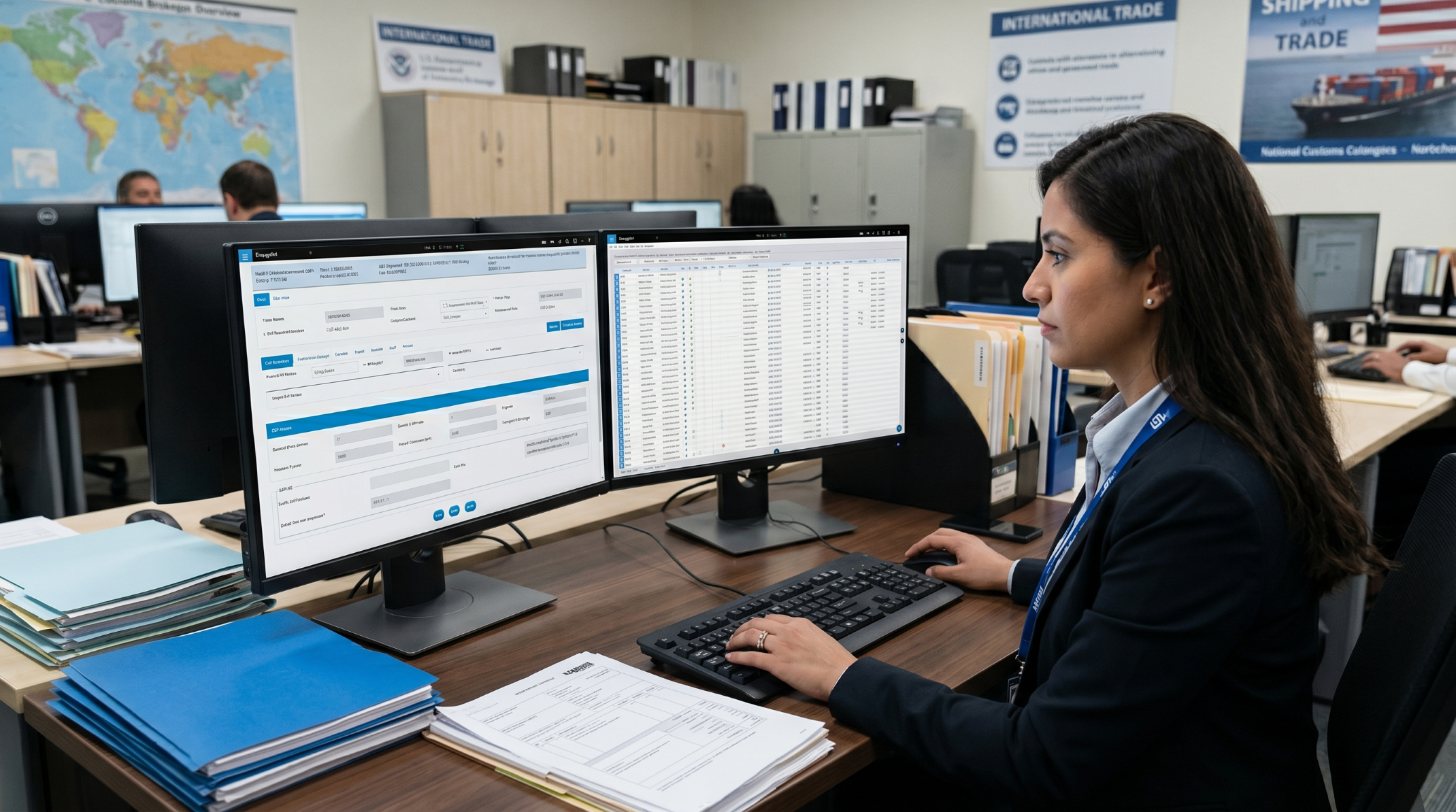
List manual tasks involved in customs entry filing and describe key process steps to initiate a customs broker transaction, including standard importer information and instructions needed.
Understand Customs entry information requirements, the purpose and need for an importer bond, and when to submit a CBP Form 5106 Importer ID Input Record.
The Customs Broker’s Role with Import Transactions and Cargo Movement
Explain the range of customs brokerage services and related fee structures, including factors influencing broker charges, customs bonds, and invoicing practices for delivery, transportation, and terminal services.
Identify key compliance and financial responsibilities of a customs broker, including recordkeeping obligations and circumstances under which a broker may become liable to CBP for duty payment.
Describe transportation coordination responsibilities required to support timely customs clearance, including arrival notices, cargo availability, and communication with importing carriers.
Apply operational workflows for initiating and managing customs clearance transactions from shipment notification through post-entry cargo coordination and on-carriage.
Explain the broker’s role in managing risk and cargo movement, including the purpose of open cargo insurance policies and the steps taken after entry processing to ensure delivery to the importer.