
How to Determine if Material is Classified as Dangerous Goods and Using Classes/Divisions

Course Lessons: 2
Minutes of Learning: 60
Cost: $85

  • Apply a structured decision process to determine whether a material is regulated as dangerous goods, including when to stop/hold a shipment and escalate for expert confirmation.
  • Use the Dangerous Goods List (DGL) to correctly identify and interpret core classification elements—UN number, proper shipping name, hazard class/division, subsidiary risk(s), and packing group.
  • Validate classification when information is incomplete or unclear by using SDS data, manufacturer guidance, N.O.S. entries, and (when needed) competent authority support—without guessing.
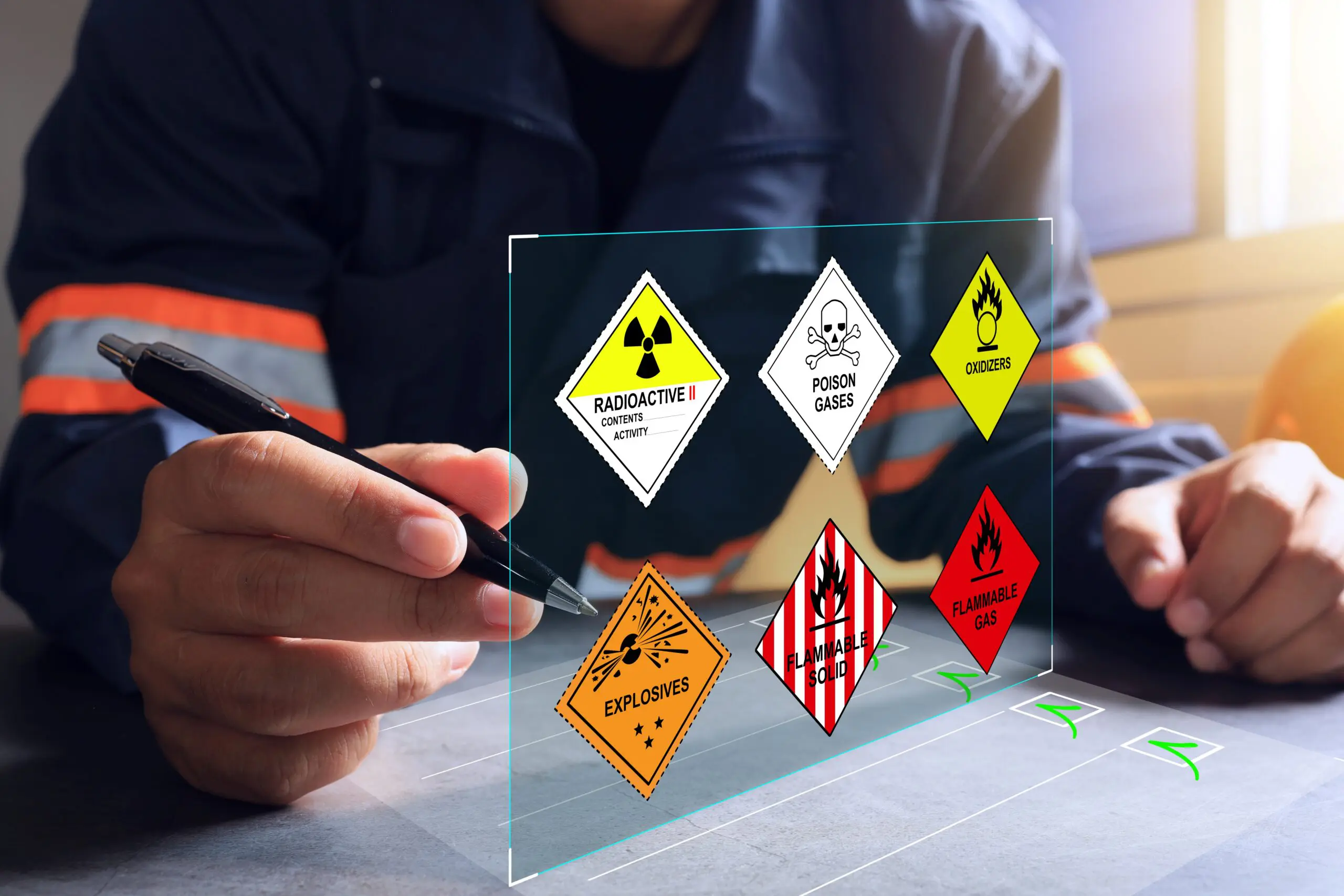
  • Explain the DG hazard communication framework by describing the nine hazard classes, key divisions within major classes, and how packing groups indicate the degree of danger and response/controls.
  • Translate hazard classification into operational compliance actions, anticipating downstream needs such as labeling, segregation/compatibility controls, mode restrictions, and heightened oversight for higher-risk classes (e.g., Class 1 compatibility groups, Class 7 controls, Class 9 special cases).
Buy This Course

Course Overview

This course equips learners with a structured, practical approach to determining whether a material is regulated as dangerous goods, correctly classifying hazards, validating incomplete information, and translating classifications into compliant operational actions across the shipment lifecycle.
